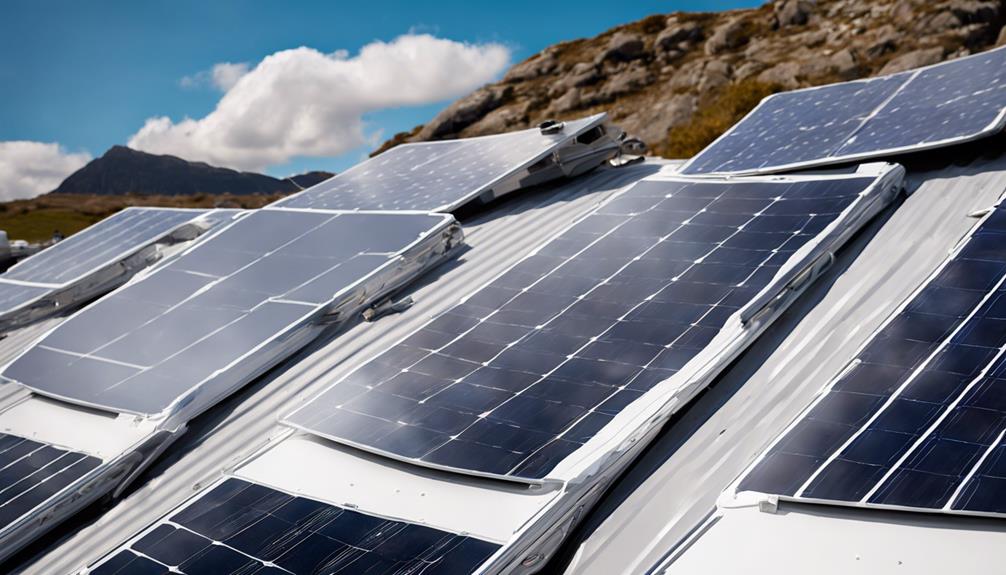
Off-grid solar systems offer a reliable way to generate and store electricity independent of the utility grid. Whether you are outfitting a remote cabin, upgrading a tiny home, or preparing for extended outages, these systems combine photovoltaic panels, battery storage, and power management to deliver clean energy where conventional service is unavailable or undesirable. This article explains how off-grid solar systems work, how to size and plan one for real-life use, and what to expect for installation, maintenance, and costs.
How off-grid solar systems work
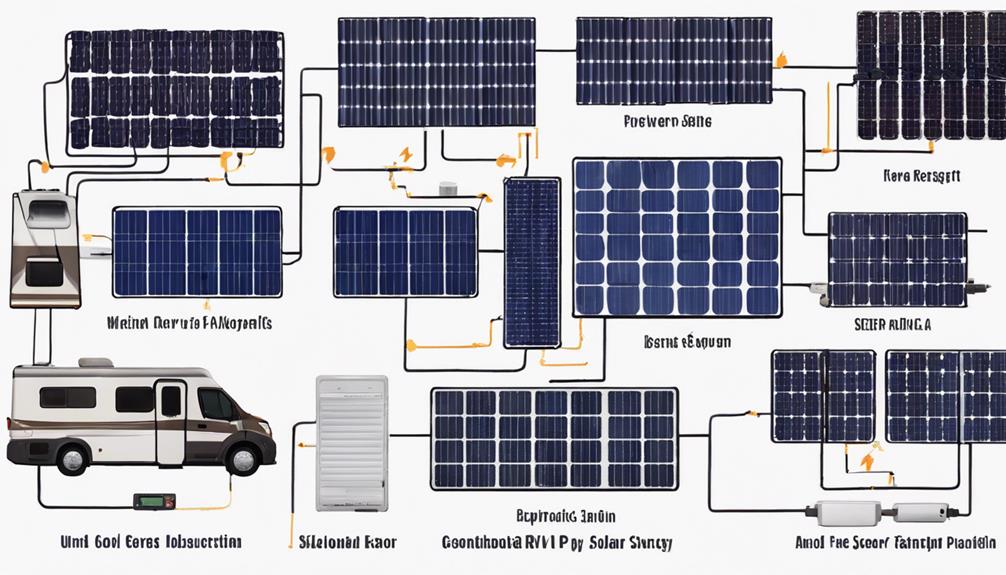
At their core, off-grid solar systems convert sunlight into usable electricity, store surplus energy, and regulate delivery to your appliances. Solar panels generate direct current electricity when exposed to sunlight. That power flows through a charge controller to a battery bank where energy is stored for later use. An inverter converts the stored direct current into alternating current for common household devices. Some setups include a backup generator or hybrid inverter to supplement solar production during extended cloudy periods. A well-designed off grid solar system balances generation, storage, and consumption so you can maintain reliable power without a utility connection.
Key components and design considerations
Designing effective off-grid solar systems requires careful selection of components and attention to site-specific conditions. Panels are rated by wattage and performance under different light levels; higher-efficiency modules save space but cost more. The battery bank—often lithium-ion or advanced lead-acid—determines how long you can run loads without sun. Charge controllers protect batteries from overcharging and can be PWM or MPPT types, with MPPT offering better efficiency. Inverters need to be sized for peak loads and may be pure sine wave models to safely run sensitive electronics. Monitoring systems help you track energy production and battery state of charge. Proper mounting hardware, wiring, and protection devices complete the design to ensure durability and safety in real-world conditions.
Sizing and planning an off grid solar system
Accurate sizing is one of the most important steps when planning off grid solar systems. Start by calculating your average daily energy usage in kilowatt-hours, including lights, appliances, refrigeration, heating or cooling, and charging. Consider seasonal variations—heating loads in winter or longer evenings in higher latitudes require more storage and generation. Decide on the number of autonomy days you want the battery bank to support without solar input; three days is a common baseline for remote cabins and tiny homes. From there, choose battery capacity and solar array size to meet that need, factoring in system inefficiencies and local solar irradiance. It’s also wise to plan for safe margins, future load growth, and any special requirements such as powering well pumps, medical devices, or refrigeration for food storage.
Practical use cases for off-grid solar systems
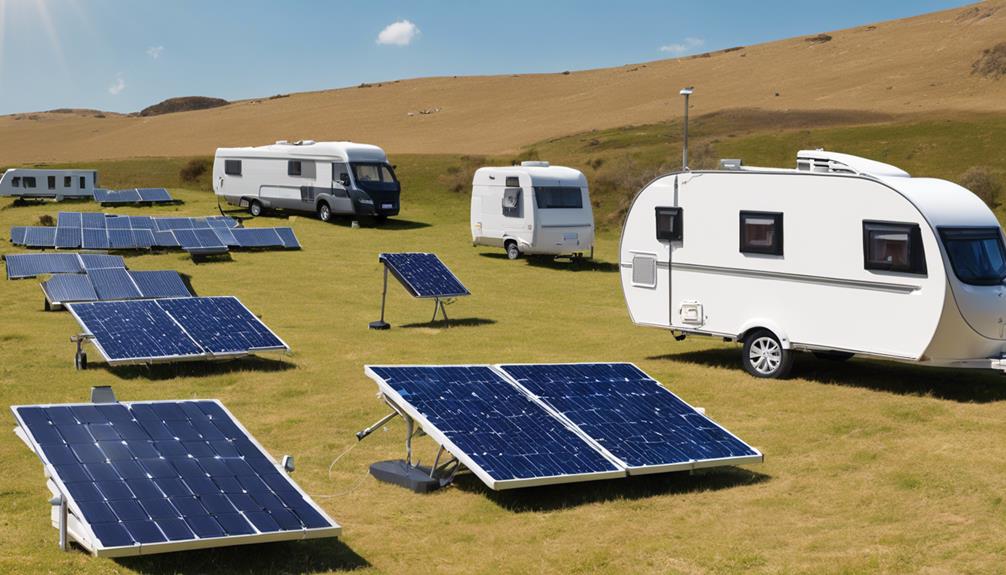
Off-grid solar systems serve a wide range of applications beyond remote living. Recreational vehicles and boats often rely on compact off grid solar systems to extend trips and reduce generator runtime. Agricultural operations use these systems to power pumps, fencing, and remote sensors where grid extension would be costly. Emergency preparedness is another common use case: a home outfitted with an off-grid-capable energy system can keep essential circuits running during prolonged outages. Off-grid setups also support ecotourism lodges, research stations, and tiny home communities that prioritize sustainability and independence. Each application has unique requirements for energy availability, equipment durability, and maintenance access, but the core principles of generation, storage, and load management remain the same.
Installation, maintenance, and cost considerations
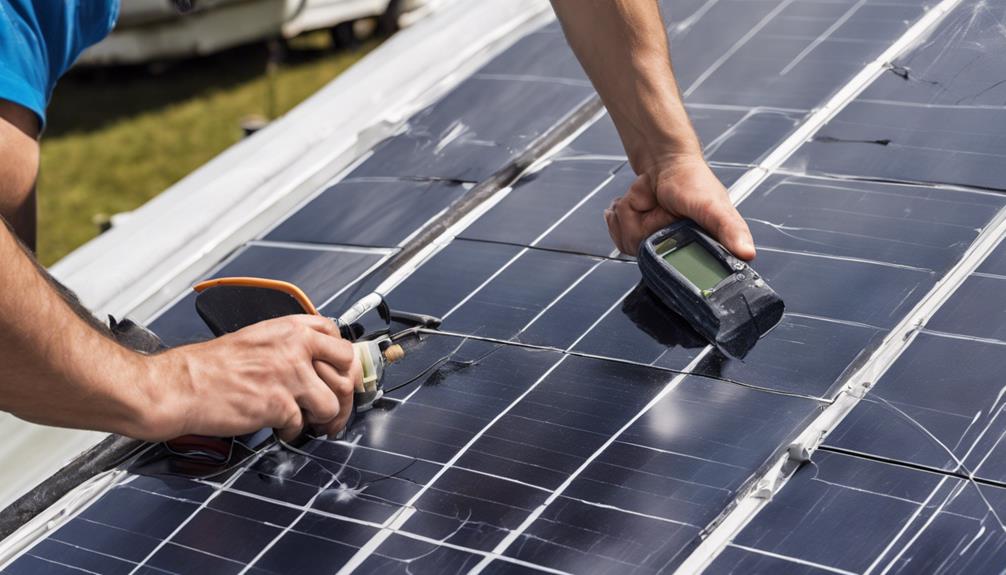
Installing an off-grid solar system can range from a weekend DIY project to a complex professional installation, depending on system size and local regulations. Smaller systems with plug-and-play components may be suitable for experienced homeowners, while larger arrays and high-voltage battery banks usually require certified installers and electricians. Permits and inspections may be necessary, especially for structural roof mounts and battery enclosures. Maintenance requirements include periodic cleaning of panels, inspection of wiring and connections, and monitoring battery health. Battery systems require the most attention—temperature control, state-of-charge management, and timely replacement of degraded modules keep the system reliable. Cost depends on component quality and capacity: small systems for basic lighting and charging can be relatively inexpensive, while fully autonomous homes with large storage may represent a significant investment. That said, many users find that long-term savings on fuel and grid extension, combined with increased resilience and environmental benefits, justify the expense.
Off-grid solar systems deliver energy independence and flexibility for a wide range of situations, from weekend cabins to whole-home solutions. By understanding the core components, taking a methodical approach to sizing, and planning for maintenance and realistic costs, you can design a system that meets your energy needs reliably. Whether your priority is reducing reliance on the grid, enabling remote living, or preparing for emergencies, off-grid solar provides a proven pathway to resilient, clean power.
Related Guides
- Backyard Solar System
- Best Off Grid Power Source
- Grid Pv System
- Mobile Solar Generator
- Off Grid Electrical Power Systems
- Off Grid Generator
- Off Grid Inverter
- Off Grid Solar Calculator
- Off Grid Solar System
- Off Grid Solar System Cost
- Off Grid Solar System Design
- Offgrid Meaning
- Plug In Pv Panels
- Railless Solar Racking
- Selling Back Solar Power To The Grid
- Solar Generator Windmill
- Solar Panels For Small Cabin
- Solar Panels Oregon
- Solar Powered Ac For Rv
- Solar Powered Camping
- Solar Powered Rv
- Solar Uninterruptible Power Supply