Introduction
Flexible photovoltaic modules (often called flexible solar panels in consumer marketing) are lightweight PV modules designed to bend or conform to gentle curves. They trade the traditional glass-and-aluminum frame for thin laminates, polymer layers, or flexible substrates to reduce weight and lower profile. The central trade-off is simple: flexibility and lower weight can make installation and portability much easier, but they may require closer scrutiny for mounting, cooling, durability, and long-term value.
What are flexible solar panels?
Like all PV modules, a flexible photovoltaic module combines multiple solar cells with protective layers and a junction box to produce DC electricity from sunlight. Flexibility comes from several construction approaches: thin-film deposited on a flexible substrate, thinner crystalline-silicon cells bonded to a flexible backing, or hybrid constructions. Examples of cell technologies sometimes used in flexible products include CIGS and emerging organic photovoltaics (OPV), but not all flexible modules use thin-film cells.
Related terms to distinguish:
- Semi-flexible panel: A commercial label that typically accepts only shallow bend radii; check the permitted curvature.
- Portable panel: Describes mobility — may be rigid, folding, or flexible.
- Folding panel: A portable design with hinges; not the same as a bendable flexible module.
How flexible modules differ from rigid framed panels
- Weight: Flexible modules are usually much lighter, useful on vehicle or marine roofs and temporary structures.
- Surface shape: Flexible modules can follow gentle curves; rigid modules need flat surfaces or racks.
- Mounting: Flexible product mounting methods are product-specific (adhesives, rivets, low-profile clamps); framed modules use standardized racking.
- Ventilation & cooling: Flush-mounted flexible modules may have limited airflow; framed modules are often elevated for better cooling.
- Durability: Glass-and-frame designs have a longer track record for rooftop service life; flexible-module longevity depends heavily on laminate materials, adhesives, and installation.
Advantages
- Low weight and low profile — important for RVs, vans, boats, backpacks, and lightweight structures.
- Ability to conform to gently curved roofs or decks without bulky racking.
- Portability and easier deployment for temporary or mobile applications.
- Reduced wind load and visual impact compared with tall framed panels in some installations.
- Potentially attractive watts-per-kilogram for applications where weight matters more than area efficiency.
Limitations and risks
- Heat management: flush mounting can increase operating temperature and affect output depending on the design and ventilation.
- Bending limits: products specify a maximum bend radius — sharp creases, repeated folding, or walking on the surface can damage cells or laminates.
- Environmental durability: polymer encapsulants and backsheets behave differently than glass; watch for UV, moisture, abrasion, and delamination risks.
- Repair and replacement: permanently bonded or adhered modules can be harder to replace than framed panels secured to racks.
- Quality variation: low-cost flexible products may skimp on protective layers, junction-box quality, or certifications.
Where flexible modules make sense
Flexible PV modules often fit these use cases best:
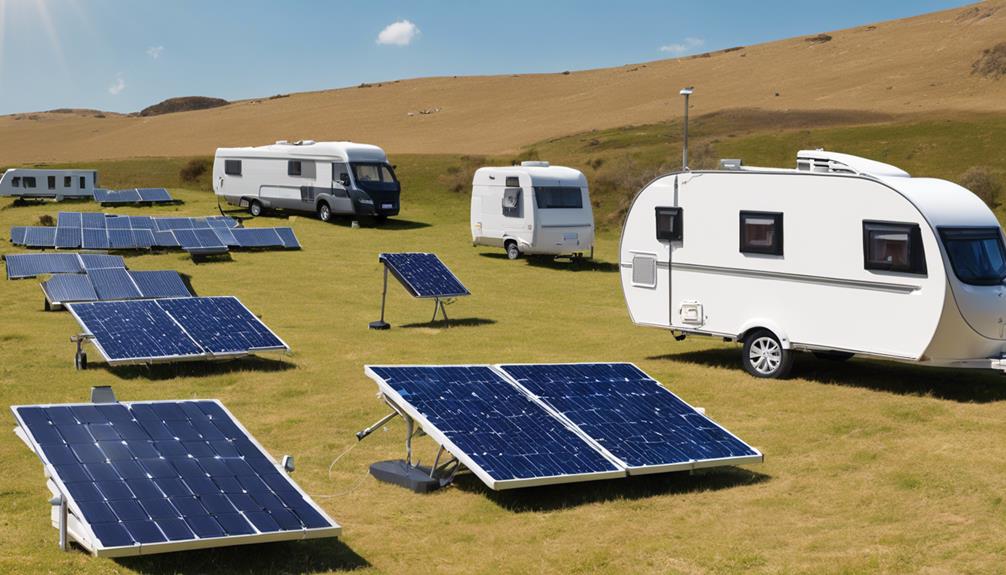
- RVs, camper vans, and vehicles with curved roofs where weight and profile matter.
- Boats and marine decks that require corrosion resistance and lightweight panels.
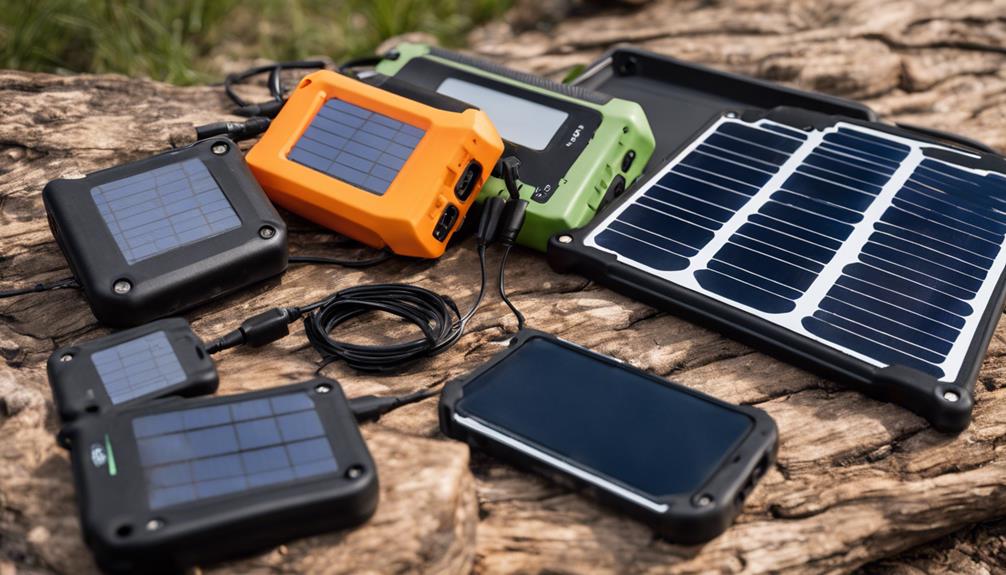
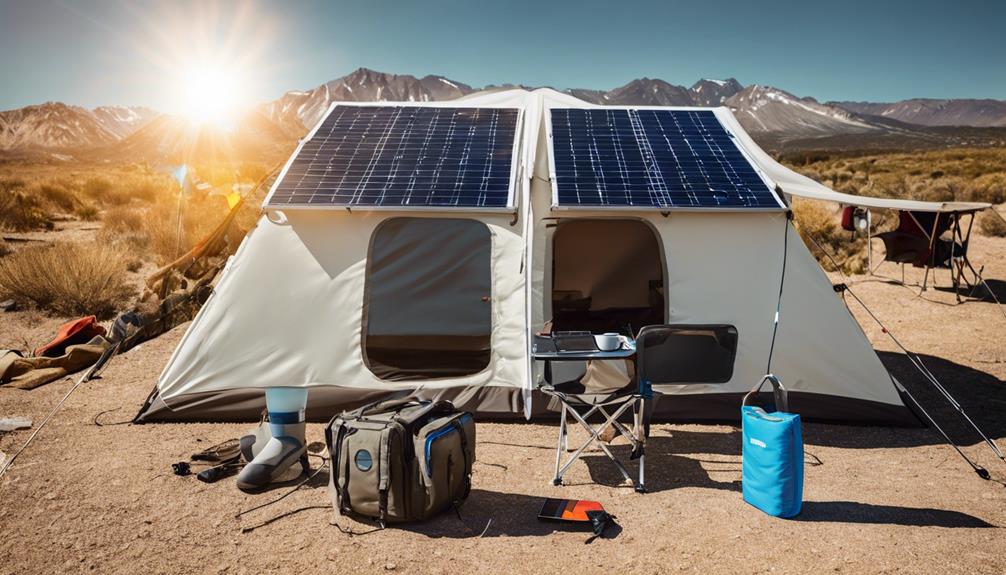
- Camping, backpacks, and temporary shelters where portability is essential.
- Curved or specialty architectural elements where framed modules won’t conform.
- Portable power systems when paired with an appropriate charge controller and battery or an integrated power station.
When rigid panels may be better
- Permanent residential rooftops where conventional racking, proven durability, and ease of maintenance are priorities.
- Installations that need high power per roof area, standardized warranties, and well-understood thermal behavior.
- Situations where local electrical, building, or fire code rules favor certified framed modules and standard mounting systems.
What equipment is needed
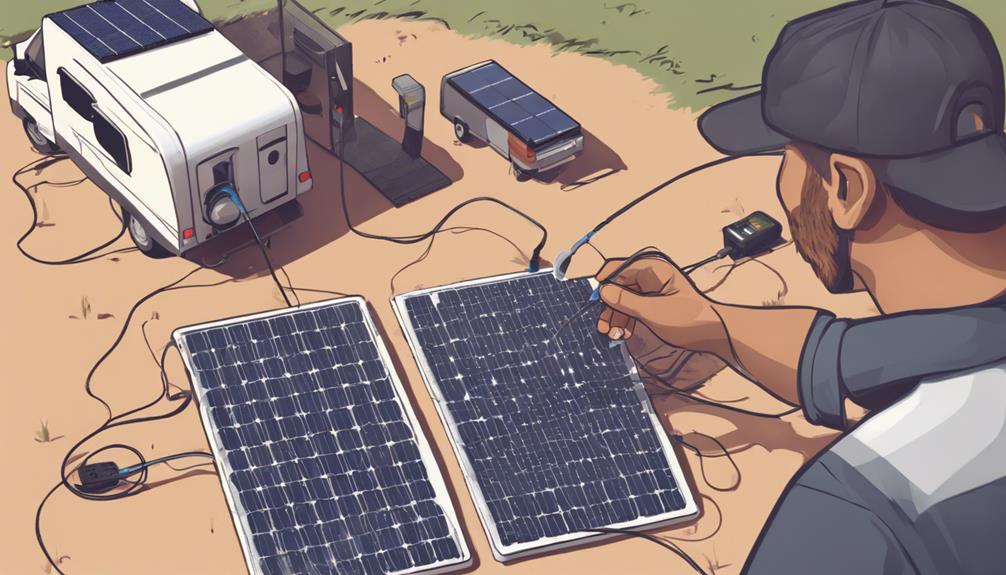
A single flexible module is not a complete electrical system. Typical components include:
- Flexible PV module(s) producing DC output
- Charge controller (MPPT or PWM) when charging batteries
- Battery or battery bank for energy storage (solar-plus-storage) if you need power after sunset or during outages
- Inverter to convert DC to AC if you want to run household appliances (some portable power stations integrate inverter, controller, and battery)
- Proper wiring, fuses or breakers, disconnects, and mounting hardware
Note: grid-tied PV systems usually shut down during grid outages unless the system includes approved battery backup and controls designed for islanding or backup operation.
How to choose a flexible panel — checklist
- Rated power (watts) and operating voltage
- Cell technology and expected efficiency
- Dimensions, weight, and watts-per-kilogram
- Maximum bend radius and permitted mounting curvature
- Recommended mounting methods and attachment points
- Operating-temperature range and ventilation guidance
- Ingress-protection (IP) rating and connector type
- Maximum system voltage and cable length
- Charge-controller and power-station compatibility
- Safety and performance certifications (IEC, UL where applicable)
- Warranty terms, degradation rate, and service/support options
- Replacement policy for permanently bonded installations
- Whether the intended use is temporary/mobile or permanent
- Local electrical, building, and fire-code requirements
Standards and safety checks
Look for product testing and certification: IEC standards (for example, IEC 61215 includes a bending test in its recent edition) and IEC 61730 safety qualifications are relevant in many markets. In the U.S., check for UL 61730 compliance and confirm any jurisdictional requirements. Verify the product’s ingress protection, permitted system voltage, and installation instructions before fitting a module to a roof, vehicle, or boat.
Bottom line
Flexible photovoltaic modules are a practical choice when low weight, a curved surface, portability, or a low-profile installation provides clear value. They are not a universal replacement for framed, glass-backed panels: for many permanent rooftop installations, framed modules still offer advantages in durability, ventilation, and standardized mounting. Evaluate flexible modules as part of the entire system — panel construction, mounting, electrical components, certifications, and warranties — and match the product to the intended use rather than relying on marketing labels alone.