Last updated: June 2026
Who this guide is for
This practical guide helps cabin owners and DIYers decide whether solar makes sense, how to size panels and batteries, what equipment to buy, and what seasonal or safety issues to plan for. It covers grid‑connected vacation cabins, seasonal weekend cabins, and fully off‑grid setups.
Quick decision checklist
- Is the grid available? If yes, a grid‑tied system with battery backup (AC‑coupled or hybrid) is often the simplest.
- Is the cabin used seasonally or year‑round? Seasonal use changes battery care and freeze protection needs.
- Are space‑heating or electric hot‑water loads required? These usually drive system size and cost; consider non‑electric heat (wood, propane, or efficient heat pumps).
- Do you want a plug‑and‑play portable “solar generator” or a permanent custom system? Portable units fit very light loads and occasional use; custom systems are best for reliable off‑grid living.
How solar for a cabin actually works
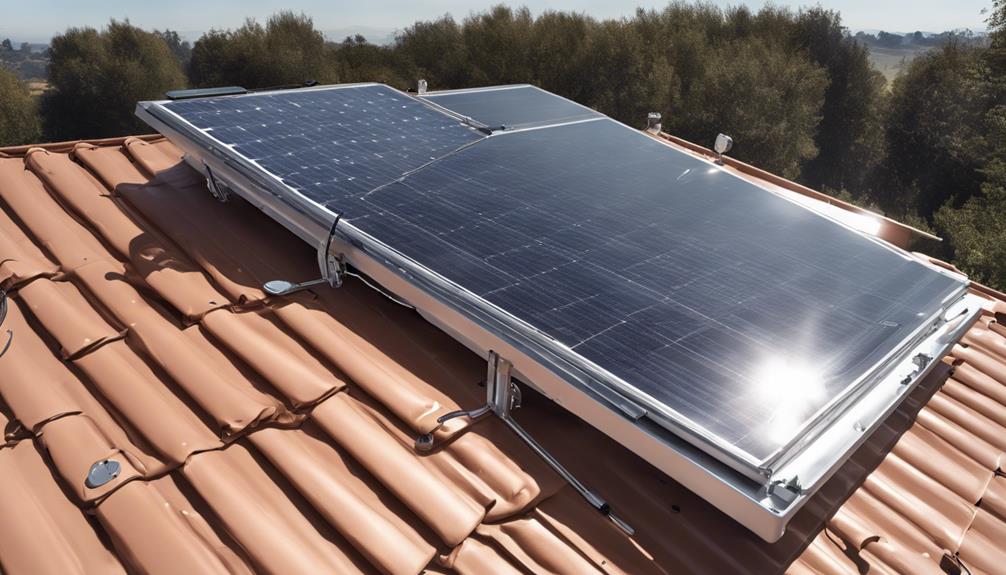
Solar panels (PV modules) convert sunlight to DC electricity but do not store energy — batteries or the grid store energy for use after sundown. An inverter turns DC into 120/240V AC for household loads. For an authoritative overview of PV basics see the U.S. Department of Energy: How Does Solar Work?
Step‑by‑step sizing guide
Start with a measured energy audit: list each appliance, its wattage, and hours used per day to get Wh/day (watt × hours). Prioritize essential loads (fridge, lights, pump, communications).
Formulas and rules of thumb
- Daily energy need (Wh/day) = sum of (watts × hours).
- Battery usable capacity (Wh) = daily need × autonomy days ÷ usable DoD. Example DoD: LiFePO4 80–90% usable; lead‑acid ~50% usable.
- PV array size (W) ≈ (daily need ÷ average sun hours) × system losses factor. Use a losses factor of 1.2–1.5 (shading, wiring, inverter/battery losses).
- Charge controller current (A) ≈ (panel watts ÷ battery voltage) × 1.25 safety margin.
Worked examples
Example 1 — Weekend cabin (very light use)
- Estimated need: 1.5 kWh/day (1500 Wh)
- Battery (1 day autonomy, LiFePO4 at 90% usable): 1500 ÷ 0.9 ≈ 1,667 Wh → choose ~1.8 kWh usable battery.
- PV sizing (assume 4 sun hours/day, losses 1.3): Array ≈ (1500 ÷ 4) × 1.3 ≈ 488 W → round to a 500 W array (two 250 W panels).
- Result: a small portable or wall‑mounted system (500–1000 W panels) with a 1–2 kWh battery is realistic for minimal weekend use.
Example 2 — Year‑round off‑grid cabin
- Estimated need: 8 kWh/day (8000 Wh); autonomy: 2 days.
- Battery (LiFePO4, 90% usable): (8000 × 2) ÷ 0.9 ≈ 17,778 Wh → ~18 kWh usable battery.
- PV sizing (4 sun hours, losses 1.3): Array ≈ (8000 ÷ 4) × 1.3 ≈ 2,600 W → ~2.6 kW array.
- Charge controller example: 2600 W ÷ 48 V × 1.25 ≈ 68 A → pick next standard MPPT rating (e.g., 80 A).
- Result: a multi‑kW PV array, 10–20 kWh battery bank, MPPT controller(s) and a properly sized inverter/charger; often paired with a generator for winter reliability.
Use NREL’s PVWatts to estimate location‑specific kWh per kW before finalizing array size.
System architectures: pros and cons
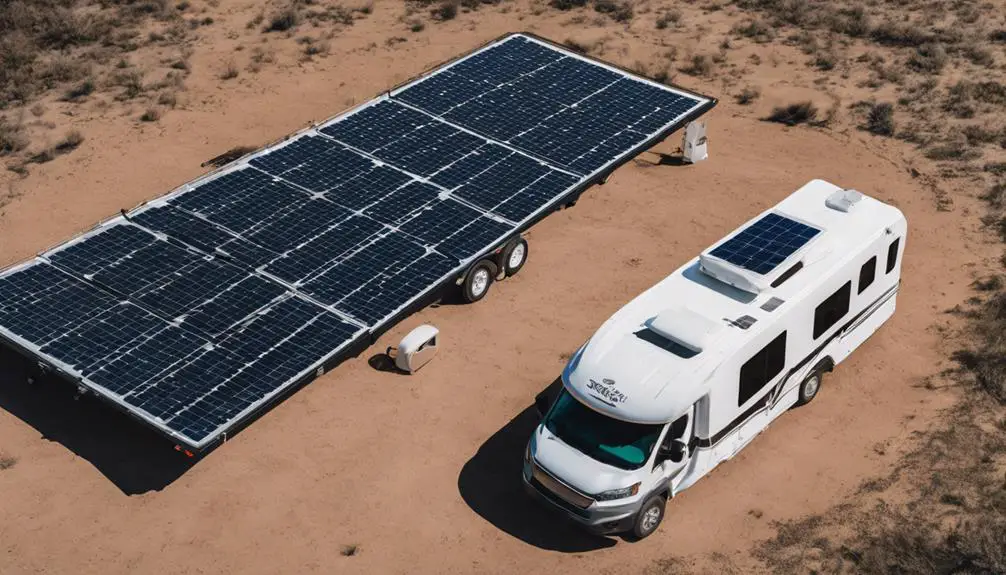
- Portable “solar generator” (all‑in‑one): low skill, quick to deploy, good for lights/phone charging, not ideal for heavy loads.
- DC‑coupled off‑grid (MPPT → battery → inverter): most efficient for full off‑grid systems and common in custom installs.
- AC‑coupled grid‑tied with battery (hybrid): simpler where utility exists; supports net‑metering and backup without reworking PV array wiring.
- Hybrid with generator: common for cold climates and high heating/pump loads — generator provides fuel‑flexible, reliable backup.
Batteries and cold‑weather caveats
LiFePO4 (LFP) is the recommended chemistry for most cabins: high cycle life, high usable DoD, and lighter weight versus lead‑acid. Important caveat: many LFP batteries should not be charged below ~0°C (32°F) unless the pack has a validated low‑temp charging system or built‑in heater — plan placement in a conditioned or insulated enclosure or specify heated packs for seasonal cabins.
Seasonality, snow and cold climates
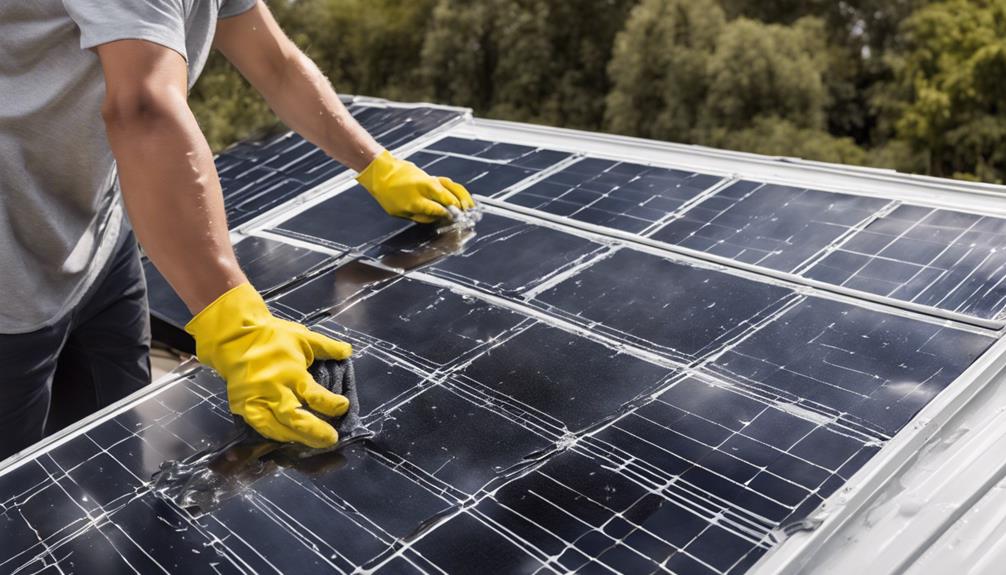
Panels perform better in cool temperatures, but snow coverage reduces output until panels shed or are cleared. Bifacial panels can gain winter yield from reflected snow (high albedo) when mounted and tilted for snow shedding. Plan tilt, mount height and maintenance for your local snow patterns.
Safety, codes and warranties
Battery systems and installations are subject to standards and local code (UL product standards like UL 9540, NFPA 855 and NEC). Larger battery banks often trigger permitting, ventilation and setback requirements — check your local AHJ early. Panels commonly carry ~25‑year performance warranties; inverters and batteries have shorter warranties and will likely need replacement during the system lifetime.
Costs (high‑level ranges, June 2026)
- Portable kits: low hundreds to a few thousand USD (small capacity).
- Small permanent off‑grid cabin (2–5 kWh/day): several thousand to low‑ten‑thousands, depending on labor, mounts, and quality.
- Larger off‑grid systems: tens of thousands once heating, generators, and long runs are required. Always get local installer quotes and update costs before buying.
Quick buyer’s checklist
- Have you done an energy audit (Wh/day) and used PVWatts for site yields?
- Will you choose LFP batteries with a low‑temp charging plan for cold months?
- Is MPPT selected for charge control (except for very tiny kits)?
- Does the installer provide UL/NEC compliance, wiring diagrams, and warranty documentation?
- Do you have a backup plan (generator) for extended low‑sun periods?
If you’d like, I can build a downloadable sizing worksheet or run two PVWatts examples for your cabin ZIP codes and return recommended array sizes and monthly production estimates.
Resources: U.S. DOE (How solar works), NREL PVWatts (production estimator), MPPT vs PWM guides, and UL/NFPA/NEC safety summaries. Always verify local permits and AHJ requirements before purchase/installation.