Introduction: useful technology with trade-offs
This article explains the practical limitations and trade-offs of solar energy, with emphasis on solar photovoltaic (PV) systems — panels or arrays that convert sunlight directly into electricity — and contrasting remarks for concentrating solar‑thermal (CSP) and solar‑plus‑storage designs. It’s not an argument for or against solar; it’s a concise look at where limits matter, how they vary by project type (rooftop, community, utility‑scale), and which trade‑offs are easiest or hardest to manage.
1. Variable generation: sunlight changes
PV output varies with time and weather. Solar modules produce no electricity at night and less during clouds, smoke, snow, or winter months. That changing output is called variable generation: it depends on sunlight and cannot be dispatched like a conventional power plant (EIA, as of 2026).
Consequences include:
- Mismatches between when solar generates and when people need electricity (e.g., evenings).
- Greater need for grid flexibility, demand management, transmission capacity, or energy storage to absorb midday production or cover low‑sun periods.
- Possible curtailment — intentional reduction of available solar output — when generation exceeds demand or grid capacity.
2. Storage and grid integration add cost and complexity
Adding an energy storage system (ESS) or battery energy storage system (BESS) lets some solar electricity be used later, improves resilience, and can provide grid services. But storage increases equipment, installation, maintenance, and lifecycle costs, and it introduces round‑trip energy losses (EIA; DOE). Even with storage, a solar‑plus‑storage array is not identical to a fully dispatchable thermal plant: duration, sizing, and economics matter.
Grid‑scale projects also face interconnection studies, transmission constraints, and operational limits that rooftop systems typically do not. Those grid planning steps can lengthen project timelines and create “queues” for interconnection (IEA, 2026).
3. Upfront and whole‑system costs
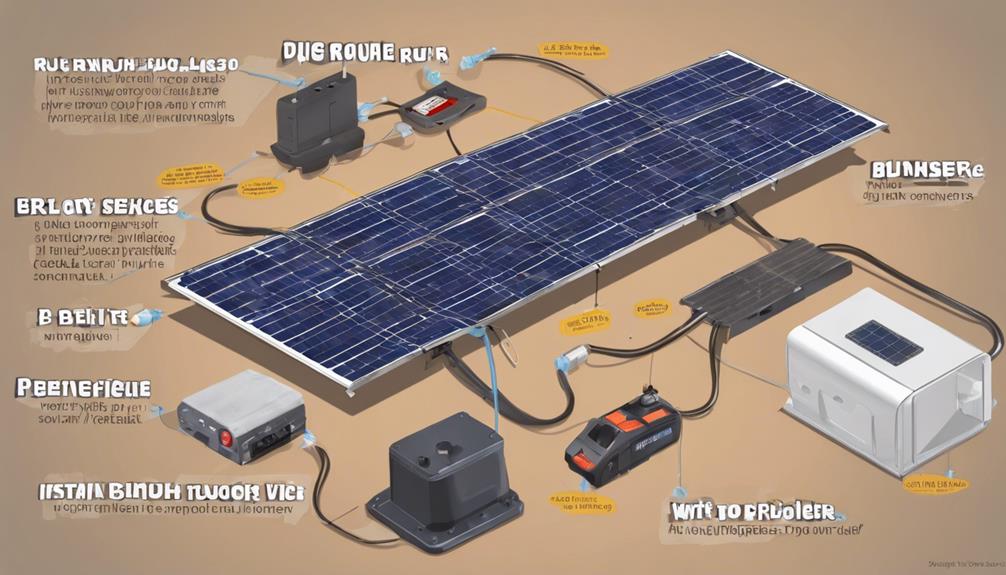
Many buyers focus on module cost, but a complete PV system includes inverters (or microinverters), racking and structural work, electrical upgrades, permitting and interconnection fees, labor, monitoring, and sometimes a battery. Soft costs and financing terms strongly affect whether a system delivers attractive savings for a homeowner or business (DOE PV cost studies).
Outcomes depend on local electricity prices, incentives, export compensation for exported power, roof condition, shading, and whether the system is owned or leased. Avoid expecting uniform payback timelines; payback is case‑specific.
4. Space, siting, and environmental trade‑offs
Utility‑scale, ground‑mounted solar requires land, access roads, fencing, and transmission connections. DOE projections for large‑scale U.S. deployment estimate millions of acres under high‑deployment scenarios (DOE Solar Futures). That projection reflects a U.S. pathway, not a universal requirement for every region.
Potential local concerns include habitat conversion or fragmentation, impacts to agriculture or cultural resources, visual and community opposition, and changes in vegetation, soil, or drainage. Siting alternatives — rooftop, parking canopies, brownfields, floating solar, and agrivoltaics — can reduce some land‑use conflicts but are not feasible everywhere (DOE).
5. Manufacturing, supply chains, and lifecycle impacts
PV modules and system components require glass, aluminum, silicon or other semiconductors, rare or industrial minerals, and energy to manufacture and transport. Solar systems produce low operational emissions, but lifecycle impacts (manufacturing, transport, installation, maintenance, and end‑of‑life) exist and vary by technology (NREL; DOE).
Concentrations in global supply chains and the mining of certain critical materials can create price or availability risk for manufacturers and project developers (IEA).
6. Durability, maintenance, and performance decline
Modules generally continue producing for decades but degrade over time. DOE guidance indicates typical PV lifetimes around 25–35 years, with modules often producing more than 80% of original output after ~25 years (DOE). Other components—especially inverters, wiring, racking, and batteries—can need attention sooner. Soiling (dust, pollen, snow), shading, hail, wildfire smoke, and roof condition can reduce performance and raise maintenance needs.
7. End‑of‑life management and recycling
Retired or damaged PV modules create a growing stream of materials that require management. Some panels contain metals such as lead or cadmium and can test as hazardous waste under specific regulations, while many do not (EPA). Recycling technologies exist and recover glass and aluminum, but in the U.S. recycling costs have generally been higher than landfill disposal to date; end‑of‑life infrastructure and rules vary by state and market (DOE; EPA).
8. How drawbacks can be reduced — but not always eliminated
- Thoughtful siting and use of rooftops, brownfields, or agrivoltaics to reduce land conflicts.
- Careful system design to minimize shading, right‑size inverters and storage, and plan for component replacement.
- Grid planning, demand response, and transmission upgrades to reduce curtailment and integration delays.
- Policy and market measures to support recycling, reuse, and responsible supply chains.
These strategies can mitigate many downsides, but they add cost, complexity, or both and are not guaranteed on every project.
Conclusion: context matters
Solar PV and CSP deliver real benefits — clean generation during operation and falling costs in many markets — but they also bring technical, economic, environmental, and logistical trade‑offs. Whether solar is the right choice depends on location, project scale, grid context, financing, and priorities for resilience and environmental protection. Compare solar to realistic alternatives and consider lifecycle impacts, grid integration needs, and end‑of‑life plans rather than relying on simplified claims about perfection or total harm.