A regular solar panel check is one of the easiest and most effective ways to protect your investment in residential solar panels. Routine inspections and simple output tests help you spot performance drops, identify safety issues, and keep your system producing near its best. This article walks through practical, homeowner-friendly methods for checking solar output, diagnosing common problems, and deciding when to call a professional.
Why a solar panel check matters for residential systems
Residential solar panels are exposed to weather, dust, tree shading, and roof movement, all of which can reduce energy production over time. A basic solar panel check helps you know whether your array is generating the energy expected for its size and location. Catching small problems early—loose connections, soiling, or a failing inverter—can prevent larger repairs and maintain system warranties. For homeowners interested in long-term savings, occasional performance checks are an essential part of system care.
Visual inspection and safety precautions
Begin any check with a visual inspection. From the ground or a safe vantage point, look for cracked or discolored panels, loose mounting hardware, damaged wiring, and evidence of water ingress around roof penetrations. Also check the inverter display for warning lights or fault codes. Safety matters: never touch live electrical components, avoid walking on fragile roofs, and shut down the system using the inverter’s isolation switch only if you understand the procedure. If you are unsure, wait for a trained technician to perform close-up checks.
How to check solar panel output with simple home tools
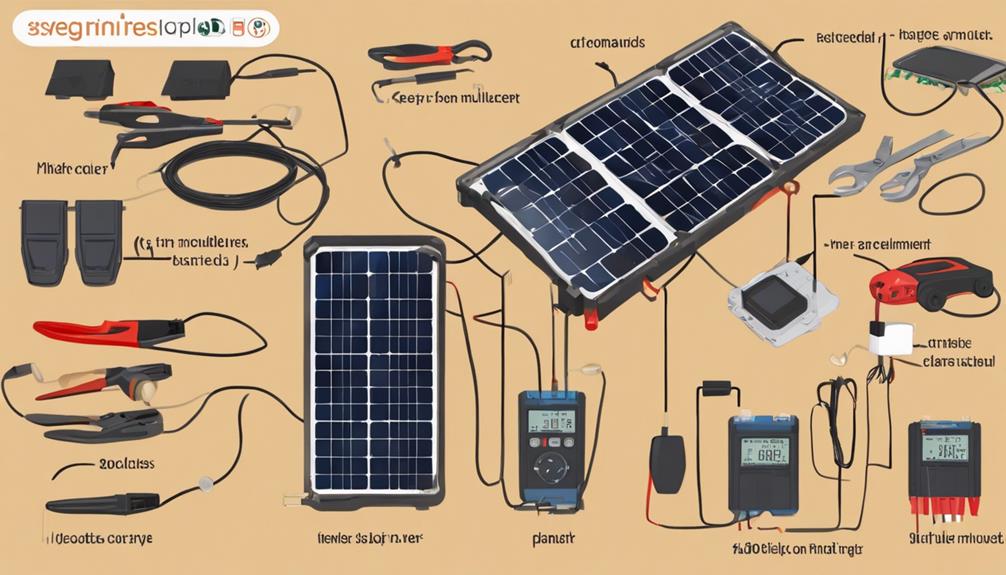
Homeowners can perform useful output checks without specialized equipment. Start by checking the inverter or monitoring app: modern inverters show current production in watts and historical daily output, making it easy to see sudden dips. To measure panel-level output, a basic multimeter can verify open-circuit voltage and short-circuit current under bright sun. For a quick check, compare today’s energy production to historical averages for similar weather and season. If production is substantially lower than expected on a clear day, that warrants further testing.
Measuring voltage and current
When using a multimeter, measure open-circuit voltage (Voc) across the panel terminals with the array disconnected from the inverter and covered to avoid arc hazards. Voc will be higher than operating voltage and depends on temperature. Measuring short-circuit current (Isc) requires caution and only brief contact; Isc gives a direct sense of whether the panel is generating current under sunlight. These checks help you detect a dead panel or broken string but are not substitutes for more thorough performance testing.
How to test solar panel output for accurate performance assessment
For a more reliable test of how much energy your panels can deliver, measure the system under load using either the inverter’s production data or a clamp meter on the DC or AC conductors. The inverter’s measured AC output, combined with the known inverter efficiency, provides a practical picture of delivered energy. Professional tools such as an IV curve tracer can compare the panel’s current-voltage characteristics against factory specifications to identify cell degradation, shading effects, or internal damage.
When testing, account for environmental factors: solar irradiance, panel temperature, and shading all affect output. Performance is often normalized to standard test conditions on datasheets, so technicians use irradiance meters and temperature sensors to make accurate comparisons. If your system includes microinverters or power optimizers, panel-level monitoring will show which module is underperforming without disconnecting the string.
Common issues revealed by a solar panel check and how to fix them
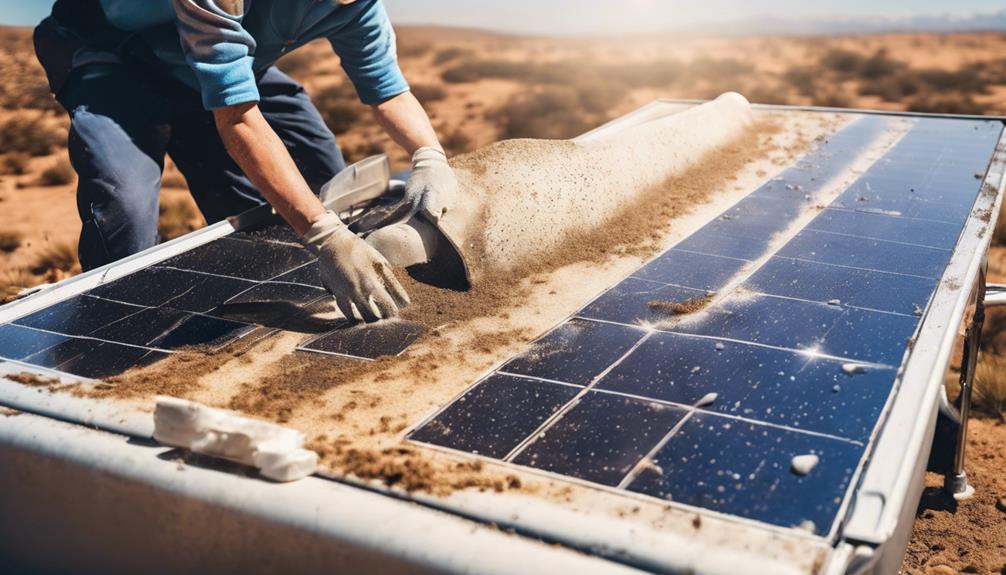
Many common problems are identifiable with a targeted solar panel check. Soiling from dust, pollen, bird droppings, or leaves can significantly reduce output; a gentle wash or scheduled cleaning can restore production. Shading from tree growth or new construction can degrade output nonlinearly and may require trimming or panel relocation. Electrical issues—loose connectors, blown fuses, or corroded junction boxes—often lead to reduced string current and should be handled by a qualified electrician. Less common but more serious problems include microcracks in cells and potential-induced degradation, which are typically diagnosed by professionals using IV testing or thermal imaging.
When to call a professional and routine maintenance tips
If your solar panel check reveals abnormal voltages, persistent inverter faults, hot spots on panels, or consistent underperformance that cannot be explained by weather, contact a certified solar technician. Professionals have the tools for in-depth diagnostics and can safely work on DC components and rooftop arrays. Routine maintenance for residential solar panels includes annual inspections, periodic cleaning where needed, keeping the area free from shading, and monitoring daily energy production. Keeping records of production will help you and your installer spot trends and take timely action.
Performing a regular solar panel check helps you confirm that your residential solar panels are working as intended and protects long-term returns on your system. Use simple monitoring tools and safe visual inspections for frequent checks, and rely on professional testing for precise diagnostics. With consistent care and timely troubleshooting, your rooftop array can deliver dependable clean energy for many years.