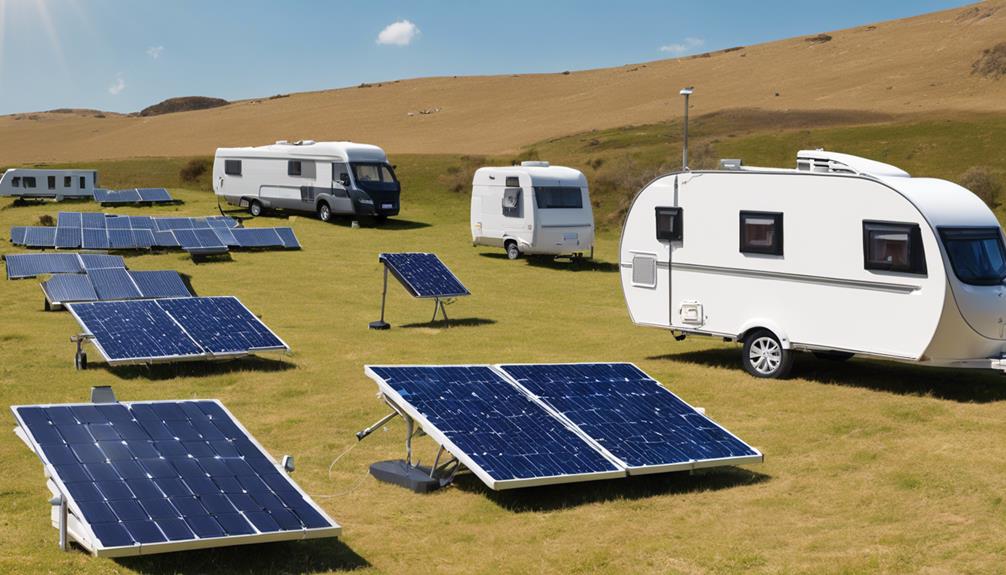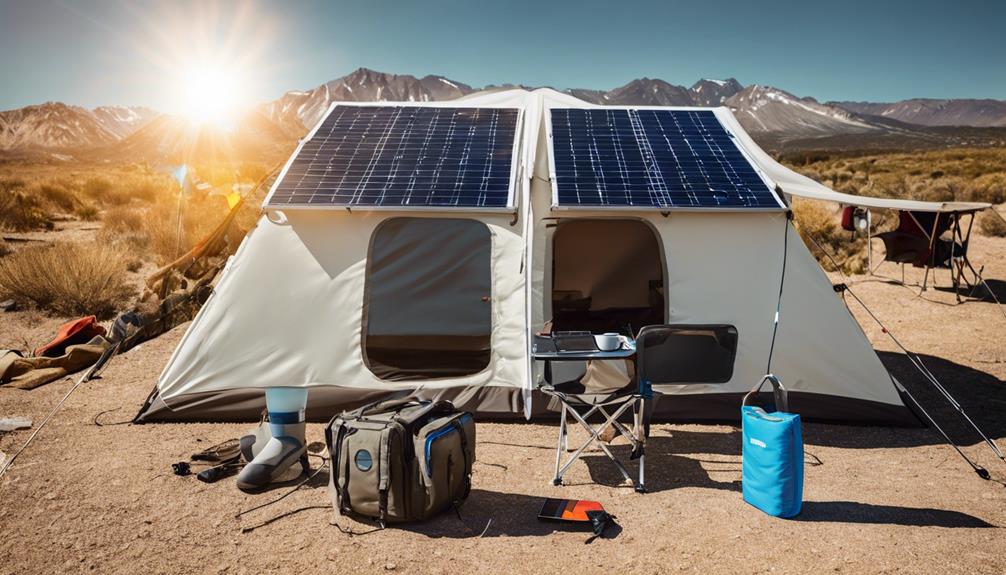
“Solar system kit” can mean different things: a small portable package for camping or a full set of components intended to power a building. (If you meant the astronomical solar system, this article is not about planets and orbits.) This guide explains what a solar system kit typically includes, the main kit types, how they work, installation and permitting considerations, and practical checks to decide which kit fits your use case.
What a solar system kit usually includes
Kits differ widely in scope. Typical items you may find in a solar panel kit or solar PV system kit include:
- Solar panels (modules)
- An inverter or inverter/charger (string inverter, microinverters, or hybrid inverter)
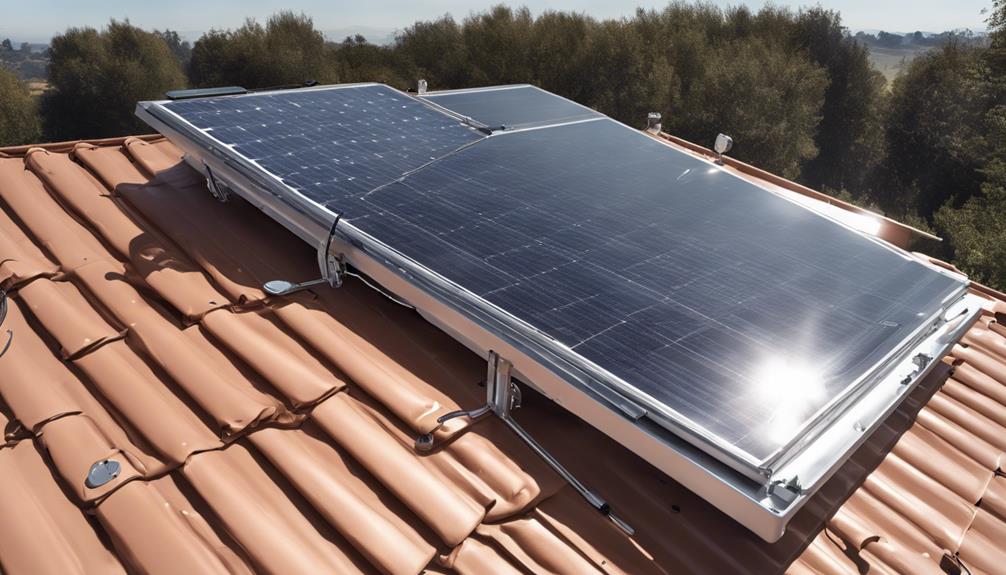
- Mounting hardware for roofs or ground racks
- Wiring, connectors, disconnects, grounding hardware, and overcurrent protection
- Charge controller (common on off-grid and low-voltage kits)
- Battery storage, if it’s a solar-plus-storage kit
- Monitoring equipment and documentation
What may be excluded: certain permit paperwork, specialized structural hardware, conduit and final electrical connections, inspections, or labor. Always check the manufacturer’s parts list against local code and utility requirements.
Types of solar kits
Choose a kit type based on where and how you plan to use it:
- Portable solar kits: Lightweight panels and a charge controller or USB/AC outputs for camping, charging small electronics, or pairing with portable power stations. Not a substitute for home energy.
- Off-grid kits: Designed for cabins, sheds, remote homes, RVs, or boats. Typically include batteries, charge controllers, and an inverter sized to the site’s needs. Off-grid systems require careful sizing and load management.
- Grid-tied kits: Intended to work with an existing utility connection. They may omit batteries and require an approved inverter and interconnection with the utility.
- Solar-plus-storage kits: Combine PV with batteries and controls to shift usage, reduce peak grid demand, or provide backup for selected circuits. Battery capacity, inverter output, and control logic determine backup capability.
How solar kits work (brief)
Solar panels produce direct current (DC). An inverter converts DC to alternating current (AC) for household loads. If batteries are present, a charge controller and inverter/charger regulate charging and discharge. For grid-tied systems, an interconnection arrangement allows export or import of electricity where permitted by the utility.
Choosing the right kit
Key steps to select a kit that fits your application:
- Define the loads you want to serve and estimate daily energy use in kilowatt-hours (kWh).
- Determine peak power needs in kilowatts (kW) for appliances that run simultaneously.
- Assess available sun, orientation, roof condition, shading, and local climate.
- Decide if backup during outages is required—this affects battery and inverter choices.
- Check your electrical-panel capacity, roof structural condition, and available mounting area.
- Confirm permitting, inspection, and utility interconnection requirements for your jurisdiction.
Grid-tied vs. off-grid—short comparison
- Utility connection: Grid-tied requires it; off-grid does not.
- Batteries: Optional for grid-tied; usually essential for off-grid.
- Outage operation: Grid-tied systems typically don’t power the home during outages without dedicated backup equipment; off-grid systems are designed for independent operation.
- Design complexity: Off-grid and battery-backed systems are more complex to size and manage.
- Typical uses: Grid-tied for homes with utility access; off-grid for remote sites or where independence is required.
Do you need a battery?
Batteries provide energy capacity measured in kWh and inverter output measured in kW. Use batteries for energy shifting (store daytime solar for evening use) or for outage backup. Battery size depends on which loads you want to run and for how long—designs vary from short-duration backup for critical circuits to multi-day autonomy for off-grid living.
Installation, permits, and safety
Small, low-voltage portable kits are often appropriate for DIY assembly. Roof-mounted, high-voltage, and grid-connected installations involve electrical-code compliance, permits, inspections, and utility interconnection. Many areas require licensed installers for grid-tied systems. Safety note: roof work, high-voltage wiring, and battery handling present fall, shock, and chemical hazards—use qualified professionals when appropriate.
Costs, financing, and incentives
Separate equipment price from total installed cost, which can include structural work, wiring, permits, and labor. Financing options exist, but terms vary. Important: the federal Residential Clean Energy Credit is unavailable for qualifying residential clean-energy expenditures after December 31, 2025, under current IRS guidance. State, local, and utility incentives may still apply—verify current programs before purchase.
Solar kit buying checklist
- System type and intended loads
- Rated panel output and expected annual energy production
- Inverter type and continuous power rating (kW)
- Battery usable capacity (kWh) and round-trip efficiency, if included
- Mounting compatibility and structural requirements
- Included vs. excluded components and installation services
- Certifications, warranties, and code compliance
- Installer qualifications or DIY limitations
- Permit and interconnection support
Red flags to avoid
- Promises of “free solar” or guaranteed elimination of electric bills.
- High-pressure sales tactics or demands to sign immediately.
- Unclear financing terms, missing warranty details, or no plan for permits and interconnection.
- Vague claims about tax credits—verify current rules and dates.
Conclusion
A solar system kit can simplify sourcing components, but kits vary from simple portable chargers to complex PV-plus-storage systems that require professional design and permitting. Match the kit to the loads, site conditions, and local rules, and confirm what is included before buying. When in doubt about roof work, electrical connections, or utility interconnection, consult a licensed installer or authority—this isn’t just about hardware, it’s about safety and compliance.