Solar powered things have moved from niche gadgets to practical staples for homeowners, travelers, and businesses looking to cut energy bills and reduce carbon footprints. Whether you are exploring solar devices for backyard lighting or shopping for complete solar kits & systems to run an off-grid cabin, understanding the range of solar powered products and how they fit into real-life use cases helps you choose wisely. This article walks through common solar powered gadgets, what full systems include, and how to pick and maintain solar stuff that meets your needs.
Why solar powered things are gaining popularity
People turn to solar powered products for a mix of environmental and financial reasons. Solar devices offer renewable energy without ongoing fuel costs, and many solar gadgets boast eco friendly designs that appeal to eco-conscious consumers. Advances in panel efficiency, battery storage, and charge controllers have also made solar powered gadgets more reliable and capable. At the same time, incentives and falling prices for solar components make investing in solar powered stuff more accessible, whether you need a portable solar charger for weekend camping or a complete solar system to power a small home appliance load.
Common types of solar powered products and devices
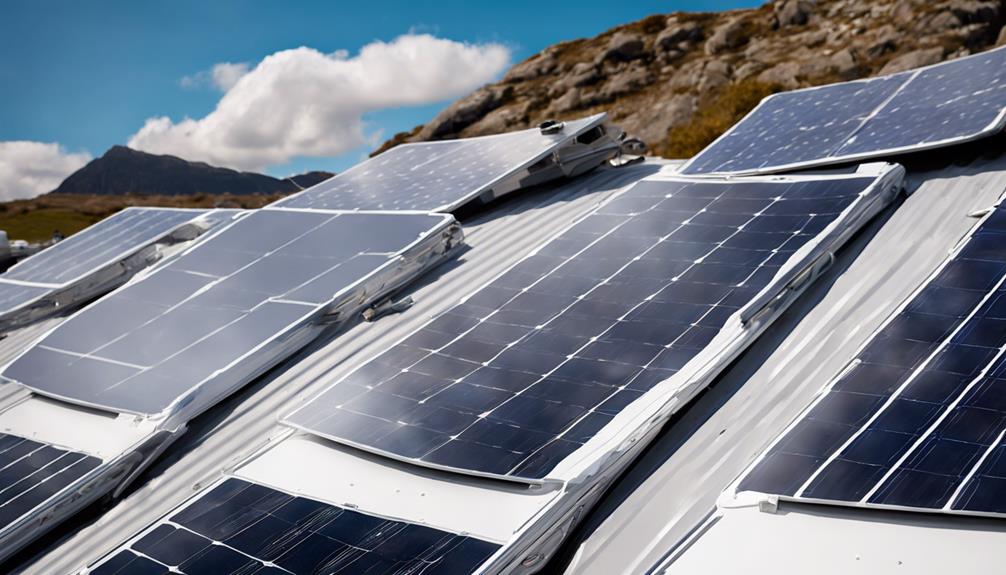
The market for solar gadgets covers a broad spectrum. Portable solar chargers and panels power phones, laptops, and small electronics for campers and travelers. Solar lights and garden lanterns provide low-cost, maintenance-free outdoor illumination. Larger solar powered devices include rooftop photovoltaic panels paired with inverters and batteries that feed household circuits. There are also specialized solar powered gadgets like water pumps for irrigation, off-grid refrigeration systems, and solar-powered security cameras. These products of solar energy vary in size and complexity but all convert sunlight into usable electricity in ways that suit different lifestyles and budgets.
Complete solar kits and systems: what to expect
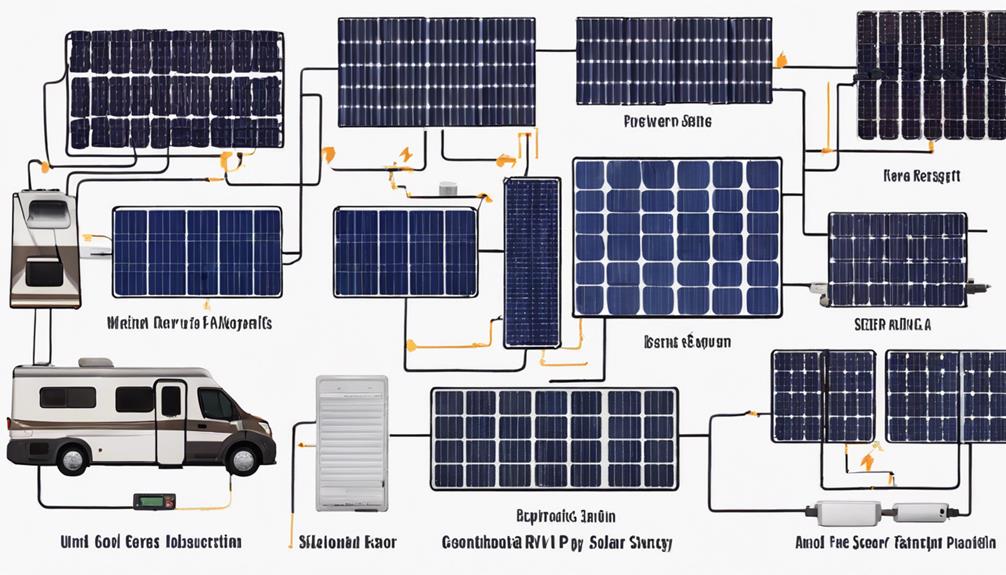
Complete solar kits & systems simplify the decision-making process by bundling compatible components into one package. A typical kit includes solar panels, a mounting system, a charge controller (often MPPT for efficiency), a battery or battery bank, and an inverter if AC power is required. Higher-tier kits may also include monitoring hardware, wiring, and a combiner box. For those who prefer plug-and-play, pre-wired kits reduce installation errors and ensure that solar gadgets and storage work together safely. Choosing a kit sized to your loads—considering daytime generation, battery autonomy, and peak demand—helps you avoid overpaying for components you do not need or underpowering critical devices.
How to choose solar powered gadgets and kits for your needs
Selecting the right solar devices starts with assessing your energy goals. If you want to power emergency lights and phone chargers, small solar gadgets and portable panels are sufficient. For sustained off-grid living or to run home security systems and kitchen appliances, focus on complete solar kits with adequate battery capacity and a reliable inverter. Consider factors like panel wattage, battery type (lithium versus lead-acid), charge controller type, and the reputation of solar powered products manufacturers. Location matters too: roof orientation, shading, and average sunlight hours determine how much energy your solar devices will produce. Finally, look for warranties and certification to ensure the solar stuff you buy is durable and safe.
Practical use cases for solar powered stuff
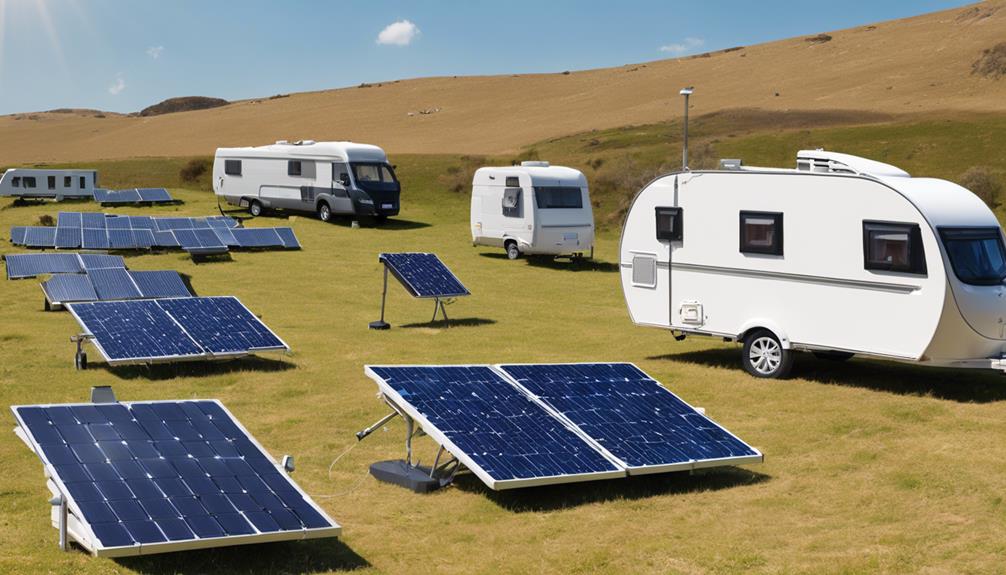
Solar powered things fit many practical scenarios. Campers and overlanders rely on compact solar gadgets to recharge devices and run small fridges, extending time off-grid. Homeowners use garden lights and solar security cameras to improve safety without wiring costs. Small businesses and remote operations deploy solar devices to power signage, sensors, and water pumps where utility power is unavailable. Complete kits & systems are especially useful for tiny homes, cabins, and emergency backup setups because they combine generation and storage to maintain essential services during outages. Across these use cases, solar products of solar energy provide predictable, low-maintenance power when matched to realistic energy needs.
Installation, maintenance, and long-term considerations
Installing solar powered products varies from simple to complex. Plug-and-play solar gadgets often require no professional help, while full systems with grid-tie or battery backup usually need certified installers to meet local codes. Regular maintenance extends the life of solar devices: keep panels clean, check battery health annually, and ensure connections and mounts remain secure. Over the long term, consider component lifespans and upgrade options—batteries typically wear faster than panels, and adding panels or battery capacity later is a common path as energy needs change. Planning for scalability ensures your investment in solar powered things remains useful as technology and household requirements evolve.
Solar powered things are now practical across a wide range of applications, from simple solar gadgets to comprehensive complete solar kits & systems. By understanding the types of solar devices available, how systems are sized, and what maintenance they need, you can choose solar stuff that delivers reliable, eco-friendly power for years. Whether you seek a single solar powered product or a full system, aligning the kit to your lifestyle and energy goals will maximize value and sustainability.