Investing in home improvements that add value is about more than fresh paint or a new fence. Today, energy efficiency and sustainability are high on buyers’ checklists, and upgrades that lower utility bills and improve comfort often deliver some of the best returns. Whether you plan to sell in a few years or want to increase your everyday comfort and long-term property value, focusing on energy-efficient improvements can boost curb appeal, reduce operating costs, and improve appraisal outcomes.
Why energy efficiency matters for resale value
Buyers are more informed about operating costs than ever before. Homes with efficient heating and cooling systems, well-insulated envelopes, and modern windows typically appraise higher because they promise lower monthly expenses. Making targeted home upgrades that add value—especially those tied to energy performance—can make your listing stand out. Real estate agents often cite energy-efficient improvements as key home updates that add value, and appraisers may consider documented reductions in energy consumption when determining what adds the most value to a home.
Top energy-efficient upgrades with the highest ROI
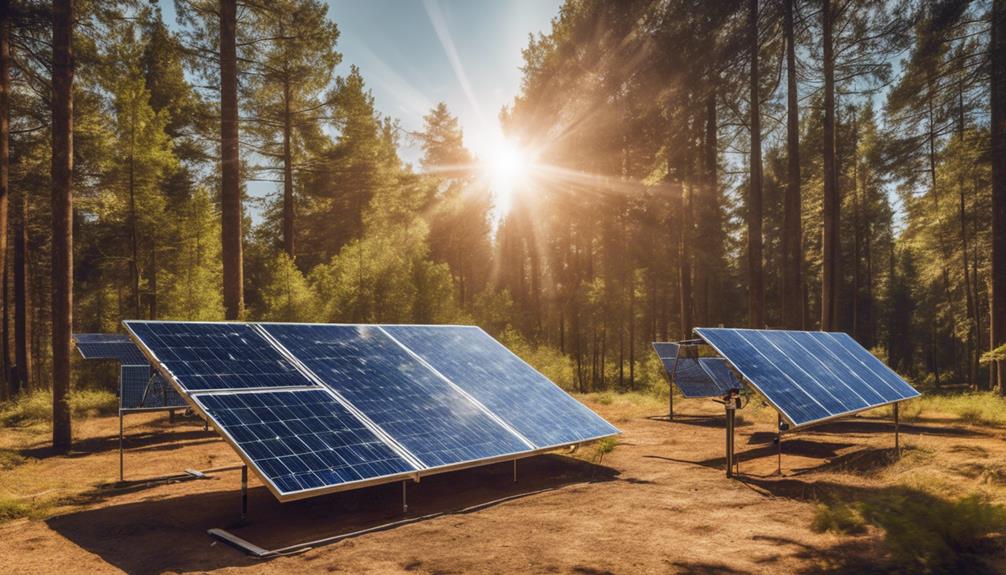
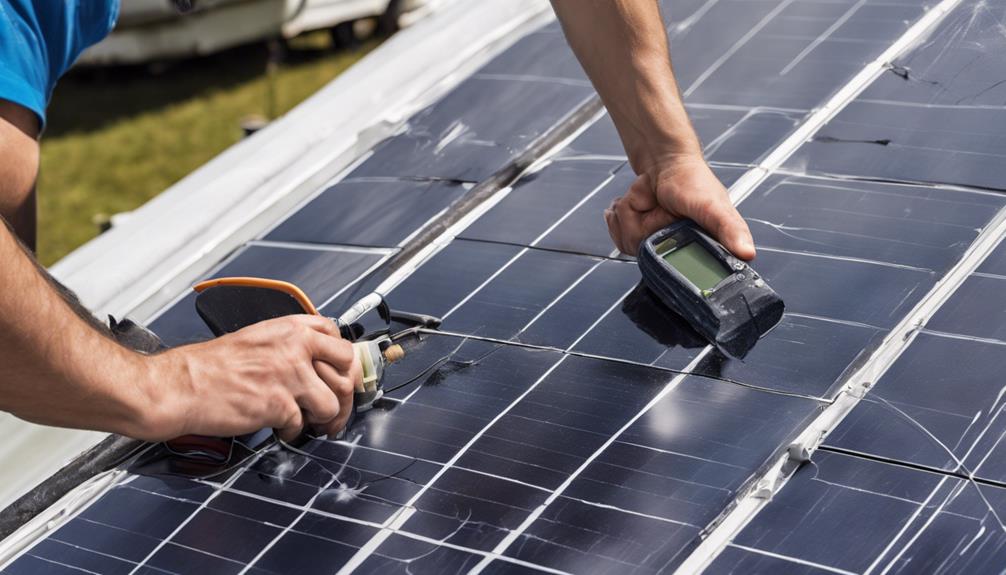
Some of the best home improvements to increase value are those that deliver both immediate appeal and measurable savings. Replacing an old HVAC system with a high-efficiency heat pump or ENERGY STAR rated furnace can be a best improvement for home valuation because it dramatically lowers heating and cooling costs. Upgrading insulation and air sealing in attics, basements, and crawlspaces is another cost-effective investment; these home improvements that increase value improve comfort and reduce energy waste. High-performance windows and doors improve thermal comfort and soundproofing, and while more expensive, they are often among the highest ROI home improvements when combined with other envelope upgrades. Solar panels have risen as a top contender for how to increase property value, particularly in markets where energy costs are high and incentives are available.
Practical steps to improve energy performance
Start with an energy audit to identify where your home loses the most energy. A professional audit or a self-directed walk-through will highlight air leaks, inadequate insulation, and inefficient equipment. From there, prioritize projects that address the biggest losses: air sealing and insulation first, then HVAC upgrades, and finally appliance and lighting improvements. Swapping out incandescent bulbs for LEDs, replacing aging water heaters with heat pump models, and installing a smart thermostat are practical home upgrades that add value without major construction. Documenting these changes with receipts, efficiency ratings, and audit reports helps when answering buyer questions and when an appraiser evaluates what raises the value of a house.
Affordable updates that increase home value
You don’t need a six-figure renovation to improve house value. There are several cheap upgrades to increase home value that yield solid returns. Professional air sealing around windows, doors, and recessed lighting can be inexpensive and significantly lower drafts. Upgrading to ENERGY STAR appliances can be scheduled over time to spread costs while gradually improving efficiency. Minor improvements like replacing old door seals, installing low-flow fixtures to reduce hot water demand, and adding programmable thermostats are accessible ways to increase house value with minimal disruption. These small but strategic upgrades are often mentioned in lists of what renovations add value to a home because they improve the buyer experience and reduce immediate expenses.
Preparing your home for appraisal and buyers
When you’ve completed energy-related upgrades, prepare documentation and highlight the improvements in your listing and during showings. Provide receipts, efficiency labels, and any certifications from contractors or ENERGY STAR. If you invested in solar or a new HVAC system, include details on warranties, maintenance histories, and expected savings. Appraisers consider comparable sales, but they also review significant improvements that affect marketability and utility costs, so presenting clear evidence of upgrades will support a higher valuation. Staging the home to showcase comfort and modern systems—like demonstrating a smart thermostat schedule or providing a summary of recent lower utility bills—helps buyers see how these updates translate into everyday benefits.
Balancing long-term upgrades with resale timing
Think about your timeline when deciding which home upgrades will add value. Some projects, such as a complete kitchen remodel, are expensive and may not pay back full cost at resale, while energy-efficient systems often recoup a larger portion through utility savings and buyer appeal. If you plan to sell soon, prioritize upgrades with quick payoff and visible benefits, like replacing an old HVAC unit or adding insulation. If you will live in the property longer, investing in solar panels or comprehensive envelope upgrades can maximize long-term savings and property appreciation. Consulting with local real estate professionals and getting a sense of what upgrades increase home value in your specific market will help you choose the best path.
Energy efficiency has become a core component of what adds more value to a home. By focusing on targeted, well-documented upgrades—insulation, efficient heating and cooling, high-performance windows, and smart controls—you can improve comfort, lower bills, and enhance resale value. Whether you tackle cheap upgrades to increase home value or plan larger renovations for long-term return, prioritizing efficiency is one of the most effective strategies for how to increase house value today.