Modernising a home today means more than fresh paint and open-plan layouts. With rising energy costs and growing interest in sustainable living, homeowners want changes that improve comfort, reduce bills, and add long-term value. This article explains practical steps for how to modernise your home with a focus on energy efficiency and home improvement, offering ideas from simple cosmetic refreshes to more substantial upgrades. When modernising your home, consider energy efficient upgrades to reduce bills and increase comfort.
Why modernise: benefits beyond aesthetics
Thinking about how to modernise your home starts with understanding the goals. Improved energy efficiency reduces monthly utility bills and decreases your carbon footprint, while smart upgrades boost comfort and convenience. Modernising also supports resale value: buyers increasingly seek efficient systems, good insulation, and technologies that make daily life easier. Whether you are updating a house to live in for years or preparing it for sale, aligning improvements with energy efficiency and practical use will deliver the best return on investment.
Start with energy-efficient upgrades
Energy upgrades often give the strongest long-term savings. Begin by sealing air leaks around doors, windows, and rooflines; weatherstripping and caulking are inexpensive and dramatically reduce drafts. Improving insulation in the attic and walls stops heat loss in winter and keeps homes cooler in summer. Replacing incandescent bulbs with LEDs not only lowers lighting costs but also improves quality of light throughout the day.
Consider heating and cooling improvements next. Upgrading to a high-efficiency boiler, furnace, or heat pump can cut energy use substantially. Installing a programmable or smart thermostat helps manage temperature better and adapts to daily routines, reducing waste. For windows, double glazing or secondary glazing increases thermal performance and can be a compelling upgrade when updating a house in a colder climate.
Cosmetic updates that deliver big impact
Not all modernising requires major construction. Some of the most noticeable transformations are cosmetic but thoughtfully chosen. Repainting rooms in neutral, modern tones refreshes the space and makes it feel larger and brighter. Updating kitchen cupboard fronts, swapping dated hardware, and installing a modern backsplash can transform an older kitchen at a fraction of the cost of a full remodel.
Lighting is another high-impact area. Replacing outdated fixtures with layered lighting—ambient, task, and accent—creates depth and improves functionality. Flooring upgrades, such as refinishing timber floors or installing durable, low-VOC vinyl planks, refresh surfaces while maintaining indoor air quality. When updating a house, try to balance aesthetics with materials that support energy performance, such as insulating underlayments or reflective roof coatings.
Inexpensive ways to update your home
If budget is a primary concern, there are many inexpensive ways to update your home that still feel modern and practical. A focused plan prevents overspending: start by prioritising visible pain points or systems that directly affect comfort. Small changes like new door handles, refreshed trims, or modern switch plates can create a cohesive look without major expense. Decluttering and reorganising storage gives rooms a fresher appearance and highlights architectural features. When modernising your home, adopt efficient design principles to significantly reduce energy use and long-term costs.
Simple energy-saving actions are among the most cost-effective: add low-cost smart power strips, install LED bulbs, fit draft excluders around doors, and apply window film to reduce solar gain. For kitchens and bathrooms, reglazing sinks, regrouting tiles, or swapping faucets can rejuvenate the space for a small outlay. These inexpensive ways to update your home are especially useful for renters or homeowners who want immediate benefits without a large investment.
Smart updates for comfort, convenience, and security
Modern homes increasingly integrate digital technology to improve everyday life. Smart thermostats, lighting controls, and sensors let you optimise energy use and program systems for different times of day. Home security has also become more approachable: wireless cameras, smart locks, and doorbell cameras improve safety and can be installed without cutting into walls or running new cables. When planning how to modernise your home, choose interoperable devices that won’t require frequent replacement and that support secure, manufacturer-backed updates.
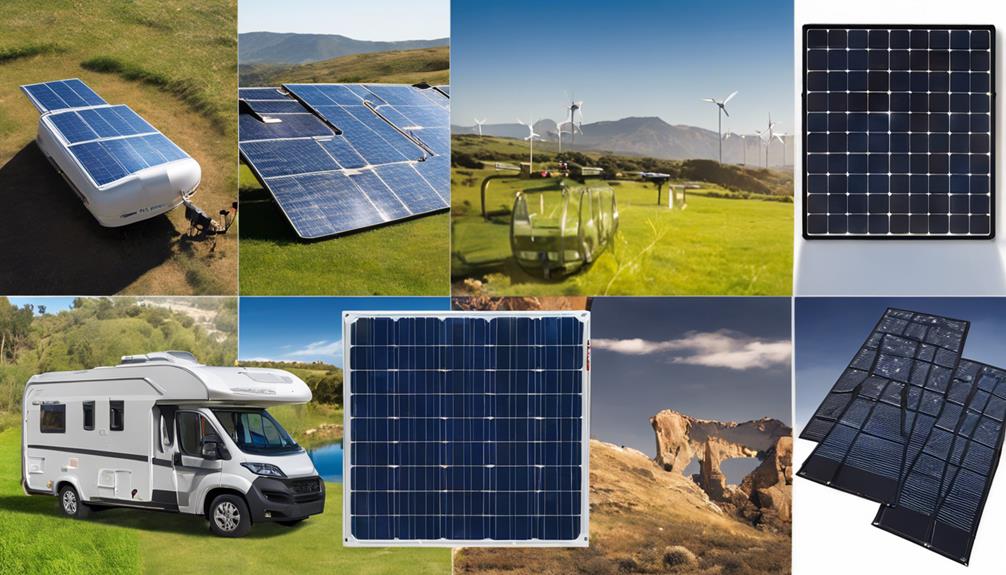
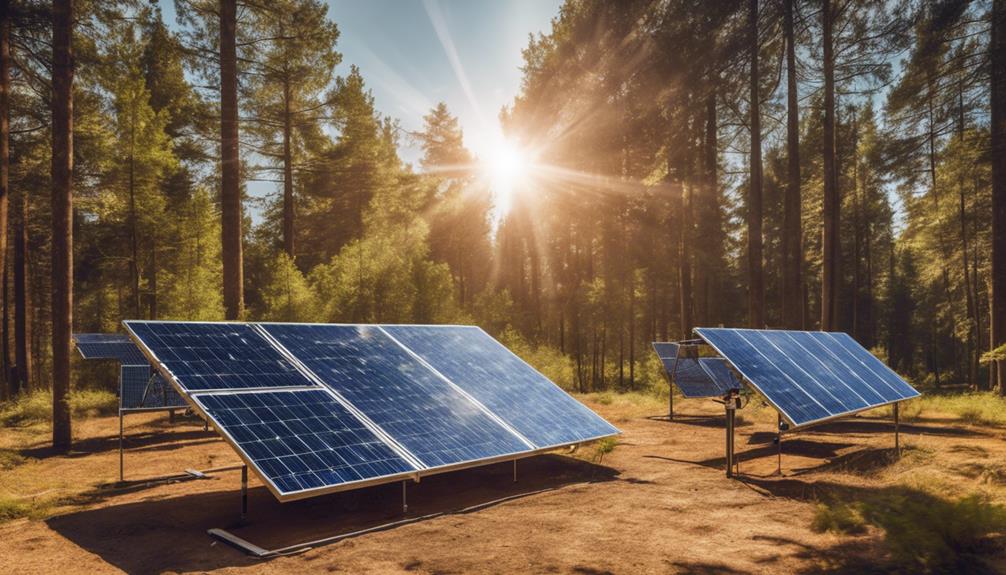
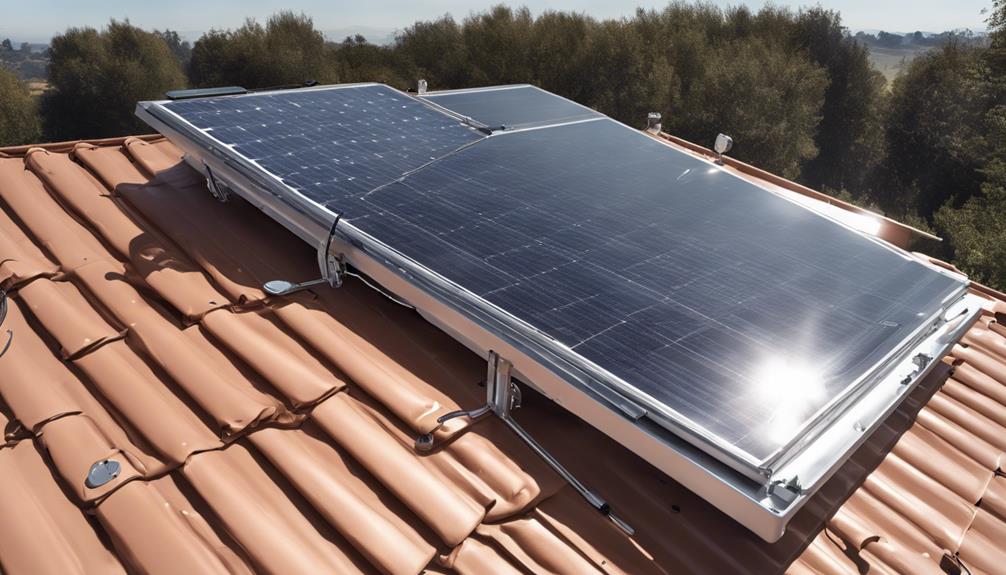
Consider solar panels and battery storage if your roof orientation and local incentives make them viable. Even a small photovoltaic array combined with efficient appliances and smart energy management can reduce dependence on the grid and lower bills. For many households, a phased approach — beginning with insulation and LED lighting, then adding smart devices and, finally, renewable generation — spreads costs while delivering steady improvements.
Planning, permits, and prioritising projects
A successful modernisation plan balances immediate needs, long-term goals, and budget realities. Conduct a basic home energy audit to identify where heat is lost and which systems are inefficient. Prioritise projects with the best combination of comfort improvement, energy savings, and resale value. For major structural changes or electrical work, check local building codes and obtain necessary permits to avoid costly rework. Working with licensed contractors and seeking multiple quotes helps ensure quality and fair pricing.
How to modernise your home depends on your lifestyle, climate, and long-term plans for the property. By focusing on energy efficiency, practical cosmetic updates, and selective smart investments, you can create a more comfortable, secure, and valuable home without unnecessary expense. Whether you are updating a house room by room or tackling a larger retrofit, small, consistent improvements add up to meaningful change.