Improving a home’s comfort, durability, and resale value increasingly goes hand in hand with boosting energy performance. Energy efficiency & home improvement is a practical, long-term approach that reduces utility costs while lowering environmental impact. Whether you are planning a full renovation or making targeted upgrades, understanding where energy is lost and which improvements offer the best return will help you prioritize projects and achieve measurable savings.
Why energy efficiency and home improvement matter
Focusing on energy efficiency can transform the way a house performs throughout the year. Energy-efficient homes maintain more stable indoor temperatures, experience fewer drafts, and often require smaller heating and cooling systems. This improves comfort for occupants and reduces overall household energy consumption. From a financial perspective, many energy-saving upgrades pay back their initial expense over time through lower utility bills and increased property value. Additionally, reducing energy use supports broader environmental goals by cutting greenhouse gas emissions associated with home energy use.
Assessing your home’s energy performance
Before beginning any improvements, conduct a thorough assessment to identify the biggest sources of energy loss. A professional energy audit will use tools such as blower door testing and infrared cameras to reveal air leaks, insulation gaps, and thermal bridging. If a professional audit is not feasible, homeowners can still perform a basic inspection by checking attic insulation levels, feeling for drafts around doors and windows, and monitoring how quickly different rooms heat or cool. Prioritizing fixes based on the audit results ensures that money and effort are directed to measures with the highest impact on home energy efficiency and home improvement outcomes.
High-impact home improvement projects
Some home improvement projects consistently deliver strong energy savings and improved comfort. Adding or upgrading insulation in the attic and walls reduces heat transfer and lowers heating and cooling loads. Sealing air leaks around windows, doors, and recessed lighting prevents conditioned air loss and makes HVAC systems more efficient. Replacing old windows with energy-efficient models, or improving existing windows with weatherstripping and storm panels, can be especially effective in older homes. Upgrading to a high-efficiency furnace, heat pump, or boiler will reduce energy consumption for space heating, while installing a programmable or smart thermostat helps optimize system operation without sacrificing comfort.
Low-cost upgrades and behavioral changes
Not all improvements require major investment. Small, inexpensive measures can combine to make a noticeable difference in energy use and indoor comfort. Simple actions such as installing LED lighting, adding outlet and switch gaskets to prevent drafts, and insulating hot water pipes reduce wasted energy. Changing daily habits—like lowering the thermostat at night, running full loads in dishwashers and washing machines, and using cold-water laundry cycles—also reduces energy demand. These upgrades and behaviors complement larger projects and can be implemented immediately while planning more extensive renovations.
Integrating renewable energy and smart technologies
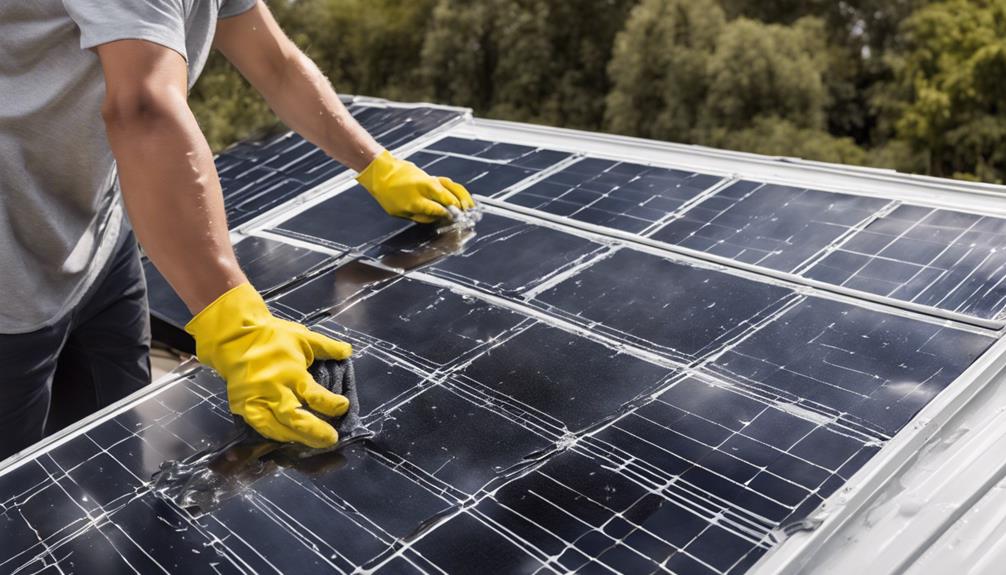
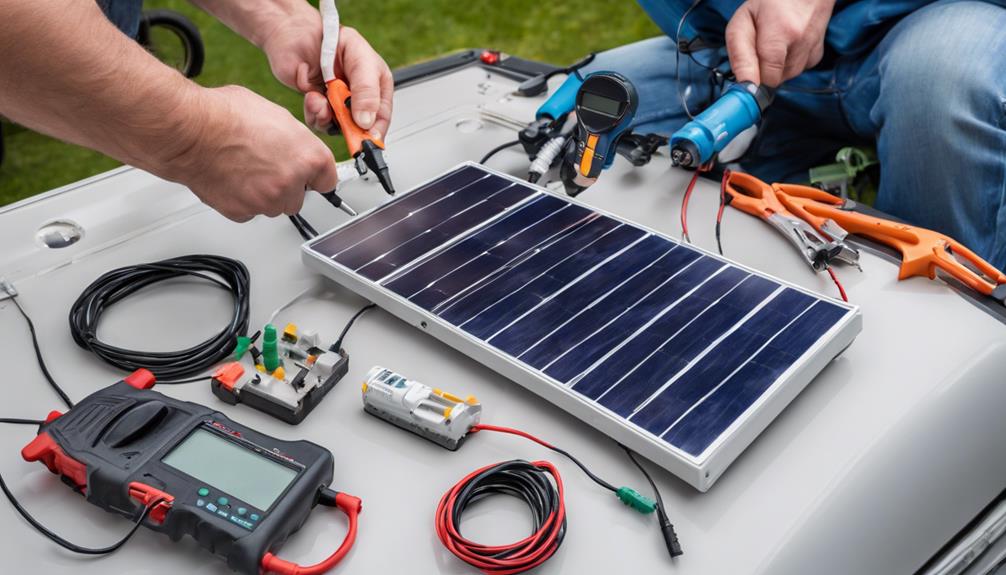
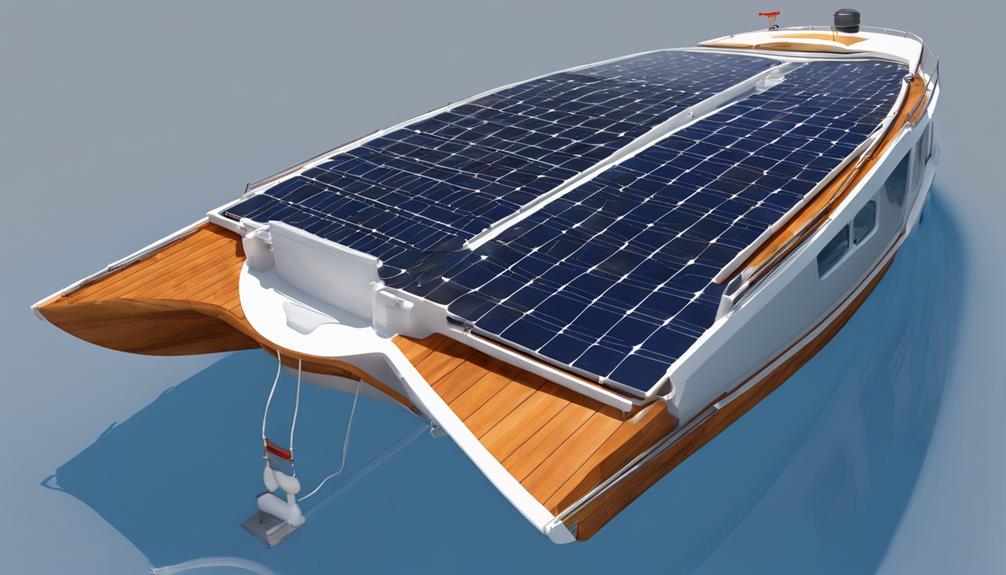
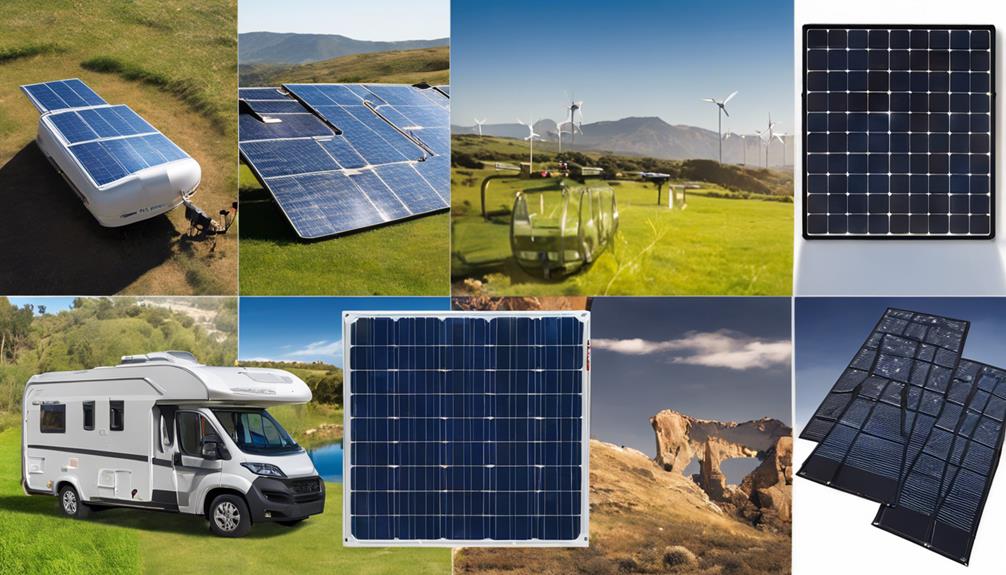
As homeowners pursue energy efficiency & home improvement goals, integrating renewable energy and smart home technologies can accelerate progress. Solar photovoltaic systems, when paired with energy-efficient building envelopes, often yield strong long-term returns and reduce reliance on grid electricity. Battery storage can enhance resilience and allow better use of self-generated power. Smart thermostats, lighting controls, and energy-monitoring devices provide real-time insights and automation that optimize energy consumption. When combined, efficiency measures and renewable technologies create a balanced approach that minimizes operational costs and environmental impact.
Financing, incentives, and planning for success
Financing options and government or utility incentives can make energy efficiency projects more affordable. Many regions offer rebates for insulation, heat pumps, window replacements, and home energy audits, while tax credits may offset a portion of installation costs. Homeowners should research available programs and consider the long-term savings when evaluating project budgets. Careful planning is essential: sequence projects logically by addressing air sealing and insulation before upgrading HVAC equipment, for example, to avoid oversizing systems. Working with qualified contractors who understand both energy efficiency and home improvement best practices helps ensure that upgrades are executed correctly and deliver promised results.
Energy efficiency & home improvement is a strategic approach that improves comfort, reduces operating costs, and increases property value. By starting with an assessment, prioritizing high-impact measures, combining low-cost actions with larger upgrades, and considering renewable energy and smart controls, homeowners can create healthier, more resilient living spaces. With thoughtful planning and use of available incentives, energy-efficient home improvements are an attainable goal for most households and a valuable investment in the future.
Related Guides
- Ecological House Design
- Elon Musk Energy Saving Device
- Energy Efficient Ac
- Energy Efficient Architecture
- Energy Monitor
- Energy Saving Ac
- Energy Wastage
- Home Eco
- How To Lower Power Bill
- How To Modernise Your Home
- How To Save Money On Ac In Summer
- Hvac Efficiency Upgrades Services
- Inexpensive Home Additions
- Low Energy Heaters
- Net 0 House Plans
- Residential Energy Audit Experts
- Saving Programs
- Smart Home Energy Management