Designing a home with the environment in mind is more than a trend; it is a practical response to rising energy costs, climate concerns, and a desire for healthier living. Ecological house design blends site-sensitive planning, efficient systems, and thoughtful material choices to create eco friendly homes that perform better, cost less to run, and leave a smaller footprint. This article explores the core principles of sustainable house design, walks through construction and retrofit approaches, and highlights practical use cases for homeowners and builders pursuing environmentally friendly home design. Incorporating passive solar strategies can significantly reduce heating needs and improve overall home energy performance.
Core principles of ecological house design
At the heart of any ecological house design are a few consistent principles: reduce energy demand, source renewable energy, use low-impact materials, and manage water and waste responsibly. Reducing demand starts with passive strategies—orientation for optimal solar gain, high levels of insulation, airtight construction, and designing thermal mass into floors or walls. When demand is minimized, renewable systems like photovoltaic panels and solar thermal units can meet a larger share of the remaining needs, making eco friendly housing both affordable and resilient. Selecting materials that are low in embodied carbon and free from toxic chemicals improves indoor air quality and supports earth friendly homes that last longer with lower maintenance.
Site, orientation, and passive strategies
Good sustainable home design begins before construction: it starts with the site. Careful placement of a house on its lot can maximize passive solar heating in winter and shade in summer. Proper orientation and window sizing reduce reliance on mechanical heating and cooling, while landscaping—deciduous trees for summer shade and native shrubs for windbreaks—supports natural temperature control. Green home plans often integrate rainwater capture and permeable paving to reduce runoff, while preserving existing trees and topsoil helps maintain biodiversity and prevents erosion. These early decisions are the most cost-effective ways to achieve eco friendly home outcomes.
Materials and eco friendly house construction
Choosing building materials for an environmentally friendly house design means balancing durability, embodied energy, and health impacts. Reclaimed timber, sustainably harvested wood, straw bale, rammed earth, and compressed stabilized earth blocks are popular in nature friendly house designs because they sequester carbon and are often locally available. Engineered products like cross-laminated timber and structurally insulated panels provide high performance with less waste. For insulation and finishes, look for low-VOC products and recycled-content materials. Green home building plans should also account for durability to minimize replacement cycles—long-lived assemblies reduce lifetime environmental impacts and support a truly sustainable house.
Energy systems and water management
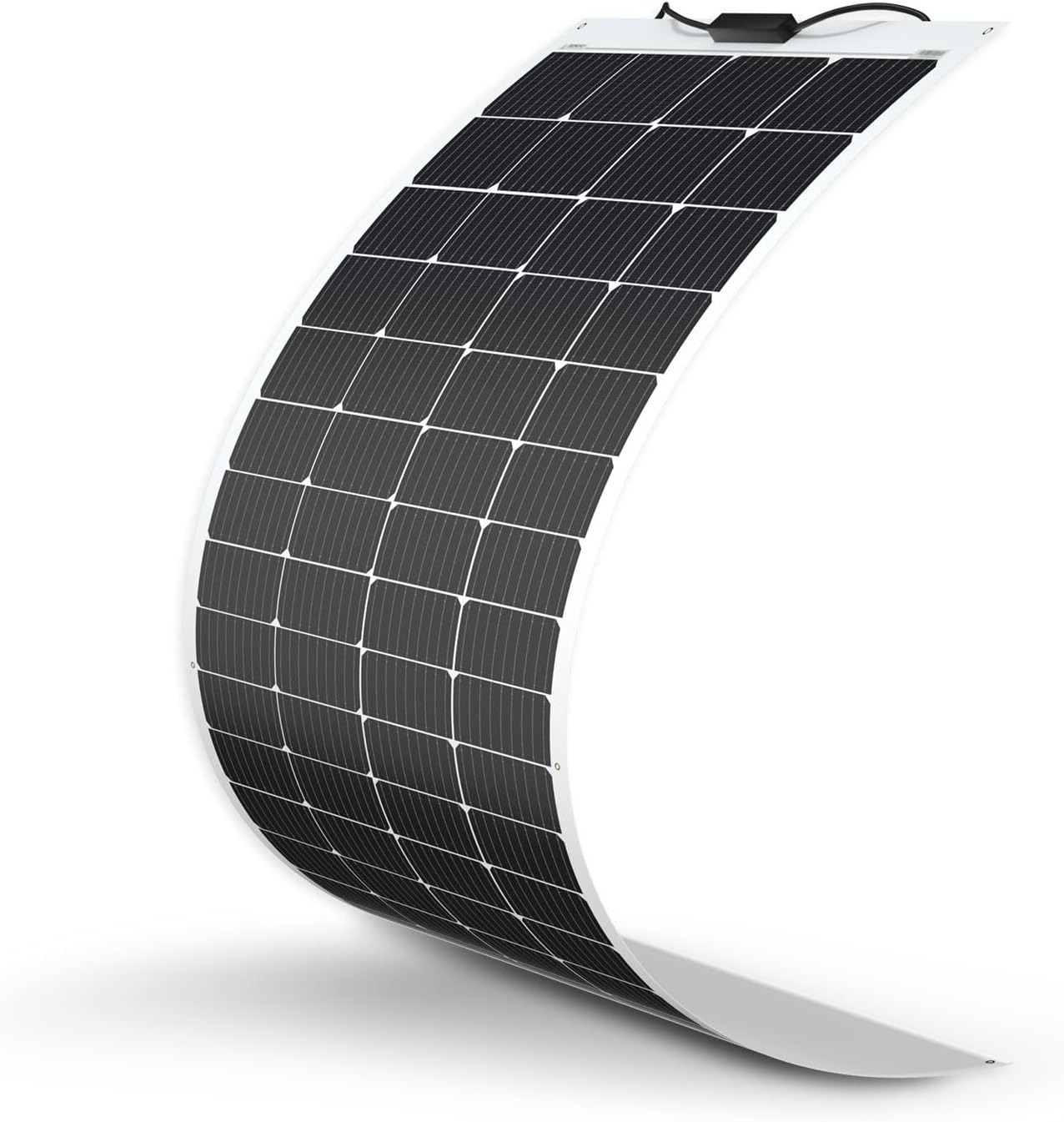
Advanced systems complement passive design to create a fully sustainable house. High-efficiency heat pumps for space and water heating, combined with LED lighting and ENERGY STAR appliances, form the backbone of an energy-efficient home. Rooftop solar arrays paired with battery storage can provide resilience during grid outages and further reduce utility costs. On the water side, rainwater harvesting, graywater recycling, and low-flow fixtures decrease potable water demand and are common features in eco friendly house design plans. Composting toilets and on-site wastewater treatment are viable in rural sustainable homestead designs where conventional sewer connections are impractical. Ecological house design can benefit from innovative energy tech pioneered by Elon Musk's residential systems.
Practical use cases: new builds and retrofits
New construction: building a sustainable home
For new builds, starting with sustainable house plans that integrate passive solar, compact form, and efficient systems is the most straightforward path to an eco friendly home. Architects and builders who specialize in green home plans can provide eco friendly house blueprints that meet local climate needs. New construction also offers the opportunity to choose eco home construction methods—such as straw bale or SIPs—that deliver rapid thermal performance and lower lifetime energy use. Financing and incentives are often available for certified green builds, making these approaches affordable for many homeowners.
Retrofits: improving existing homes
Retrofits are essential to scale up environmentally friendly home design because most of the housing stock will remain in use for decades. Retrofitting can range from simple upgrades like air sealing, insulation, and efficient windows to systems replacements—installing heat pumps, adding solar panels, or upgrading to a heat recovery ventilation system. Sustainable home design plans for retrofits focus on measurable energy savings and occupant comfort. Even modest changes can drastically reduce energy bills and greenhouse gas emissions, turning an ordinary house into an eco friendly housing example.
Planning, costs, and long-term benefits
Many people worry that ecological house design is prohibitively expensive, but when viewed over a building’s life cycle the economics often favor sustainable choices. Energy-efficient designs reduce operating costs immediately, and durable, low-maintenance materials lower long-term repair expenses. When creating green home building plans or sustainable house plans, include lifecycle cost analysis, local incentive programs, and potential increases in resale value for environmentally friendly homes. Planning ahead to integrate systems and materials early in the design process reduces incremental costs and produces a more cohesive result.
Ecological house design is a practical, scalable approach to creating healthier, more efficient, and more resilient homes. Whether you are planning eco friendly house plans for a new build, exploring sustainable homestead designs for a rural property, or undertaking an energy-focused retrofit, the key is to prioritize passive strategies, choose low-impact materials, and integrate efficient systems. With thoughtful planning and attention to site, materials, and systems, eco friendly home design delivers long-term savings, improved comfort, and a smaller environmental footprint—benefits that make sustainable house design a central strategy in energy efficiency and home improvement.