Introduction: what “solar heating” can mean
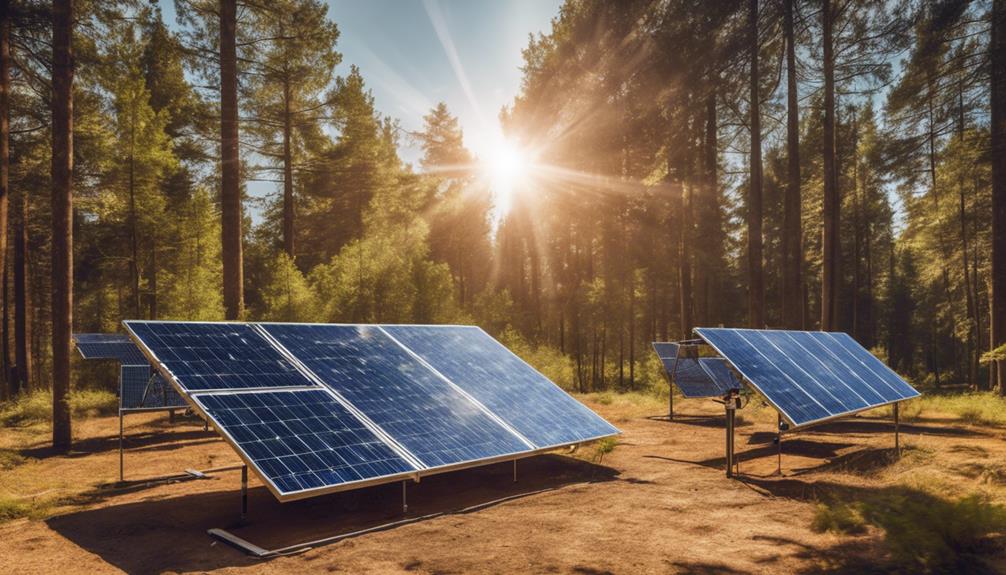
“Solar heating” is an umbrella term. For homeowners it commonly refers to four different approaches: passive solar design (building orientation and materials), active solar space heating (solar thermal collectors plus pumps or fans), solar water heating (domestic hot water), and solar PV + heat pumps (electricity from PV powering efficient heat pumps). Which path is best depends on your house, climate, budget, and goals.
Start with the house, not the equipment
Before investing in any solar system, begin with a home energy assessment (home energy audit). The cheapest solar heating system is often the one you don’t have to oversize because the house is already well sealed and insulated. Air sealing, added insulation, duct work repairs, efficient windows, and HVAC tune-ups reduce the heating load and make any solar option smaller, cheaper, and more effective.
Option 1: Passive solar design
Passive solar design uses orientation, south-facing glazing, thermal mass, insulation, and shading to collect and manage heat without mechanical equipment. For good results, solar-collecting windows typically face within about 30 degrees of true south and should be unshaded during the heating season roughly between 9 a.m. and 3 p.m. Incorporate thermal mass (concrete, tile, masonry) to store daytime heat, and plan seasonal shading (overhangs, deciduous trees) to avoid overheating in shoulder seasons and summer.
Passive strategies are most practical for new builds or major remodels. Benefits include low operating cost, daylighting, and low maintenance; risks include overheating or glare if glazing is oversized or shading is inadequate.
Option 2: Active solar space heating (solar thermal)
Active solar space heating uses collectors that heat a liquid or air; pumps or fans then move that heat into the house or storage. Liquid (hydronic) systems pair well with storage tanks, radiant floors, or heat exchangers. Flat-plate liquid collectors commonly heat fluids to about 90°F–120°F, while many conventional radiators and baseboards expect water at 160°F–180°F—this mismatch influences system design and favors low-temperature distribution like radiant floors.
Active systems are design-sensitive and usually include an auxiliary or backup heat source. They are often most economical when sized to provide roughly 40%–80% of a home’s heating load; designing for 100% solar space heating is rarely practical or cost-effective.
Option 3: Solar water heating
Solar water heating (solar domestic hot water) uses solar thermal collectors plus insulated storage tanks to heat household water. Depending on system design, solar resource, and hot water use, solar water heaters can reduce water-heating bills by about 50%–80%. The solar fraction—the share of your water-heating load met by solar—typically runs in the 0.5–0.75 range for well-designed systems.
Common arrangements include two-tank systems, where solar preheats water before it enters a conventional backup heater. Cold climates require freeze protection: systems use low-freezing-point heat-transfer fluids or indirect heat-exchange loops, and potable systems should use non-toxic fluids. Look for ICC-SRCC OG-300 certification when evaluating solar water-heating products.
Option 4: Solar PV + heat pumps
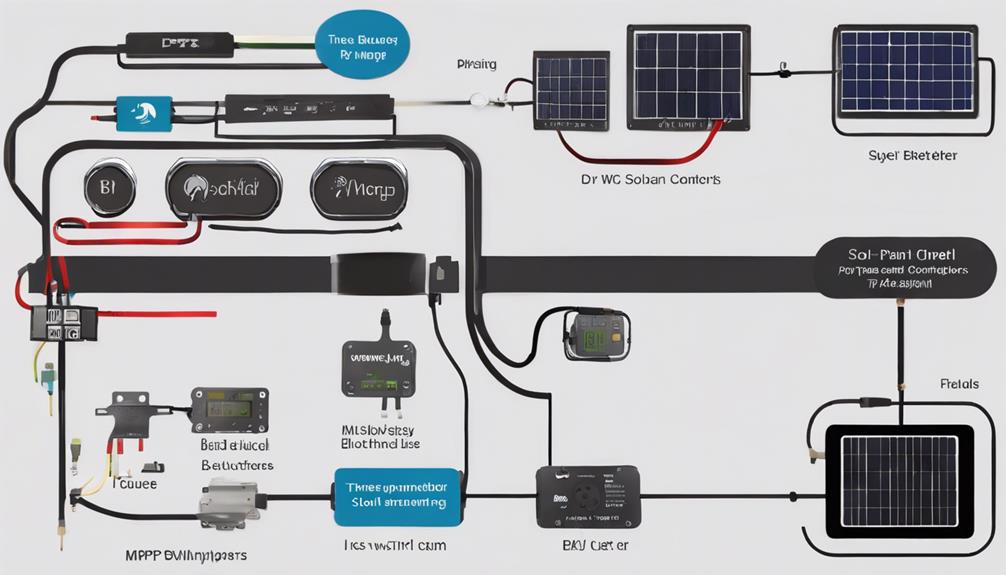
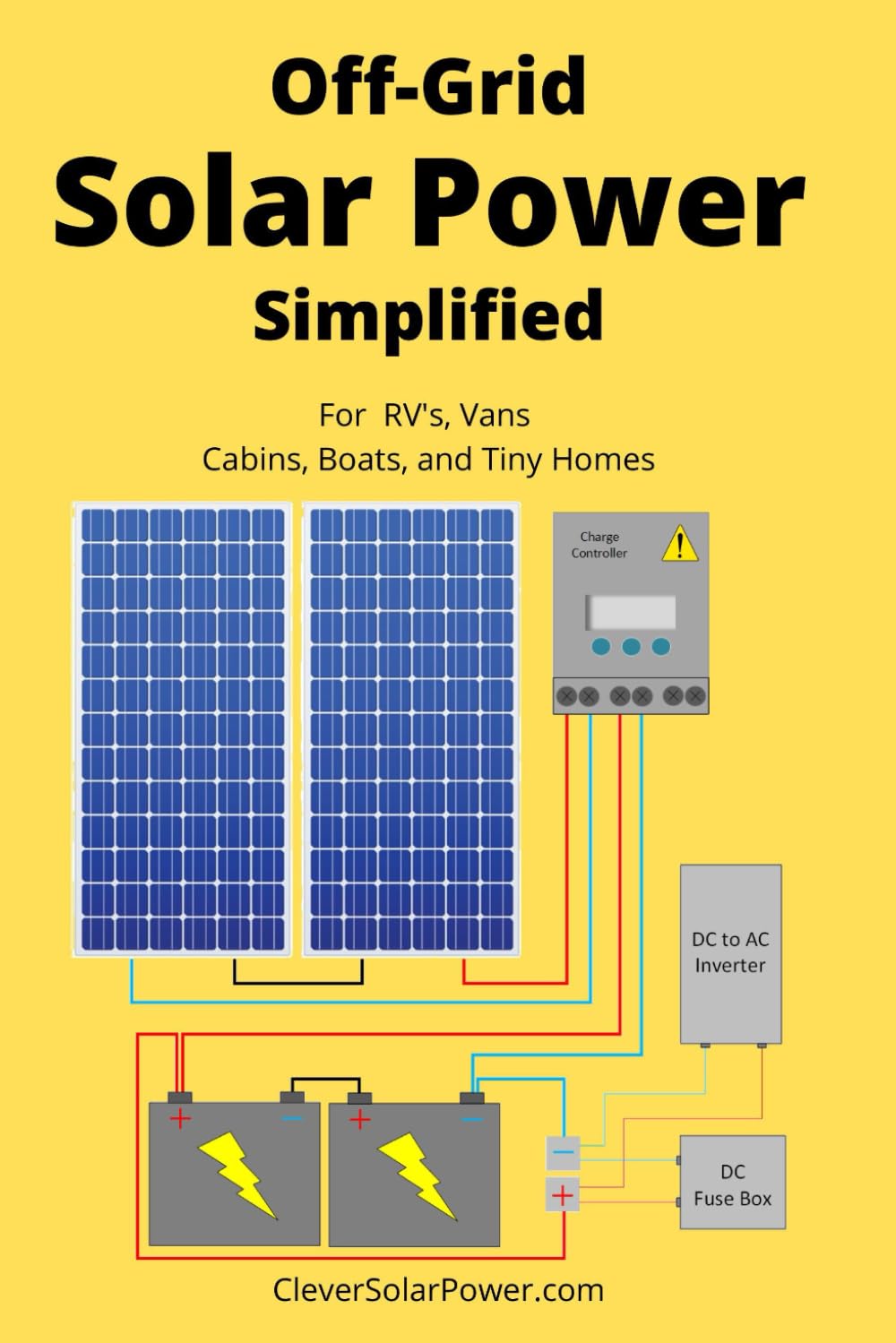
Solar PV panels generate electricity, not heat. That electricity can run efficient heating equipment: air-source heat pumps, cold-climate air-source heat pumps, and heat-pump water heaters. Properly installed air-source heat pumps can deliver two to four times more heat energy than the electrical energy they consume, making PV + heat pump a strong retrofit option—especially where adding hydronic piping or thermal storage would be difficult.
Modern cold-climate air-source heat pumps can operate effectively below 5°F, though performance and backup needs vary by model and site conditions.
How to compare options
- Climate and solar resource: sunny, cold climates favor some solar thermal uses; milder climates often favor heat pumps.
- Roof/site orientation and shading: determines PV and passive solar potential.
- Existing heating distribution: hydronic systems suit solar thermal; forced air pairs more easily with air-source heat pumps.
- Goals: reduce water-heating bills, lower fossil fuel use, or electrify space heating?
- Complexity and maintenance: active solar thermal needs pumps, controls, and occasional servicing.
- Incentives and utility rules: verify current state, local, and utility programs—do not assume federal credits are available beyond December 31, 2025.
Homeowner checklist
- Get a home energy assessment first; fix air leaks and insulation issues.
- Reduce your heating load before sizing any solar system.
- Check solar access and orientation for passive design, collectors, or PV.
- Compare solar thermal, solar water heating, and PV + heat pumps for your goals and distribution system.
- Confirm system certifications (ICC-SRCC OG-300 for solar water heating; ENERGY STAR or manufacturer specs for heat pumps) and consider NABCEP credentials when evaluating installers.
- Verify permits, local codes, HOA rules, interconnection requirements, and current incentives—note that federal residential credits described by IRS applied to qualifying expenditures through December 31, 2025; state and utility rebates may still be available.
Conclusion
Solar heating can make sense, but there’s no one-size-fits-all answer. Start with efficiency and a home energy assessment, then compare passive design, active solar thermal, solar water heating, and PV + heat pumps for your house and priorities. Match the technology to your distribution system, climate, and budget, and verify certifications, local rules, and current incentives before making decisions.