Quick take: Solar hot water (solar thermal) can save money for the right home — especially where electricity is expensive and roofs are sunny. It’s not always the cheapest route: compare solar thermal to heat‑pump water heaters (HPWH) and PV + HPWH. Three next steps: run a site estimate with NREL tools, check local incentives on DSIRE, and get 2–3 installer quotes.
How solar thermal works
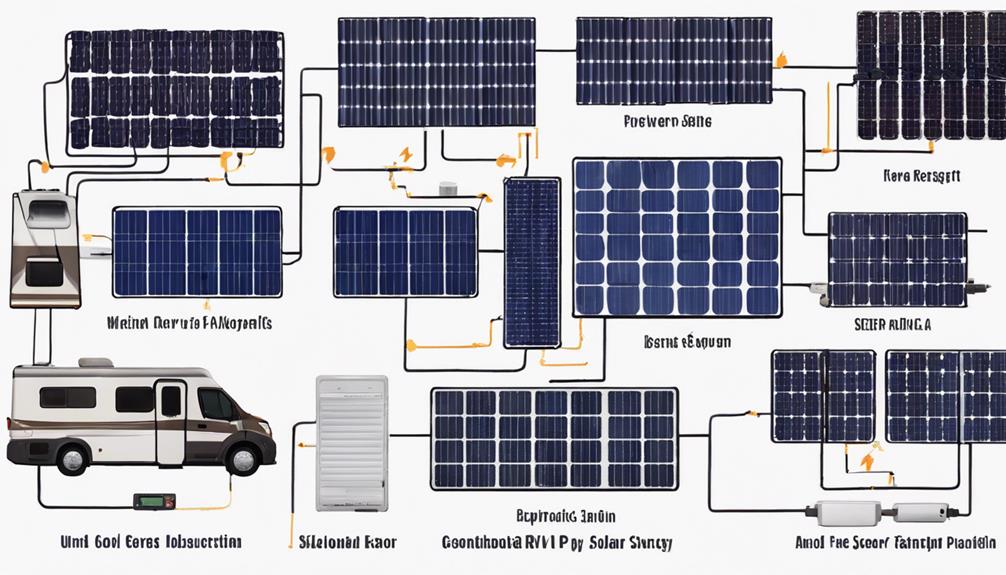
Solar thermal systems capture sunlight as heat with solar thermal collectors and transfer that heat to water for domestic hot‑water, space heating, or pools. Residential systems usually use either flat‑plate collectors or evacuated‑tube collectors; concentrating collectors are generally for large/industrial sites. Hybrid PVT panels (PV‑thermal) combine electricity generation with heat capture in one module.
Collectors can be passive (simpler, lower cost) or active (pumps, controls). A typical residential system includes collectors on the roof, a storage tank (or an integrated tank), piping, controls, and freeze protection if needed. Performance depends on collector type, roof tilt and orientation, shading, and the home’s hot‑water demand. (See EIA overview for basics: https://www.eia.gov/energyexplained/solar/solar-thermal-collectors.php.)
Is your home a good candidate?
Before you get excited, run a quick checklist:
- How long will you stay? Solar installations make most sense if you plan to own the home long enough to recover costs (payback varies widely).
- Roof orientation & tilt: South‑facing, unshaded roof space at a typical tilt performs best.
- Shading: Trees or nearby buildings that shade collectors reduce performance substantially.
- Hot‑water demand & fuel type: Homes that use electric water heating or high hot‑water loads see the biggest savings; gas homes typically save less.
- Local incentives & market: Available rebates, tax credits, or SRECs can shift economics—check DSIRE for your state.
Tools to use: NREL solar resource maps and PV/Solar calculators (https://www.nrel.gov/solar/data-tools.html) and DSIRE incentive lookup (https://programs.dsireusa.org). These give site‑specific resource and incentive information to feed into installer quotes.
Costs and typical savings (examples)
Typical U.S. installed costs for small residential solar hot‑water systems often fall in roughly $4,000–$8,000, though local prices vary (market guides such as EnergySage and installer surveys reflect this range). Performance can replace 40–80% of a home’s water‑heating energy in sunny climates when well sized.
Below are illustrative scenarios (assumptions noted). All dollar and payback examples are illustrative; verify current incentives and local energy prices. Date of figures and guidance: as of July 9, 2026. Sources: EnergySage market guides and NREL technical summaries.
| Case | Installed cost | Incentives (illustrative) | Annual savings | Simple payback |
|---|---|---|---|---|
| Best case | $5,000 | 30% federal credit assumed* (−$1,500) | $700/yr (displaces electric) | ~5 years |
| Typical | $7,000 | 30% federal credit assumed* (−$2,100) | $250/yr (displaces gas) | ~20 years |
| Poor case | $8,500 | No local incentives | $150/yr (low solar/shading) | ~57 years |
Assumptions: illustrative federal incentive in examples is assumed at 30% for modeling only—verify current IRS/DOE rules and exact credit amounts for your tax year. Annual savings reflect typical ranges for electric vs gas water‑heating costs and will vary by utility rates, climate, and system sizing. Figures dated July 9, 2026; consult EnergySage and NREL for local cost and performance modeling.
Alternatives and combos: HPWH, PV+HPWH, and PVT
Heat‑pump water heaters (HPWHs) have become a strong alternative. They typically cost less to install than a full solar thermal system and can cut water‑heating electricity use by 50–70% with shorter payback in many markets. Pairing rooftop PV with an HPWH often matches or beats solar thermal economically because PV panels are falling in price and give flexible electricity that can run other loads.
PVT (PV‑thermal hybrid) panels recover heat while also generating electricity, useful if you want both outputs from the same roof area. PVT systems are less common and can be more expensive; they suit homes with high simultaneous electric and thermal demand or limited roof area.
Bottom line: compare solar thermal vs HPWH vs PV+HPWH with local quotes. Energy.gov Pacific Northwest/NREL guides explain when each option wins on cost and emissions.
Incentives, SRECs and what to check
- Federal residential credits and rules change over time—verify the current Residential Clean Energy Credit with the IRS or DOE before assuming an amount (check IRS and Energy.gov guidance as of July 9, 2026).
- SREC/REC markets exist only in some states and are policy‑driven and volatile. Use DSIRE and your state energy office to see active programs (https://programs.dsireusa.org).
- Also check local utility rebates, permit rules, and whether installers or homeowners retain any RECs/SRECs.
Next steps: sizing, quotes, and questions to ask installers
1) Run a site estimate with NREL/DOE tools and check solar resource maps (https://www.nrel.gov/solar/data-tools.html). 2) Use DSIRE to list incentives for your state. 3) Get 2–3 installer quotes that include system size, expected annual solar fraction, maintenance, and warranties.
Questions to ask installers:
- Which collector type (flat‑plate vs evacuated‑tube) do you recommend and why?
- What percentage of our annual hot‑water load will the system cover?
- What is the all‑in installed cost and expected payback under current local incentives?
- Do you provide performance guarantees or monitoring? Who owns any RECs/SRECs?
- Are freeze protection, maintenance, and warranty terms included?
Myth vs Reality: “Solar thermal always pays back quickly” — reality: payback ranges from under 10 years to multiple decades depending on site, fuel displaced, and incentives; run site‑specific modeling.
Disclaimer: This article provides general information only. Verify federal tax credits with the IRS or a tax advisor and confirm state/local incentives on DSIRE and your utility’s site. Local costs, incentive availability, and rules were changing as of July 9, 2026.
CTA: Check your state incentives on DSIRE and run a site estimate with NREL/DOE solar tools before requesting installer quotes.