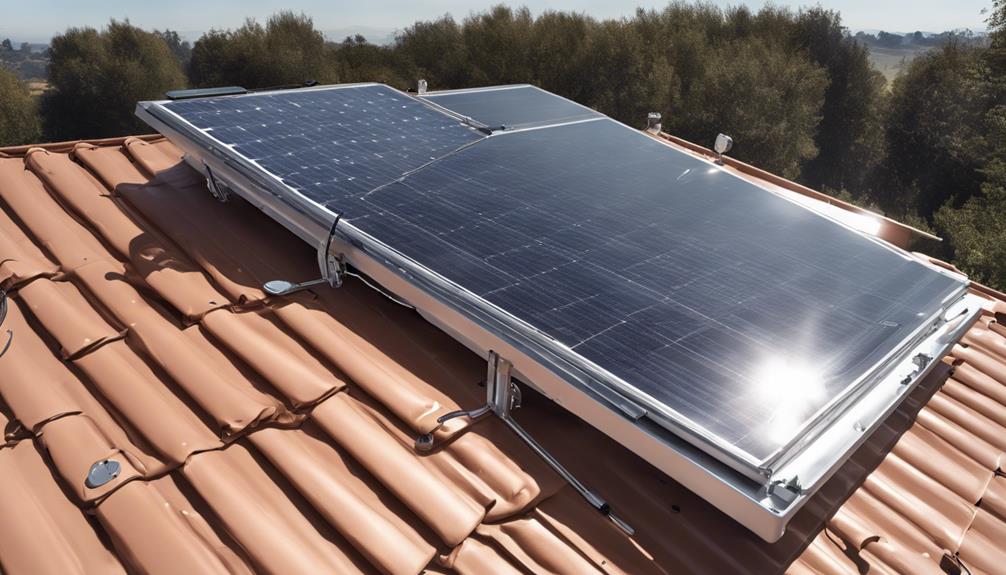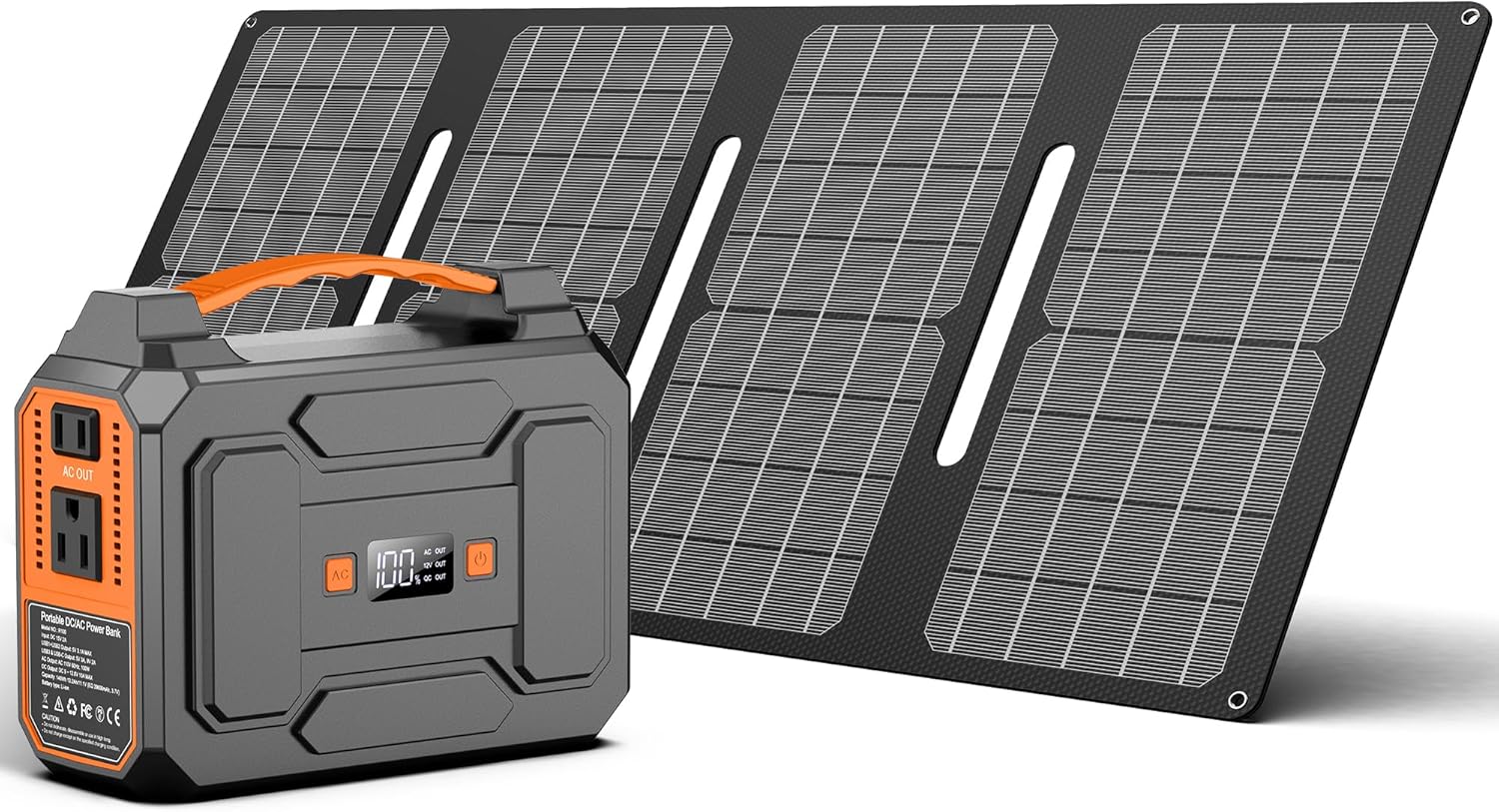
As homeowners and businesses increasingly look to reduce energy costs and lower their carbon footprint, the solar grid tie inverter has become an essential component of modern photovoltaic systems. A grid tie inverter converts the direct current generated by solar panels into alternating current that matches the voltage and frequency of the utility grid, allowing solar energy to be used on-site or exported back to the grid. In the context of complete solar kits and systems, selecting the right inverter is as important as choosing quality solar panels and mounting hardware. This article explains how solar grid tie inverters work, how to choose one for your system, practical use cases, installation considerations, and ongoing maintenance. When selecting a grid-tie inverter, evaluate complete solar systems for matched performance and simplified installation.
How a solar grid tie inverter works
A solar grid tied inverter takes DC electricity from the solar panel array and uses power electronics to produce AC power synchronized to the utility grid. Modern inverters perform maximum power point tracking to optimize output from the solar panel string as conditions change across the day and seasons. They also include safety features such as anti-islanding protection, which prevents the inverter from feeding power into the grid during an outage and endangering line workers. Whether you choose what’s commonly called a solar power grid tie inverter or a solar grid connected inverter, the main purpose is the same: to make clean solar energy usable and to enable net metering or feed-in tariffs where available.
Types of inverters: string, micro, and hybrid options
There are several categories of inverters to consider within complete solar kits and systems. String inverters are the traditional choice for residential and commercial installations where panels share similar orientation and shading. Microinverters attach to each panel and maximize production at the module level, which is useful when shading or mixed orientations are a factor. Hybrid or battery-ready inverters can act as a solar panel grid tie inverter while also allowing integration with battery storage, enabling you to store excess energy for use during grid outages or peak demand times. Choosing between these depends on roof layout, shading, expansion plans, and whether you want backup power capability.
Sizing and compatibility for complete solar kits and systems
Sizing a solar grid tie inverter requires matching its AC capacity and voltage range to your solar panel array and your expected load profile. In simple terms, an inverter should be sized to handle the peak output of the panels it will convert, but many installers slightly undersize or oversize based on seasonal performance and inverter efficiency curves. Compatibility also extends to string configuration and inverter input voltage limits. For people buying a complete solar kit, look for systems where the solar panel grid tie inverter is selected to match the kit’s total wattage and panel configuration. This reduces the risk of power clipping or underutilization and ensures long-term reliability.
Installation, permits, and safety considerations
Installing a solar grid connected inverter typically requires a certified electrician and may require permits and interconnection agreements with your utility. Safety protocols include proper grounding, installation of AC and DC disconnects, and compliance with local electrical codes. Anti-islanding and rapid shutdown functionality are often mandated, especially for residential rooftop systems. When selecting a solar power grid tie inverter as part of a complete solar kit, verify that the device carries recognized certifications such as UL or IEC listings and that the installer will handle paperwork for net metering and inspections. This protects both people and the power system and ensures the system will be accepted by your utility. If you're exploring a solar grid tie inverter, consider 12V solar panel kits for off-grid battery systems.
Practical use cases and benefits
Solar grid tie inverters are suited to a wide range of applications. For most homeowners, the primary goal is to reduce electricity bills by using on-site solar power during the day and exporting excess energy for credit. Small businesses can similarly reduce operating costs and demonstrate sustainability. In larger commercial and industrial projects, central string inverters can manage dozens of kilowatts of solar capacity, while microinverters or power optimizers offer greater resilience and production monitoring per panel. Hybrid inverters expand use cases by enabling self-consumption with battery backup, turning a grid connected system into a more resilient energy platform that supports emergency power needs or demand charge management.
Maintenance, monitoring, and long-term performance
While grid tie inverters require little routine maintenance, their performance and longevity depend on environmental conditions and proper ventilation. Inverter warranties typically range from five to fifteen years, and many manufacturers offer extended coverage. Remote monitoring platforms give system owners visibility into production and alerts for faults, making it easier to troubleshoot issues without site visits. For complete solar kits and systems, confirm that the inverter’s monitoring options fit your needs—some systems provide web-based dashboards or smartphone apps, while others support third-party energy management tools. Regular inspections of wiring, mounting hardware, and PV module cleanliness will help maintain optimal performance over the system’s life.
Choosing the right solar grid tie inverter is a critical step when assembling a complete solar kit or upgrading an existing system. By understanding how inverters work, the different types available, and the practical considerations around sizing, installation, and maintenance, homeowners and businesses can select a solution that maximizes energy production and supports long-term sustainability goals. Whether you prioritize cost, module-level optimization, or battery integration, the right inverter will ensure your solar investment delivers reliable power and measurable savings.