Disclaimer: This article is informational only. Codes, permit requirements, and utility interconnection rules vary by location. Consult your local authority having jurisdiction (AHJ) and a licensed electrician before installing grid‑connected or rooftop systems.
TL;DR — Should you buy a solar panel kit?
Solar panel kits package PV modules with balance‑of‑system (BOS) parts for simpler installs. They work well for RVs, boats, tiny homes, sheds, or emergency/portable power. Kits are usually too small to power a typical U.S. home fully. If you plan grid‑tie rooftop work, batteries or large systems, or any wiring beyond low‑voltage DC, hire a licensed pro and get permits.
What is a solar panel kit?
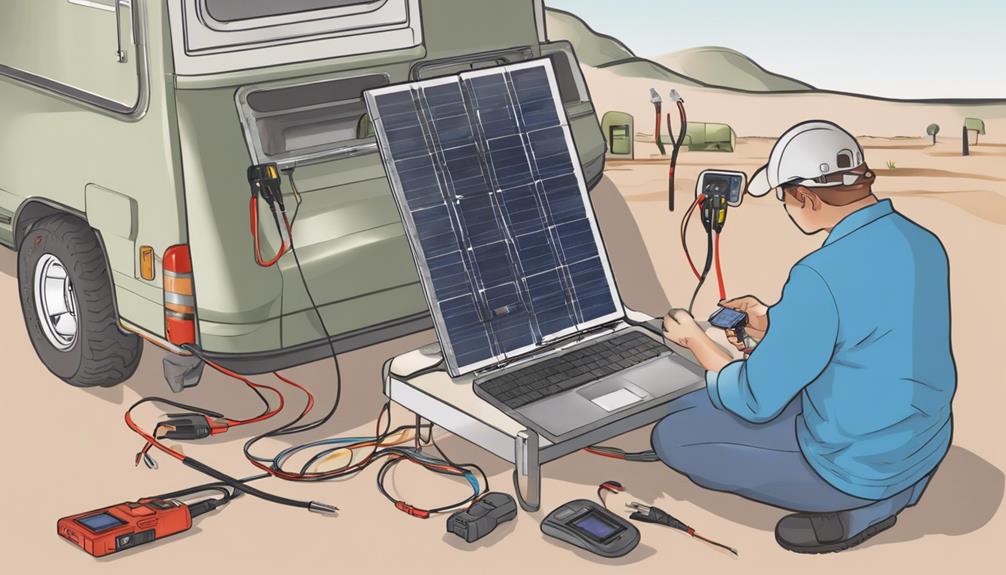
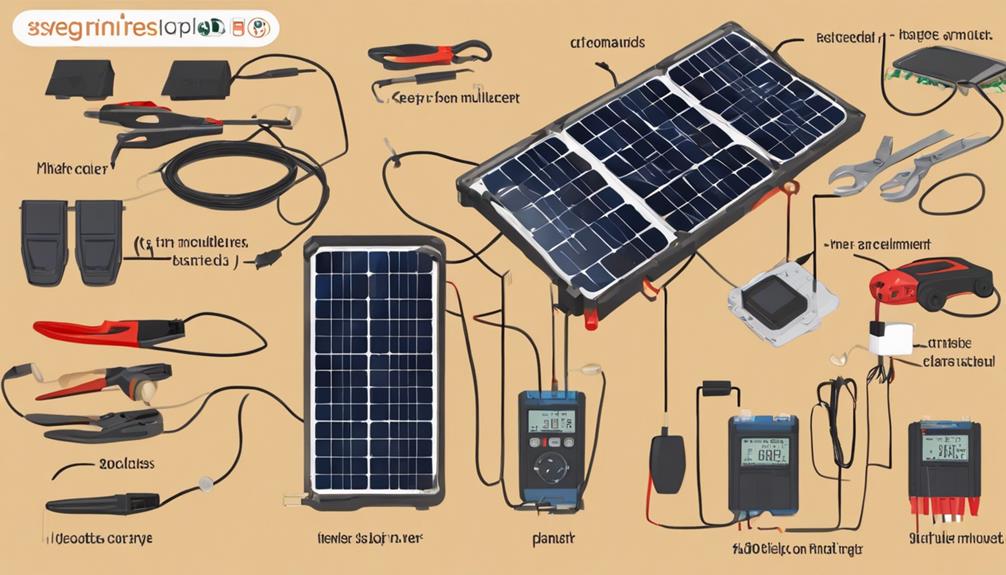
A solar panel kit (solar kit) bundles one or more photovoltaic (PV) modules with BOS components. Typical contents include:
- PV module(s) (panels)
- Inverter or charge controller (MPPT vs PWM for battery systems)
- Mounting hardware and racks or portable frames
- Wiring, connectors, fuses/combiner pieces
- Optional batteries, monitoring hardware, and protective disconnects
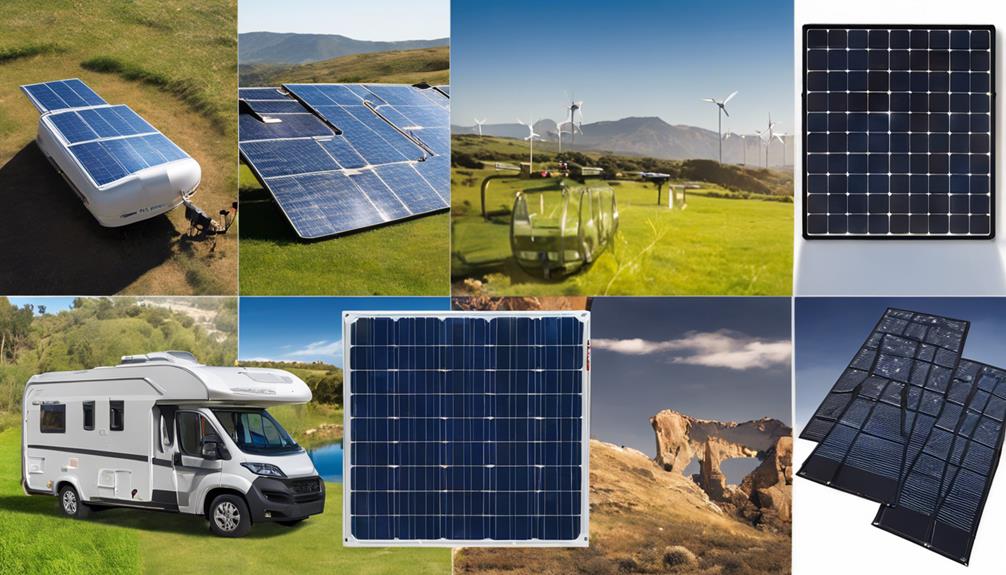
Kits come in several flavors: portable/solar generators (plug‑and‑play), off‑grid kits (panels + MPPT + batteries), and grid‑tie kits (inverter sized to export to the grid). Many retail kits do not include batteries.
Which projects are right for kits?
Good uses:
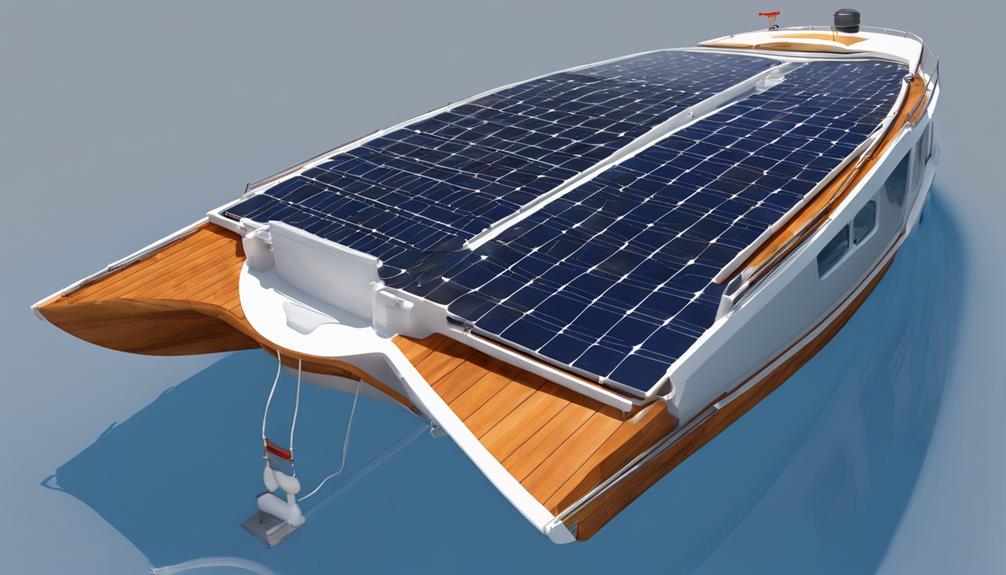
- RV and boat electrics (lighting, small fridge, USB devices)
- Tiny homes, cabins, backyard sheds or workshops with modest loads
- Portable emergency power for essential devices
- Educational/hobby projects and small off‑grid installations
Not suitable: powering an entire modern home with standard retail kits. Whole‑home systems usually require many panels (dozens) and professional design.
How to size a kit — simple steps and an example
Basic sizing steps:
- List loads in watts and estimate hours used per day to get watt‑hours/day.
- Add reserves and system losses (battery inefficiency, inverter loss; common rule add 20–30%).
- Divide by average daily sun hours at your location (insolation) to find needed array watts.
Worked example (very simple): you want to run a laptop (60 W for 6 hours), LED lights (30 W for 4 hours), and a small fan (40 W for 4 hours).
- Daily energy = (60×6) + (30×4) + (40×4) = 360 + 120 + 160 = 640 Wh/day.
- Add 25% for losses → ~800 Wh/day.
- If your site averages 4 sun hours/day, needed array = 800 / 4 = 200 W of panels (rounded up).
That means a 200–400 W kit could cover these modest loads; a typical whole‑home system is often 3–6 kW (3,000–6,000 W) and requires professional quoting and permitting.
Key components explained
- PV module (panel): Look at efficiency (modern modules ~20–23%), temperature coefficient, warranty, and UL/ETL listing.
- Inverter: Grid‑tie inverter (exports to grid), hybrid inverter (works with batteries), microinverters (per‑panel), or a DC‑to‑AC generator for portable kits.
- Charge controller: MPPT is more efficient than PWM for battery charging.
- Batteries / BESS: If included, ensure batteries meet UL 1973 / UL 9540 requirements and understand thermal / fire considerations.
- BOS items: Racking, grounding, combiner boxes, disconnects, and appropriate gauge wiring and overcurrent protection.
Safety, codes and product standards
Authorities often require listed equipment and compliance with NEC/NFPA rules. Look for UL standards such as UL 61730 (modules), UL 1741 (inverters), UL 1973 (batteries) and UL 9540/9540A for energy storage testing. Even DIY installs generally need electrical permits and inspections; grid interconnection almost always requires utility approval. For rooftop or grid‑tie work, we strongly recommend a licensed electrician.
Costs & realistic savings
Retail kit prices vary widely by size and components. Professionally installed whole‑home systems average roughly $2.50–$3.50 per watt nationwide (industry trackers). Small DIY kits can be cheaper per package but provide far less capacity and shift technical and safety responsibility to the owner. Savings depend on your electric rates, incentives, and system size — check current federal/state programs before assuming tax credits or rebates.
Quick buying checklist and red flags
- Buy: UL/ETL/NRTL markings, product datasheets, clear wiring diagrams, manufacturer warranty (panels & inverter), MPPT controllers for battery systems.
- Red flags: Missing certifications, no clear documentation, overly vague warranties, kits that claim to “power an entire home” with one small panel.
- Print/save this: a one‑page checklist of components, permits required, and contact info for your utility/AHJ.
When to hire a pro
Hire a licensed installer for rooftop work, grid‑tie systems, larger arrays, complicated battery ESS, or if you’re unsure about structural or electrical issues. Get multiple quotes and ask for site‑specific designs, equipment lists, and verification that the installer will handle permits and interconnection paperwork.
Next steps
Decide whether your project is small and self‑contained (portable, RV, shed) or requires professional design. Contact your local building permit office and utility to learn interconnection steps. Verify current incentives through state/local resources and the IRS before buying. If in doubt about wiring or roof penetrations, consult a licensed electrician.
Quick reference: Common terms
- PV module = solar panel; array = multiple panels
- BOS = balance of system (non‑module components)
- MPPT = maximum power point tracking charge controller
- ESS/BESS = energy storage system / battery energy storage system