Deck
This guide helps DIYers, RV owners and homeowners compare solar kits (portable and full‑home) vs contractor systems, set realistic cost and permit expectations, and decide whether to buy a kit or hire a pro.
TL;DR — Quick facts (as of July 3, 2026)
- What a kit is: a packaged set of PV panels and some balance‑of‑system parts (inverter or charge controller, wiring, racking components in varying combinations).
- Who benefits: portable kits for camping/RV use; small off‑grid kits for battery charging; larger DIY kits can reduce costs but still often require permits and pros for grid interconnection.
- Cost ranges: small consumer kits (100–400 W) commonly cost about $100–$400 (retailer product examples checked June 2026). Full rooftop systems are quoted per watt and typically cost thousands when installed—get local $/W quotes to compare.
- Policy snapshot: As of July 3, 2026 — the federal Residential Clean Energy Credit (IRC §25D) is not available for property placed in service after December 31, 2025 (IRS guidance reviewed Jan. 12, 2026). Check state and utility incentives on DSIRE for current programs.
What is a “solar kit”?
“Kit” vs “system”: a kit is a consumer‑sold package (panels + some components). A system is the complete installed PV installation sized and connected for your home. Kits range from portable panels sold with a small inverter or charge controller to large panel bundles marketed for rooftop DIY installs.
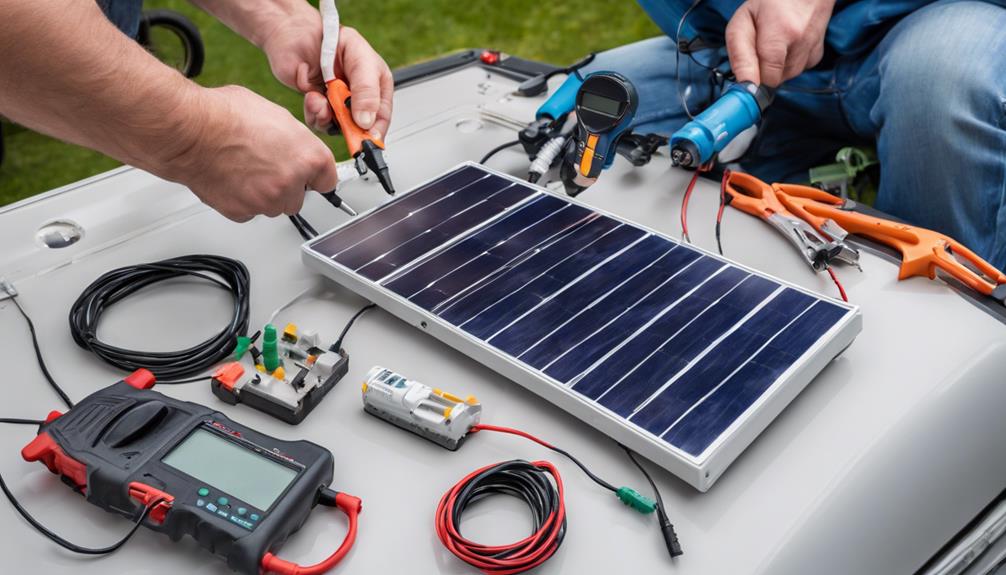
Typical kit contents (kit checklist)
- PV modules (panels)
- Inverter (for AC output) or charge controller (for battery charging; MPPT preferred)
- Mounting hardware (roof or ground/rack parts; often limited)
- Wiring, connectors (MC4), fuses or breakers
- Optional batteries or battery cables (many kits are sold without batteries)
Important: many retail kits do NOT include permits, inspections, utility interconnection equipment (approved disconnects or meters), or professional labor.
Types of solar kits and common use cases
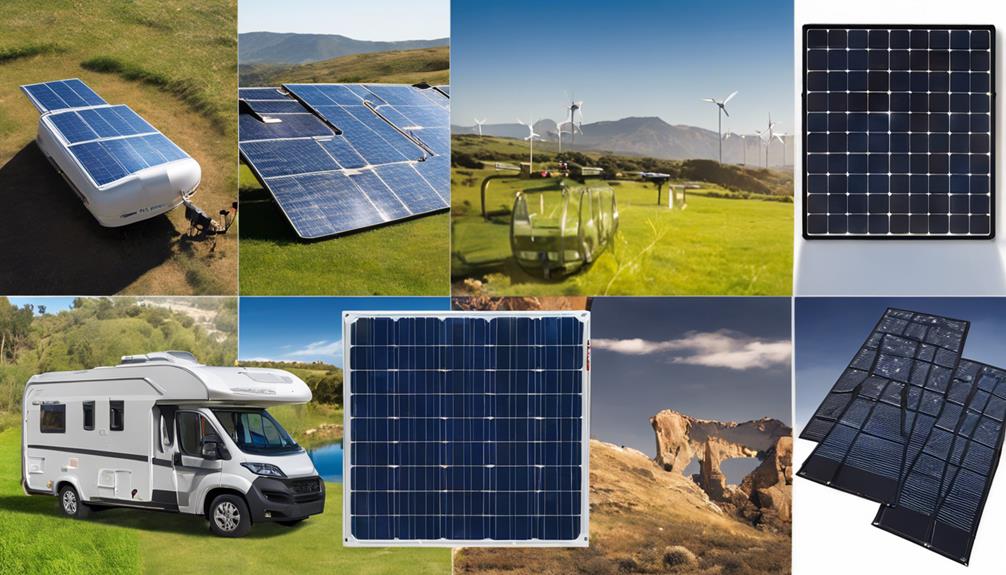
- Portable panels + power stations: 100–400 W kits for camping, emergency charging, small appliances. Affordable, plug‑and‑play for short trips.
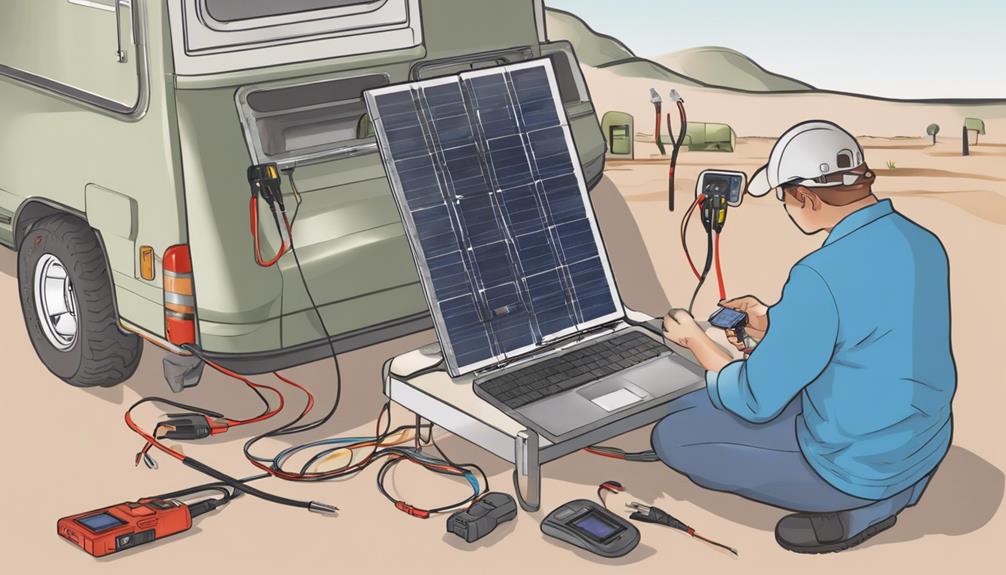
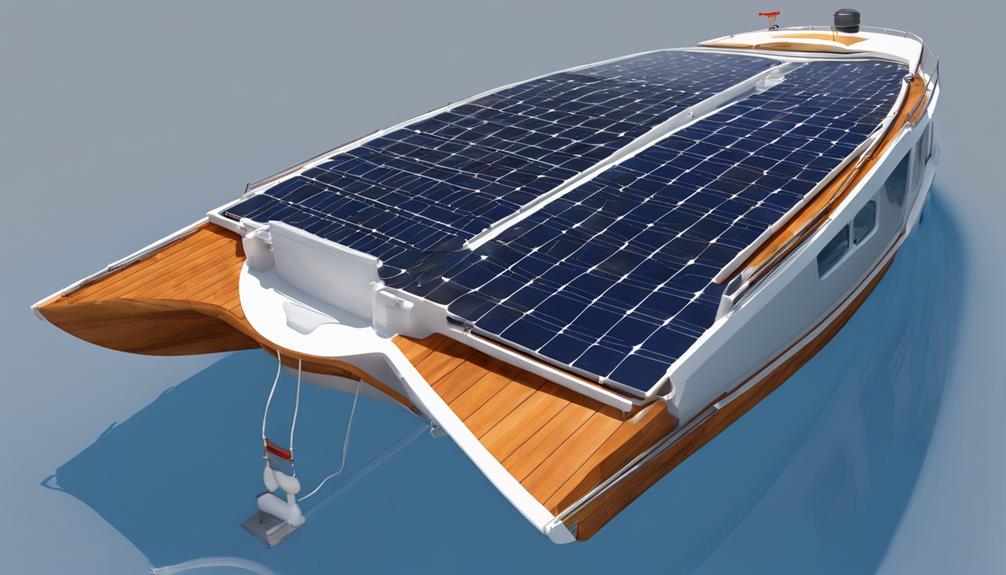
- Small off‑grid/12V kits: Panel(s) + MPPT controller sized to charge batteries for RVs, boats, cabins.
- DIY residential kits: Larger bundles of panels, inverter, and some BOS parts marketed to homeowners comfortable with electrical work. Often still require permit, inspected interconnection, and a licensed electrician for grid ties.
- Contractor-installed grid‑tied systems: Full service: site assessment, permits, interconnection, warranty and performance guarantees. More cost but less risk and hassle.
How to choose a kit — sizing basics
Decide whether you’re sizing by watts (instantaneous output) or kWh (daily/annual energy). Example quick rule: one 400 W panel in good sun may produce ~1.2–2.0 kWh per day depending on location and season. For straightforward math: a 4 kW array is roughly ten 400 W panels (4,000 W ÷ 400 W).
Steps:
- Do a load worksheet: list devices and kWh/day you need backed up or offset.
- Convert target kWh/day into needed array size using local sun hours (PVWatts or local solar map helps).
- Match inverter type to application: string inverter for standard rooftop, microinverters for shading/complex roofs, hybrid inverters to manage batteries + grid.
Costs & what to expect
Small consumer kits (100–400 W) commonly cost in the low hundreds of dollars (product listings at major retailers were checked June 2026). Larger DIY kits and full installed systems run into the thousands. Installed residential systems are typically quoted on a $/W basis and vary by state, installer and site complexity—get multiple local quotes (marketplace services such as EnergySage show local $/W ranges).
Example comparison: a $150 portable 200 W kit can run lights and charge a battery for camping. A full home system sized in kW will require many panels plus inverter, permits and labor and is priced in the thousands—do not expect a small consumer kit to power a whole house.
Permits, interconnection & inspections
For rooftop/grid‑tied systems, permits, inspections and a utility interconnection agreement are usually required. Timelines and requirements vary by jurisdiction; follow local building code and utility steps. The National Renewable Energy Laboratory (NREL) and DOE provide permitting guidance and timeline trackers—check local rules before purchasing a kit intended for grid connection.
Batteries and backup: basics
Battery kits use MPPT charge controllers or hybrid inverters. Key considerations: usable battery capacity (kWh), depth of discharge, round‑trip efficiency, and whether the inverter supports whole‑house backup or only selected circuits. Battery incentives and eligibility rules can differ by state and program—consult DBIRE/DSIRE and a tax advisor for details.
Safety, warranties & when to hire a pro
- Hire a licensed electrician for grid ties and any rooftop wiring you aren’t certified to do.
- Ensure components have manufacturer warranties (panels often 25 years, inverters typically 5–15 years) and check replacement costs.
- Follow installation manuals, local codes, and obtain required inspections to keep your home insurance and utility agreements valid.
Common FAQs
Net metering and export compensation vary by utility—don’t assume retail credit everywhere. For incentives, as of July 3, 2026 the federal Residential Clean Energy Credit (IRC §25D) is not available for property placed in service after December 31, 2025 (IRS guidance reviewed Jan. 12, 2026). Check DSIRE for state/utility programs and consult a tax professional for your situation.
Next steps
Checklist: confirm kit contents, estimate loads, contact your local building department and utility, check DSIRE for incentives, request multiple local installer quotes if considering a larger system, and consult a licensed electrician and tax advisor for legal and tax questions. For policies and permitting details, refer to NREL and your local authority.
Not tax or legal advice — consult a tax professional or licensed electrician for personalized guidance.