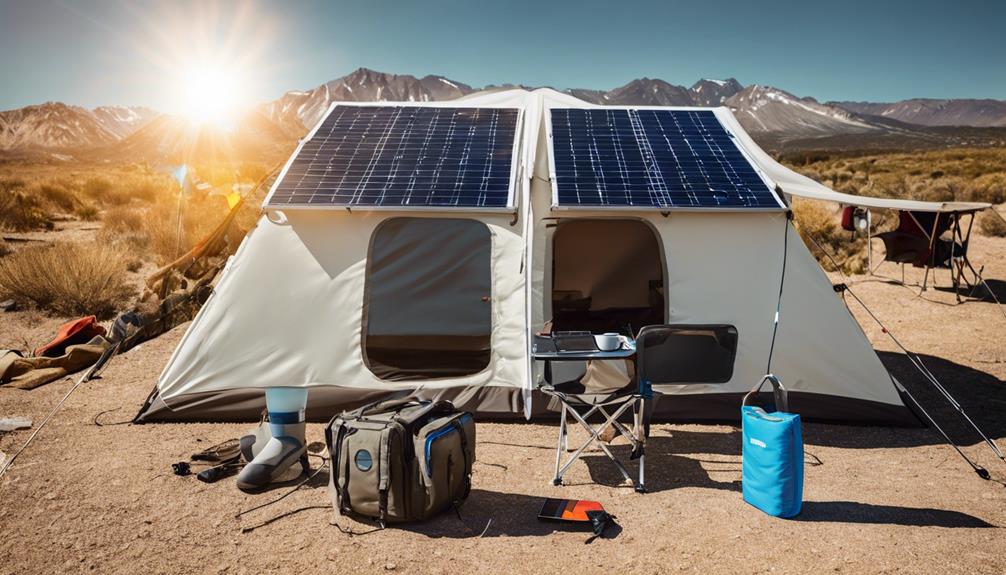
Hook: practical solar for your pocket gadgets
Like a good gadget, portable solar should be useful, not gimmicky. This guide explains realistic ways to keep phones, wearables, and small devices topped up from sunlight: what works, what doesn’t, how to read specs, and practical buying and usage tips.
Why portable solar for gadgets?
Portable solar can do two jobs well: extend daytime use when you’re outdoors and provide a flexible recharge path in a power outage. That said, common myths need busting: small power banks with tiny built‑in solar cells usually produce ~1–5 W and are unreliable as a primary charging source. For real charging you’re better off pairing a high‑capacity power bank or portable power station with an external foldable panel (10–100+ W) that can actually deliver useful energy (GearPrism).
What “portable solar” products exist today?
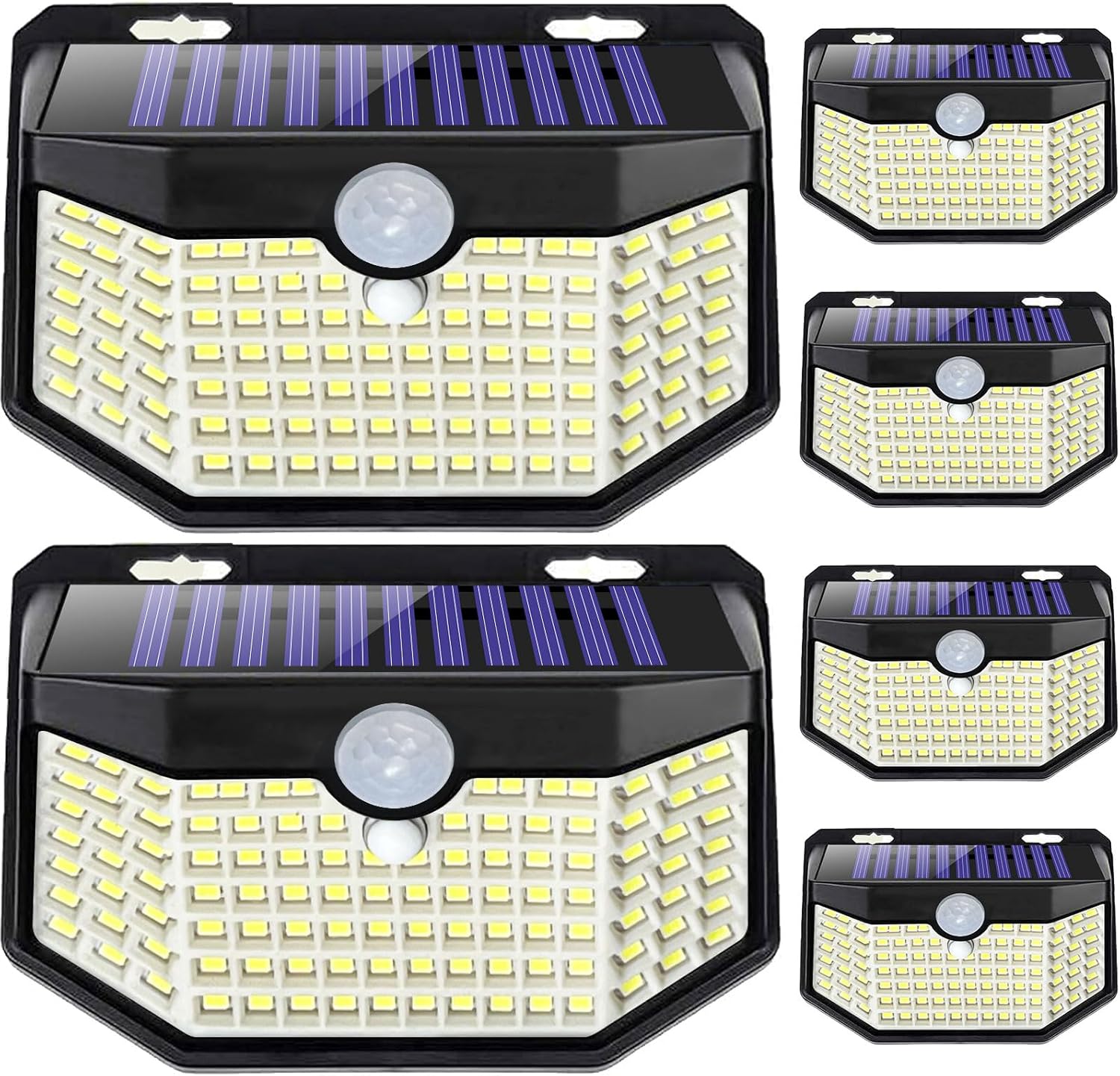
Solar power banks (built‑in panels)
These are battery packs with small PV cells on the case. They’re convenient for emergency trickle charging but expect very slow solar recharge. Best use: short excursions where mains charging is available later.
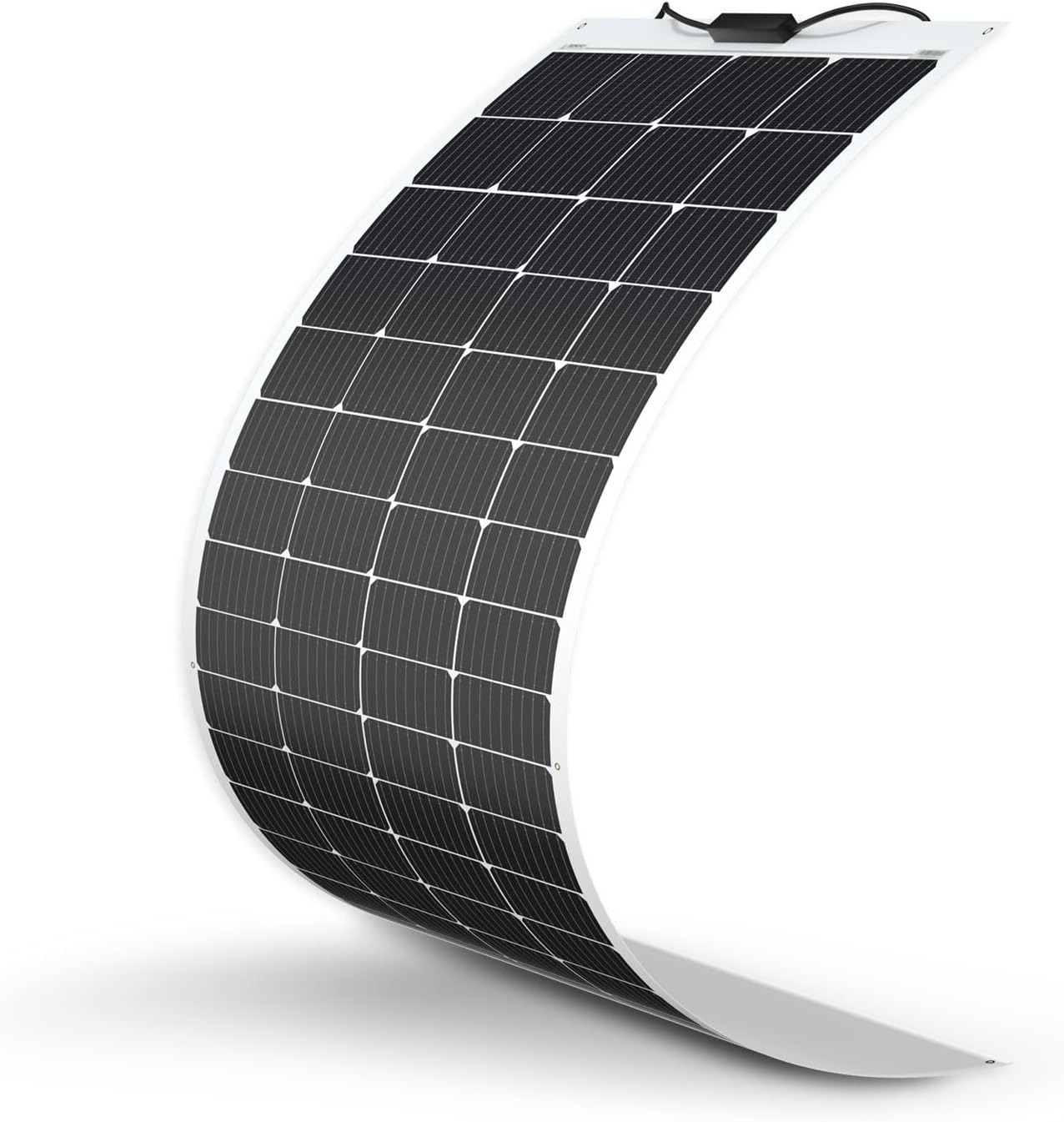
Foldable / portable solar panels
Standalone panels come in sizes from 10 W to several hundred watts. They output DC power you can use to charge power banks or portable power stations. Real output depends on sun, angle, and temperature—nameplate (STC) wattage is a lab rating and overstates real‑world output in many conditions (NREL).
Portable power stations (solar generators)
These are integrated battery systems with AC outlets, 12 V outputs, and USB‑C ports—often used for camping and emergency backup. Newer units use LiFePO4 (LFP) chemistry for longer cycle life and better thermal stability, at the cost of some weight versus other Li‑ion options (Nature).
Charge controllers, inverters, and cables
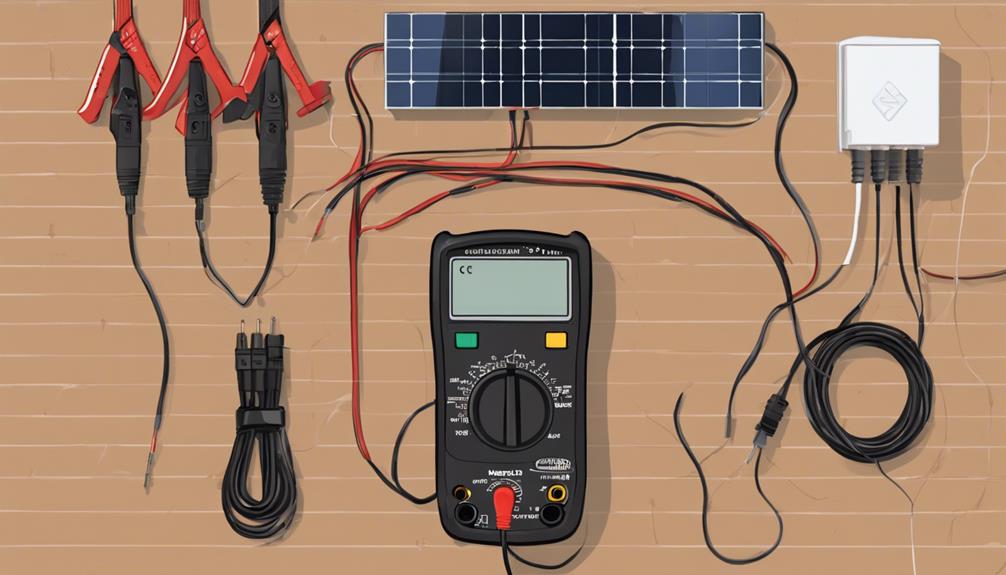
Smaller setups may include simple controllers; larger portable arrays benefit from an MPPT (Maximum Power Point Tracking) controller, which typically harvests 10–30% more energy than older PWM controllers, especially in cold or non‑ideal sun angles (Victron). For device charging, USB‑C with Power Delivery (PD) is the modern standard; PD 3.1 (Extended Power Range) supports up to 48 V and 240 W for high‑power laptops and accessories (USB‑IF).
How to read the specs: watts, watt‑hours, and realistic output
Learn three core terms:
- Watt (W) — instantaneous power (how fast energy is delivered).
- Watt‑hour (Wh) — battery energy capacity (how much energy stored).
- STC (nameplate) — standard test conditions for panel wattage; expect lower real output outdoors (NREL).
Example calculation: a typical smartphone charging at 15 W and a 10,000 mAh power bank rated at 3.7 V has about 37 Wh usable energy (10,000 mAh × 3.7 V ÷ 1000 = 37 Wh). If you have a 20 W foldable panel in good sun, you might see ~20 W for a few peak hours; 20 W × 5 peak‑sun hours ≈ 100 Wh produced. In practice losses (angle, clouds, temperature, controller inefficiency) reduce that—so plan conservatively and expect maybe 60–80% of ideal output.
MPPT vs PWM: pick MPPT for moderate‑to‑large portable setups—it adapts to changing conditions and typically yields ~10–30% more energy in real settings (Victron).
Battery chemistry: LiFePO4 (LFP) lasts longer and is thermally more stable; choose LFP if you prioritize cycle life and safety, and choose higher energy‑density Li‑ion if weight is critical (Nature).
Buying guide: checklist and recommendations
- Match Wh to need: commuter day trips might be satisfied by 20–100 Wh; multi‑day camping or emergency backup usually needs 300+ Wh.
- Panel wattage: 10–30 W panels are fine for trickle and daily topping; 100 W+ panels are practical for charging larger power stations.
- Controller: get MPPT if you expect variable sun, partial shading, or want faster harvest (Victron).
- Ports and standards: prefer USB‑C PD for modern phones and laptops—PD 3.1 enables higher power delivery up to 240 W for capable devices (USB‑IF).
- Safety and certifications: look for UL/CE/UN38.3, overcurrent protection, and reputable brand reviews (Consumer Reports and hands‑on tests are helpful).
- Price bands: budget solar power banks <$50 (token solar), midrange foldables and 200–500 Wh stations $150–800, larger LFP stations $800+—expect rapid model turnover.
Real‑world tips and use cases
- Commuter: carry a 10–20 W foldable panel plus a 20,000 mAh power bank—top up during outdoor breaks.
- Backpacking: weight matters—choose a lightweight panel (10–30 W) and high energy‑density pack; plan for slower solar recharge.
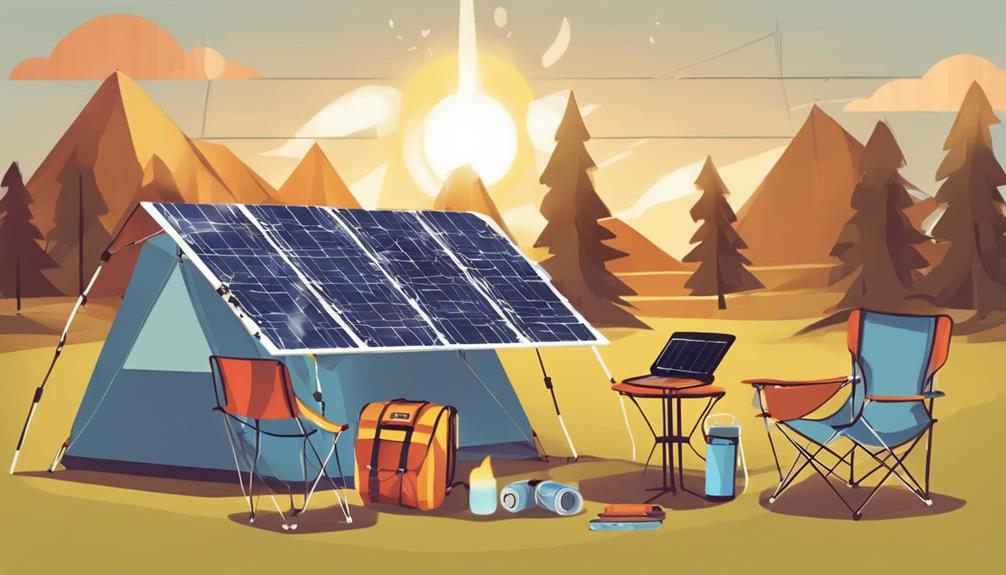
- Car camping / RV: pair 100 W+ panels with a 500–1000 Wh portable power station and MPPT controller for fast daytime charging.
- Emergency backup: prefer LFP power stations for long life and thermal stability.
- Placement: aim panels toward the sun, avoid shadows, and keep batteries cool—heat reduces battery life and charging efficiency.
Safety, durability, and environmental notes
Batteries can fail if abused. Follow manufacturer safety instructions, avoid physical damage, and keep battery packs out of extreme heat. For long‑term reliability choose reputable brands and check for safety certifications. Consider LiFePO4 for better cycle life and thermal stability when lifetime matters (Nature). Recycle used batteries through proper e‑waste programs.
Disclaimer: This article is informational only. Always follow manufacturer instructions for charging and battery handling. This is not legal or professional advice.
Quick product test priorities
- Real‑world panel throughput (W measured under field conditions vs nameplate).
- Charge controller efficiency (MPPT advantage in variable light).
- Port performance: verify sustained USB‑C PD output under load.
- Cycle life and thermal behavior for battery chemistry (LFP vs Li‑ion).
- Durability (zips, seams, connectors) for foldable panels.
Conclusion and next steps
Portable solar can be genuinely useful for gadget lovers if you align expectations with physics: small built‑in panels are handy for emergencies, but pairing an external foldable panel with a quality power bank or a portable power station and an MPPT controller gives practical, repeatable results. Check real‑world watt and Wh numbers, prefer USB‑C PD for modern devices, and choose LFP when lifecycle and safety matter.
Last updated: 2026-07-02. Product models and standards evolve—double‑check current spec pages before buying.
Recommended visuals (for editors): diagrams for (a) watts vs Wh conversion, (b) MPPT concept vs PWM (simplified IV curve), and (c) photo comparison: small solar bank vs 100 W foldable panel vs 500 Wh portable power station. Include alt text and measured example captions where possible.