Lede
Portable solar chargers can keep your phone powered off‑grid if you size and use them correctly. This guide explains how they work, realistic performance limits, a worked sizing example, a buying checklist, and safe usage tips.
What you’ll learn
Read on to learn the basic solar → battery → phone workflow, key specs (W and Wh), why MPPT matters, how to estimate daily harvest, and practical tips for backpacking, travel, or emergencies.
How solar phone charging actually works
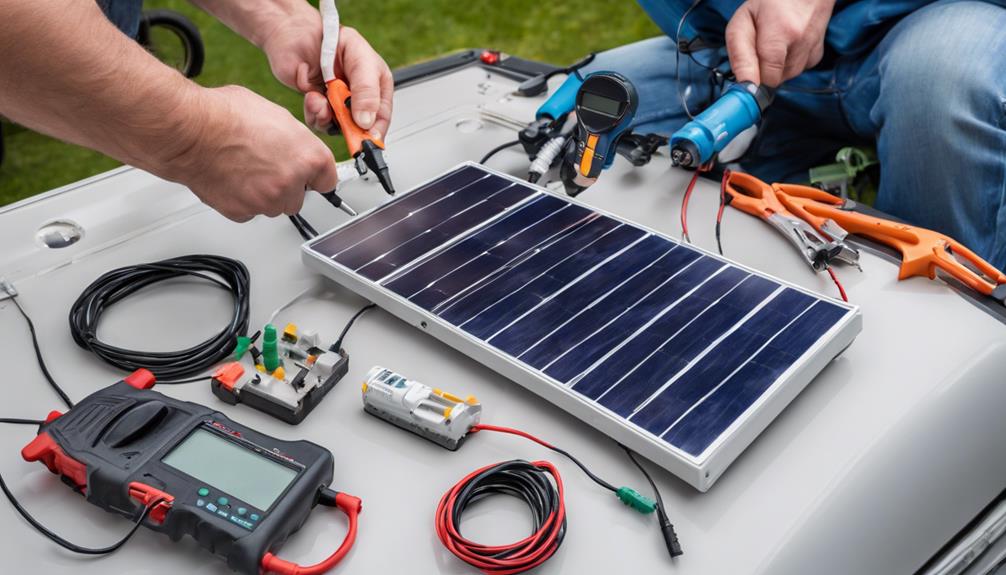
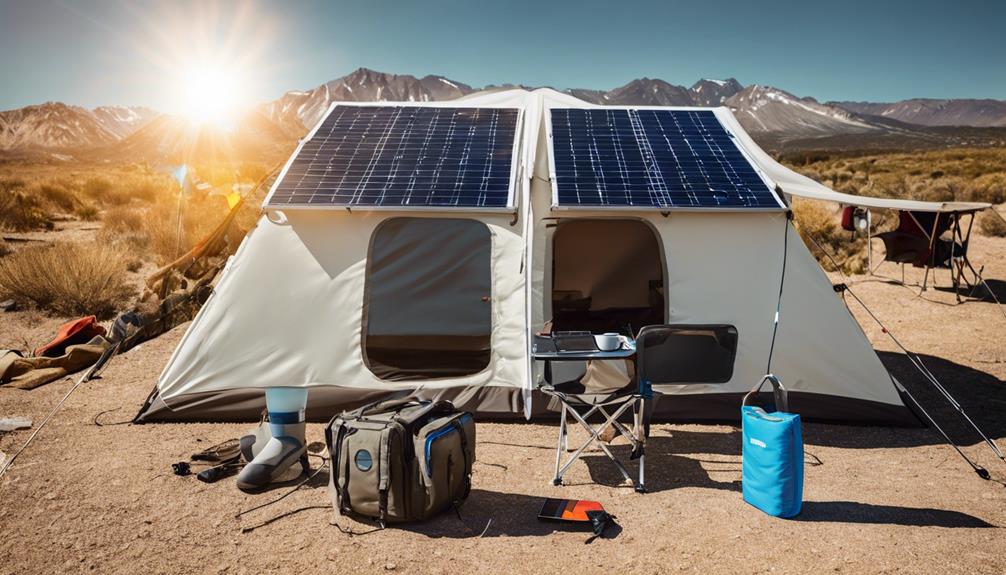
Portable solar chargers use photovoltaic (PV) cells to convert sunlight into DC electricity. In practice you’ll see one of two useful setups:
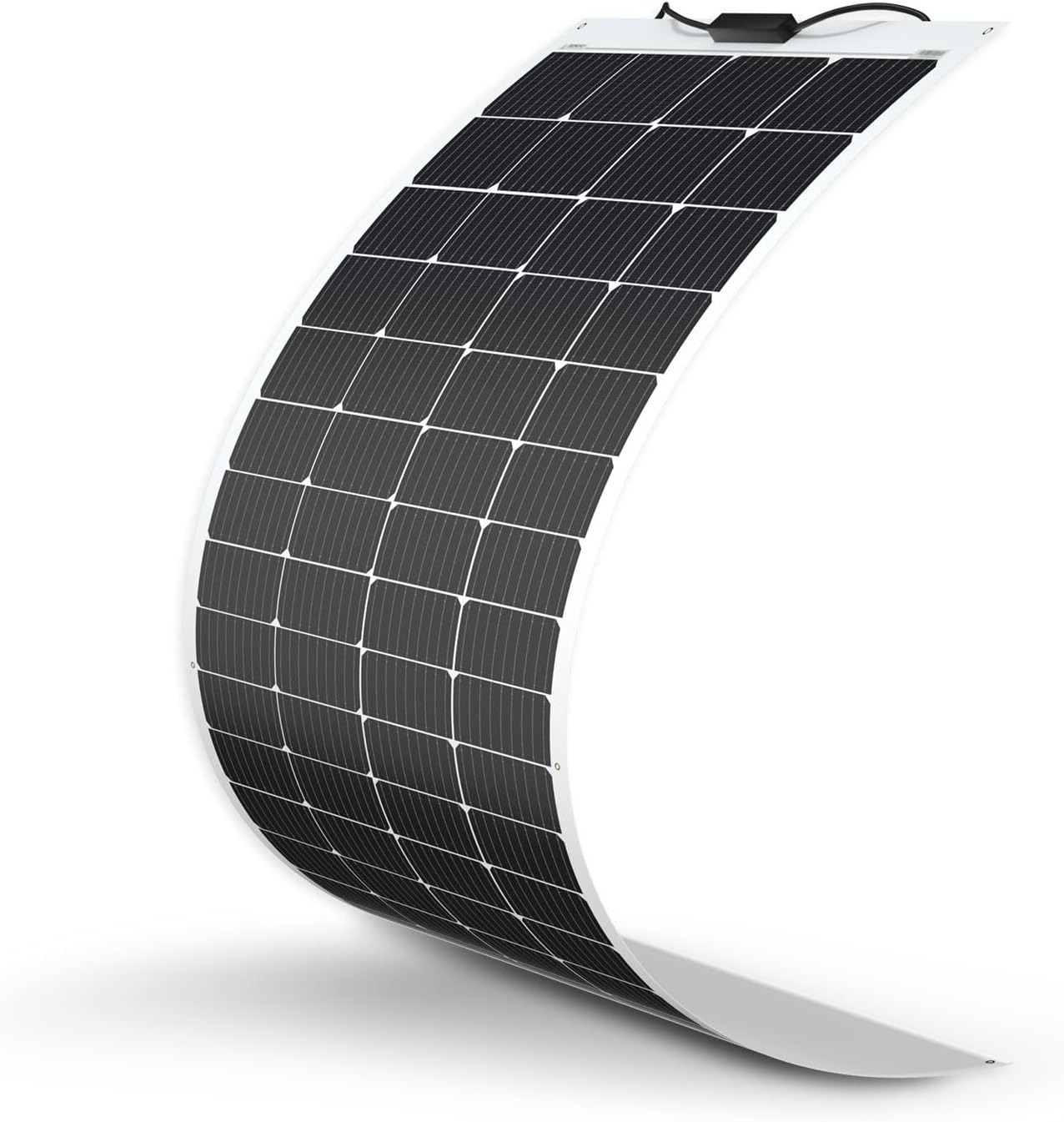
- Foldable solar panel (portable solar charger) that produces DC or USB power directly.
- Solar panel + solar power bank (solar battery pack): the panel recharges the battery pack during the day; you plug your phone into the battery pack as needed.
Best practice: use a solar panel to recharge a power bank during daylight, then charge your phone from the power bank. Panel wattage is a peak, laboratory‑condition rating; expect less harvest in real conditions. Standard test conditions (STC) assume peak irradiance near midday (~1 kW/m²). Real output drops with angle, shading, soiling and temperature.
Types and key components
Common options:
- Panel‑only: lightweight, folds up, may offer USB outputs. Good for ultralight use but often lacks buffering or device‑grade regulation.
- Panel + integrated battery: convenient all‑in‑one but heavier; integrated miniature panels on a power bank are usually slow for recharging the internal battery.
- Dedicated solar power bank or portable power station: larger Wh capacity, regulated USB‑C PD outputs and BMS for safe charging.
Charge controllers: MPPT (maximum power point tracking) harvests noticeably more energy than PWM controllers in many conditions (especially when panel voltage exceeds battery voltage or when conditions are non‑ideal); MPPT is a strong feature for reliable, faster harvest. MPPT adds cost and complexity but improves real‑world yield, especially with larger panels or variable sun.
Sizing and a realistic worked example
Two common unit types: panel watt rating (W) and battery energy (Wh). Phone batteries are often specified in mAh at nominal cell voltage; converting to Wh is more useful for energy math (Wh = mAh × V / 1000). Expect conversion losses when charging (inverter/boost and cable inefficiencies), so assume ~80–90% efficiency from bank to phone and ~50–75% of panel STC output in real conditions depending on angle and cloud cover.
Worked example
Scenario: 15 W foldable panel and a 10,000 mAh power bank (typical phone battery ≈ 3,000–4,000 mAh).
- 10,000 mAh × 3.7 V ≈ 37 Wh stored energy in the battery cells.
- Usable energy after BMS and boost to 5 V ≈ 37 Wh × 0.88 ≈ 33 Wh (assume 88% usable).
- Panel ideal STC: 15 W. Under good sun assume 5 peak sun hours (midday intensity) and a real‑world factor of 60% (angle, heat, partial shading): daily harvest ≈ 15 W × 5 h × 0.60 ≈ 45 Wh.
- So the panel could replenish ~45 Wh per good day — enough to fully recharge the 10,000 mAh bank in about 45/33 ≈ 1.4 days of good sun (one to two days), and that bank could then charge a typical 3,000 mAh phone about 2–3 times depending on phone losses.
Change any assumption and results shift quickly: fewer sun hours, more clouds, or a smaller panel will lengthen recharge time.
Buying checklist
- Watt rating: higher W → faster harvest in sun, but consider weight and packability.
- MPPT vs PWM: Look for MPPT controllers and USB‑C PD outputs if you want the most usable energy and fastest device charging.
- Battery capacity in Wh (not just mAh); check usable Wh after BMS losses.
- USB‑C Power Delivery (PD) / PPS / Quick Charge support for fast phone charging.
- IP rating (IP65/IP67) for dust/water resistance when used outdoors.
- Battery Management System (BMS) and certifications (CE/UL/UN38.3) to ensure safe cells and legal shipping.
- Weight and folded size — critical for backpacking.
- Panel cell type (monocrystalline usually more efficient than polycrystalline or thin film).
- Manufacturer warranty and reputation; check reviews for real‑world performance.
Usage tips
- Keep panels perpendicular to the sun and re‑angle during the day; avoid shade.
- Keep panels clean of dust and bird droppings; soiling reduces output noticeably.
- Charge the power bank in daytime, then charge phones from the bank — use the panel as the daytime source and the bank as buffer.
- Avoid charging in extreme heat; batteries age faster at high temperatures.
- Use quality USB‑C cables and keep connector contacts dry and clean.
- Be realistic: small integrated panels on a power bank are usually only trickle chargers in emergency use.
Safety and battery health
Modern phones and power banks use Li‑ion cells with BMS and charge management. Phones implement optimized charging and will stop accepting charge near 100%, reducing overcharge risk. Still, heat and repeatedly keeping a battery at 100% State‑of‑Charge will accelerate long‑term aging. Avoid cheap, uncertified packs — look for proper certifications and a visible BMS specification. Store batteries at partial charge in cool, dry conditions for long‑term storage.
Limitations — when not to rely on solar
Solar is unreliable under heavy canopy, during extended cloudy periods, at high latitudes in winter, or when you need continuous high‑power use (live streaming, long navigation on screen). In those cases a larger power station plus fuel generator or planned recharging opportunities is a better plan.
Quick recommendations
For day hikes and travel, a 10–20 W foldable panel + 10,000–20,000 mAh solar power bank with USB‑C PD and MPPT offers a good balance. For emergency kits, prioritize certified batteries with respectable Wh ratings and an IP‑rated panel. Test your setup at home so you know real recharge times for your gear.
Further reading
- NREL — Solar 101 and panel performance: https://www.nrel.gov/docs/fy24osti/90582.pdf
- REI — Choosing Solar Chargers: https://www.rei.com/learn/expert-advice/solar-chargers-portable-power.html
- Battery University — Li‑ion charging: https://batteryuniversity.com/article/bu-409-charging-lithium-ion/
- MPPT vs PWM explanation — Solarcraft: https://www.solarcraft.net/resources/articles/pwm-vs-mppt-solar-charge-controllers