Quick summary
Solar energy — primarily photovoltaic (PV) systems that convert sunlight into electricity — now spans from tiny portable chargers to multi‑gigawatt utility farms. Global PV capacity surpassed roughly 2.26 TW by the end of 2024 and continued rapid growth into 2025, making solar a leading source of new renewable capacity worldwide (IEA‑PVPS, 2025). Solar PV is also among the cheapest new generation options globally (IRENA reports a global weighted LCOE near USD 0.043/kWh in recent analyses) (IRENA, 2024/2025).
How solar works — PV vs solar thermal, and the main components
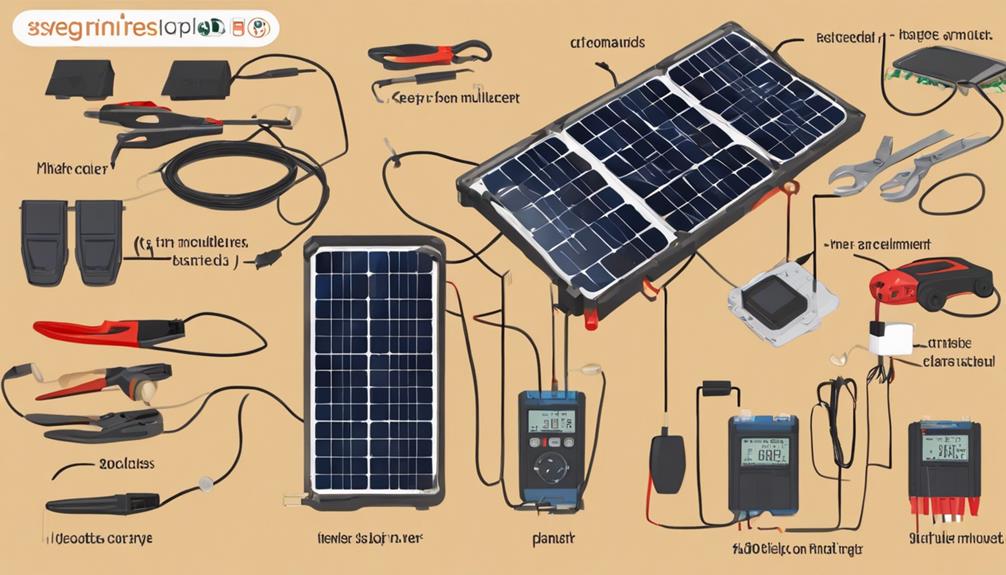
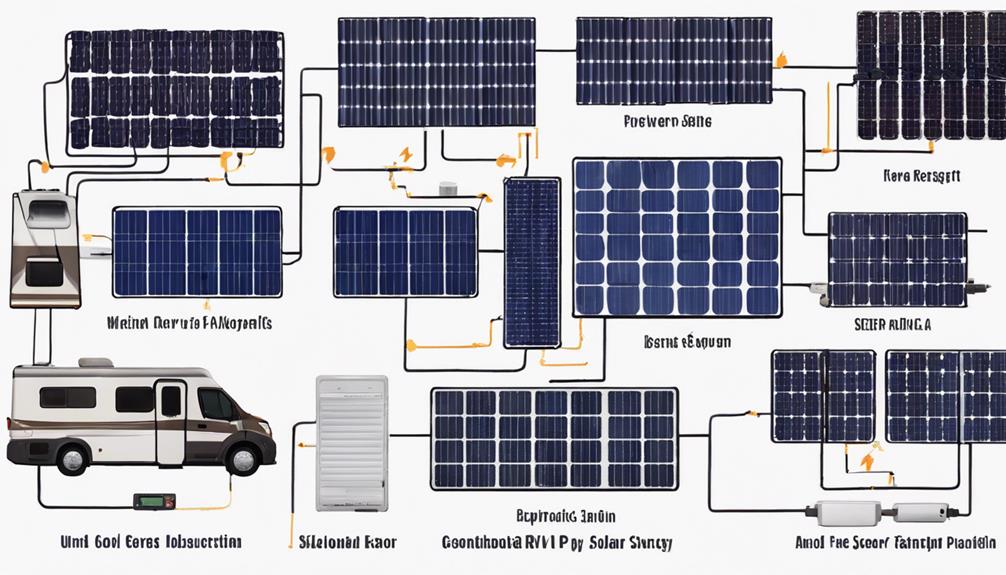
Most rooftop and distributed systems use solar PV: silicon or thin‑film cells that produce DC electricity when exposed to light. Key components include the solar panels (modules), an inverter to convert DC to AC for household use, racking and wiring, and optionally battery storage for later use. Concentrating solar power (CSP) uses mirrors and heat engines for large thermal plants and is used mostly at utility scale.
Scales and common uses
Small devices and off‑grid gear
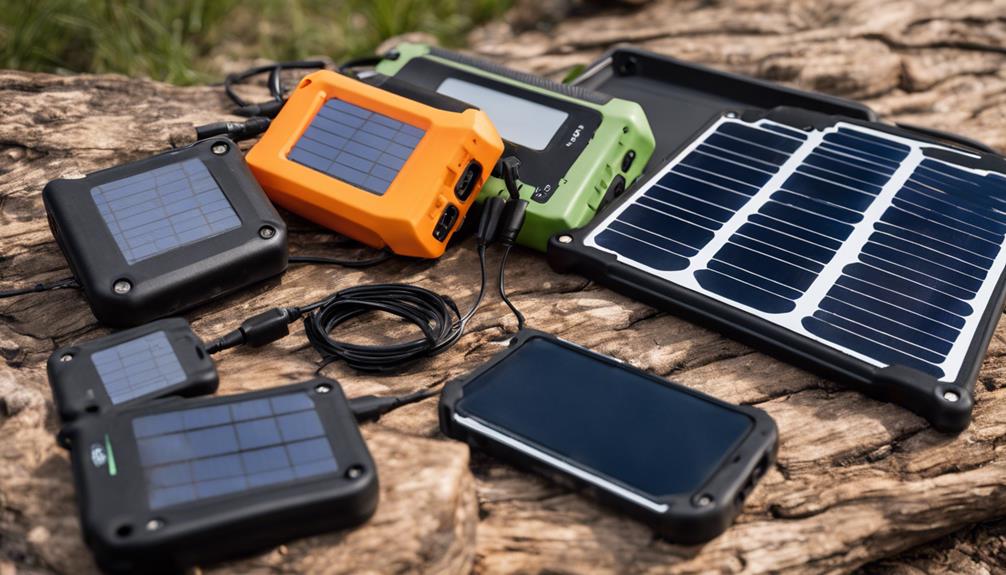
Small PV cells power garden lights, calculators, and portable chargers. Modern portable panels and battery packs provide reliable charging for camping and emergency kits.
Rooftop residential systems
Rooftop systems typically range from a few kW to 15 kW for most homes. Benefits include lower electric bills, reduced grid dependence, and increased home resilience when paired with batteries. Federal incentives have helped adoption; for U.S. homeowners the Residential Clean Energy Credit covered 30% of qualified costs for systems placed in service from 2022 through December 31, 2025 — check the IRS guidance and current dates before you decide (IRS, updated July 4, 2026).
Commercial and industrial (including BIPV)
Commercial rooftops and parking canopies host larger PV arrays. Building‑integrated photovoltaics (BIPV) and solar shingles integrate generation into building materials for aesthetic or space‑constrained projects.
Utility‑scale solar and grid integration
Utility solar farms operate at multi‑MW to GW scale and often pair with battery storage to manage variability and provide grid services. Solar + storage is a fast‑growing segment in many countries, helping solar contribute reliably to power systems (EIA, U.S. trends).
At a glance: power scales and typical uses
| Scale | Typical power | Example uses | Notes / cost |
|---|---|---|---|
| Small devices | mW–W | Lights, chargers, sensors | Low cost; plug‑and‑play |
| Residential rooftop | 3–15 kW | Whole‑house offset, EV charging | Typical system payback varies by electricity price & incentives |
| Commercial / C&I | 50 kW–several MW | Warehouses, malls, factories | Often combined with demand management and storage |
| Utility‑scale | tens of MW–GW | Grid generation, wholesale markets | Lowest LCOE per kWh; needs transmission & storage planning |
Costs, economics, and incentives
Solar costs have fallen dramatically over the past decade. IRENA’s analysis shows solar PV among the lowest LCOE options for new power globally (~USD 0.043/kWh, recent reports) (IRENA). In the U.S., deployment growth and domestic manufacturing expanded in 2024–2025, and federal incentives have played a key role in supporting residential and commercial projects (SEIA, industry reports).
Note: net metering and compensation for exported electricity vary by state and are changing in many jurisdictions. Community solar programs and net‑billing reforms are evolving; check your state or utility for local rules (NREL, community solar).
Installation, maintenance, and practical tips
- Siting: south‑facing roofs with limited shade yield best output in the Northern Hemisphere; systems still work in diffuse light.
- Lifetime & warranties: panels commonly warrant 25 years for performance; inverters and batteries have shorter warranties.
- Maintenance: mostly cleaning and periodic checks—professional inspections every few years are recommended.
- Get multiple quotes and ask for modeled production for your address and tilt.
Environmental & social benefits and limits
Solar cuts operational greenhouse gas emissions and has a relatively low lifecycle footprint compared with fossil fuels. Considerations include land use for large plants, materials recycling at end‑of‑life, and supply‑chain impacts—areas where policy and industry recycling programs are improving performance.
Quick checklist for homeowners and small businesses
- Assess roof size, age, orientation, and shade.
- Estimate your annual kWh use from utility bills.
- Get 2–3 installer quotes with production estimates.
- Confirm local incentives, net‑metering rules, and permit needs.
- Consider battery storage if you want backup power or time‑of‑use savings.
Request site evaluations from local installers, verify current federal/state incentives (IRS guidance updated July 4, 2026), and ask installers for a simple payback and savings estimate for your tariff. Information is accurate to July 12, 2026; incentives and rules vary by state and can change — consult the IRS, your state utility, or a certified installer for current details (IRS).
Sources & further reading
- IEA‑PVPS Trends in Photovoltaic Applications 2025 (global installations & capacity) — https://iea-pvps.org/trends_reports/trends-2025/
- IRENA, Renewable Power Generation Costs report (2024/2025) — https://www.irena.org/Digital-Report/Renewable-Power-Generation-Costs-in-2024
- NREL — Community solar and distributed PV resources — https://www.nrel.gov/state-local-tribal/community-solar
- EIA — U.S. solar + storage trends — https://www.eia.gov/TODAYINENERGY/detail.php?id=64586
- IRS — Residential Clean Energy Credit (page updated July 4, 2026) — https://www.irs.gov/credits-deductions/residential-clean-energy-credit
Alt text suggestion for images: “Rooftop solar panels on a suburban home”. Caption suggestion for charts: “Historic global annual PV additions and cumulative capacity (source: IEA‑PVPS).”