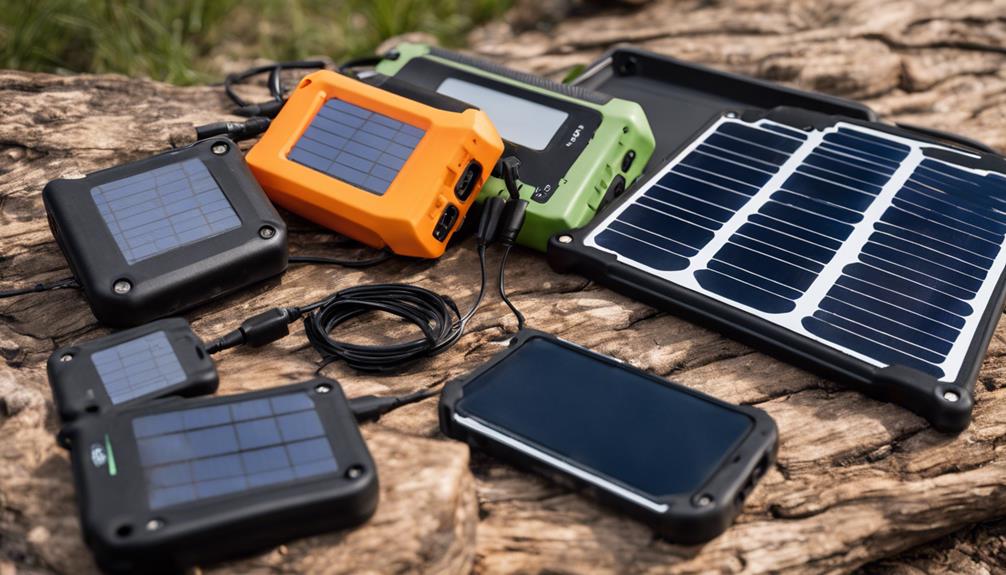
Quick answer — can you get free used solar panels?
Yes — people often obtain free or deeply discounted used PV modules, but reuse requires careful checks for performance, safety, ownership and code compliance. This guide explains common sources, a practical inspection checklist, regulatory cautions, and reuse vs recycling decisions so you can evaluate “free used solar panels” realistically.
Who benefits — and when to avoid used panels
Used PV modules are a good option for DIYers, off‑grid hobby projects, community energy education, and low‑budget installations where warranties and incentive eligibility are not required. They are less appropriate when you need bankable long‑term performance for a grid‑tied, incentive‑backed system or when an installer or utility requires UL‑listed, new equipment.
Where people commonly find free or very cheap used panels
- Municipal/state surplus and auctions — governments sometimes sell decommissioned solar equipment on GovDeals, PublicSurplus or local auction sites (search “solar panels” or “PV modules”) (example: GovDeals listings).
- Traffic signs and road-message boards — contractors replace solar sign arrays; decommissioned signage is often sold or scrapped.
- Installers and refurbishers — scrap/returns, demo equipment, or systems upgraded by owners.
- Insurance salvage — hail- or storm‑damaged arrays can appear at steep discounts; sellers usually list them “as‑is.”
- Peer-to-peer marketplaces — Craigslist, Facebook Marketplace, Freecycle, and local classifieds often list used modules; treat listings as-is and verify ownership.
Action step: set search alerts on auction sites and marketplaces, and ask municipalities or sign contractors if they catalogue decommissioned arrays.
Inspection checklist before you accept or buy
Before committing to free used solar panels, verify these items in person where possible:
- Nameplate and datasheet: model, manufacturer, rated power, and manufacture date. If unknown, a module datasheet helps match electrical specs and expected output.
- Visual condition: check for cracked glass, delamination (bubbling/peeling), corrosion at the frame or junction box, broken cells, and severe discoloration or burn marks.
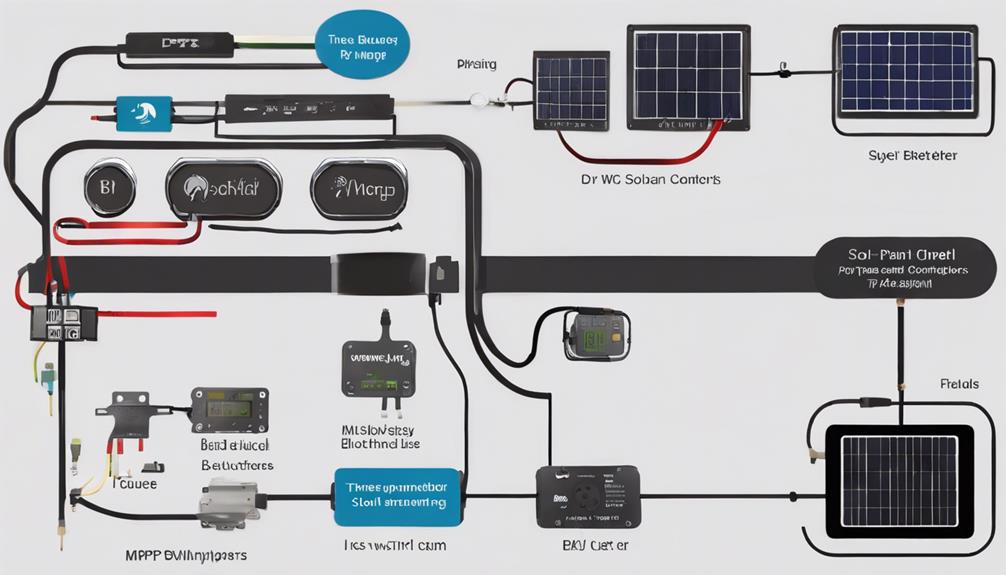
- Junction box and wiring: inspect connectors for corrosion or melted insulation; damaged junction boxes are a common failure point.
- Functional test: measure open‑circuit voltage (Voc) and short‑circuit current (Isc) under sun, or request a seller-provided IV curve or recent production readings. Measured output lets you estimate remaining capacity. Where possible, measure multiple modules under similar conditions.
- Provenance and paperwork: ask why the modules were removed, whether they were part of an insurance claim, and for proof of legal ownership or removal authorization.
- Ask about warranty/transferability: most original warranties do not transfer to third‑party buyers — confirm before assuming coverage.
Before you accept free panels: get model/date, see them working, and ask why they were removed.
Safety, code and regulatory considerations
Reusing PV modules can be part of a circular‑economy approach, but reuse and reconditioning must satisfy electrical code and safety rules. UL and local code authorities note that reconditioned equipment may require separate testing or certification, and many installers will decline to design or commission systems with uncertified, owner‑supplied modules (check UL guidance on reconditioning) (verify UL guidance as of publication date).
Modules contain metals such as lead, silver, and tin; some thin‑film technologies include cadmium (CdTe). Whether a discarded module is hazardous waste depends on chemical leaching tests (TCLP) and state rules — consult EPA guidance on solar panel EoL regulations and your state environmental agency (EPA, verify date).
For grid connection, always consult a licensed installer and local permitting authorities rather than attempting unpermitted wiring. This page does not provide step‑by‑step electrical instructions.
Reuse vs recycle vs scrap — when to choose each
- Reuse/refurbish: acceptable when modules pass visual and electrical tests and produce a meaningful portion of their rated power. DOE and NREL identify reuse as viable but note economic and regulatory barriers (DOE/NREL guidance, verify date).
- Refurbish/remanufacture: for modules with isolated defects that can be fixed (junction box replacement, frame repair) by qualified technicians and retested.
- Recycle: choose recycling for delaminated, shattered or chemically compromised modules; certified recyclers recover glass, silicon, and metals and manage hazardous constituents per EPA/state rules.
Cost and performance considerations
Even “free” panels are not costless: removal, transport, racking, inverters or MLPE, permits, and installation labor add expense. Modern crystalline silicon modules typically degrade slowly; studies commonly use ~0.3–0.8%/year (industry standard ~0.5%/yr is often assumed) — many used modules still produce a large share of rated output (literature on degradation, verify date).
Consumer‑safety and scam warnings
- Marketing “free solar panels” can mean third‑party ownership (leases/PPA) — don’t assume you gain ownership. Verify transfer documents and clear title.
- Beware pressure sales, unverifiable claims about output, or sellers who refuse inspection. Require the ability to test modules first.
Short FAQ
- Are used panels eligible for tax credits? Usually not; eligibility varies by program and date—verify with IRS or your state energy office.
- Will an installer accept owner‑supplied modules? Some will; many require inspection, documentation, or certification and may charge extra or refuse.
- How long will a used module last? Depends on age, degradation rate (~0.5%/yr typical for crystalline silicon) and condition; test output to estimate remaining life.
- Can broken modules be recycled? Yes—use a certified solar recycler; check EPA/regional recycling options.
Resources
- EPA — Solar panel recycling & end‑of‑life guidance (verify date)
- DOE — End‑of‑life management for solar photovoltaics (verify date)
- GovDeals — example surplus auction platform
- UL — reconditioning and certification context (verify date)
Disclaimer: This page offers general information, not electrical or legal advice. For grid‑tied installations, reuse in occupied buildings, or questions about hazardous‑waste rules and incentives, consult a licensed installer and local authorities.