Current as of July 7, 2026.
Quick answer: sometimes — but not for everyone
There is no single national program that hands out rooftop solar to every household. However, targeted income‑qualified grants, state and nonprofit programs, and community solar projects can deliver no‑cost or deeply subsidized solar to eligible households. This guide explains what “free” usually means, legitimate pathways, risky offers to avoid, and practical next steps.
What “free” usually means
When companies or ads say “free solar panels,” they generally mean one of the following:
- No‑cost installation for eligible households: Some grant programs or pilot initiatives cover all upfront system costs for income‑qualified homeowners. These are limited by funding and eligibility. See the Department of Energy’s consumer guidance for examples: DOE: Free Solar Panels? Don’t Get Burned.
- $0 down financing: Leases, PPAs (power purchase agreements), or loans that require little or no upfront payment but create long‑term contracts and payments — not truly free.
- Community solar subscriptions: You don’t install panels, but you subscribe to an off‑site array and receive bill credits; no rooftop required and often no installation cost for subscribers.
Legitimate no‑cost or low‑cost pathways
Here are common, legitimate ways people access little‑or‑no‑cost solar:
- Solar for All and grant‑funded programs: Federal/state awards and nonprofit projects — for example, Solar for All‑type initiatives funded through Greenhouse Gas Reduction Fund awards — can fully fund installations for qualified households. Availability depends on state awardees and program rules; check your state’s program pages. See the EPA announcement on recent awards: EPA: Solar funding examples.
- Community solar: A practical route for renters, shaded roofs, or those who can’t or won’t install panels. Subscribers get utility bill credits; program design and savings vary by state and utility. Learn more from DOE’s community solar overview: DOE: Community Solar.
- Utility pilots and nonprofit installs: Some utilities or community action agencies run targeted pilots offering free or subsidized systems to low‑income customers.
Always verify eligibility and awardee status with your state energy office or program administrator.
Cheaper alternatives — and tradeoffs
If you don’t qualify for a grant, these options may lower costs but come with tradeoffs:
- Loans or tax incentives: Low‑interest loans plus the federal Investment Tax Credit (ITC) can reduce net costs for many homeowners. Module prices have fallen dramatically in recent years, but total installed costs still depend on balance of system (BOS) factors like racking, wiring, permits, and labor; see cost trends: IRENA cost report.
- Refurbished/used panels: You can find used modules from surplus sales or auctions, but expect lower reliability and little or no transferable warranty. Used panels require testing and careful inspection; end‑of‑life and recycling rules are evolving: EPA report on PV end‑of‑life.
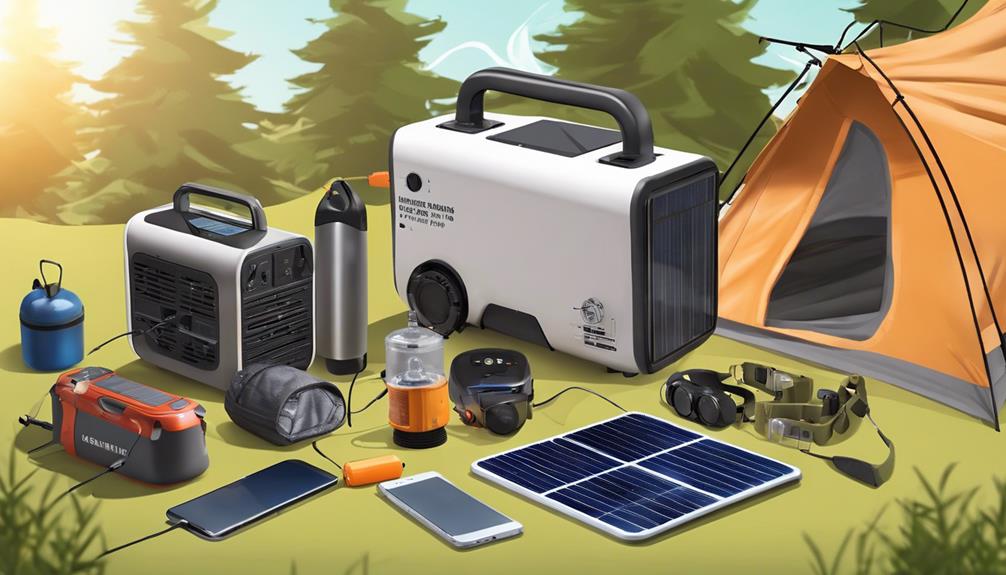
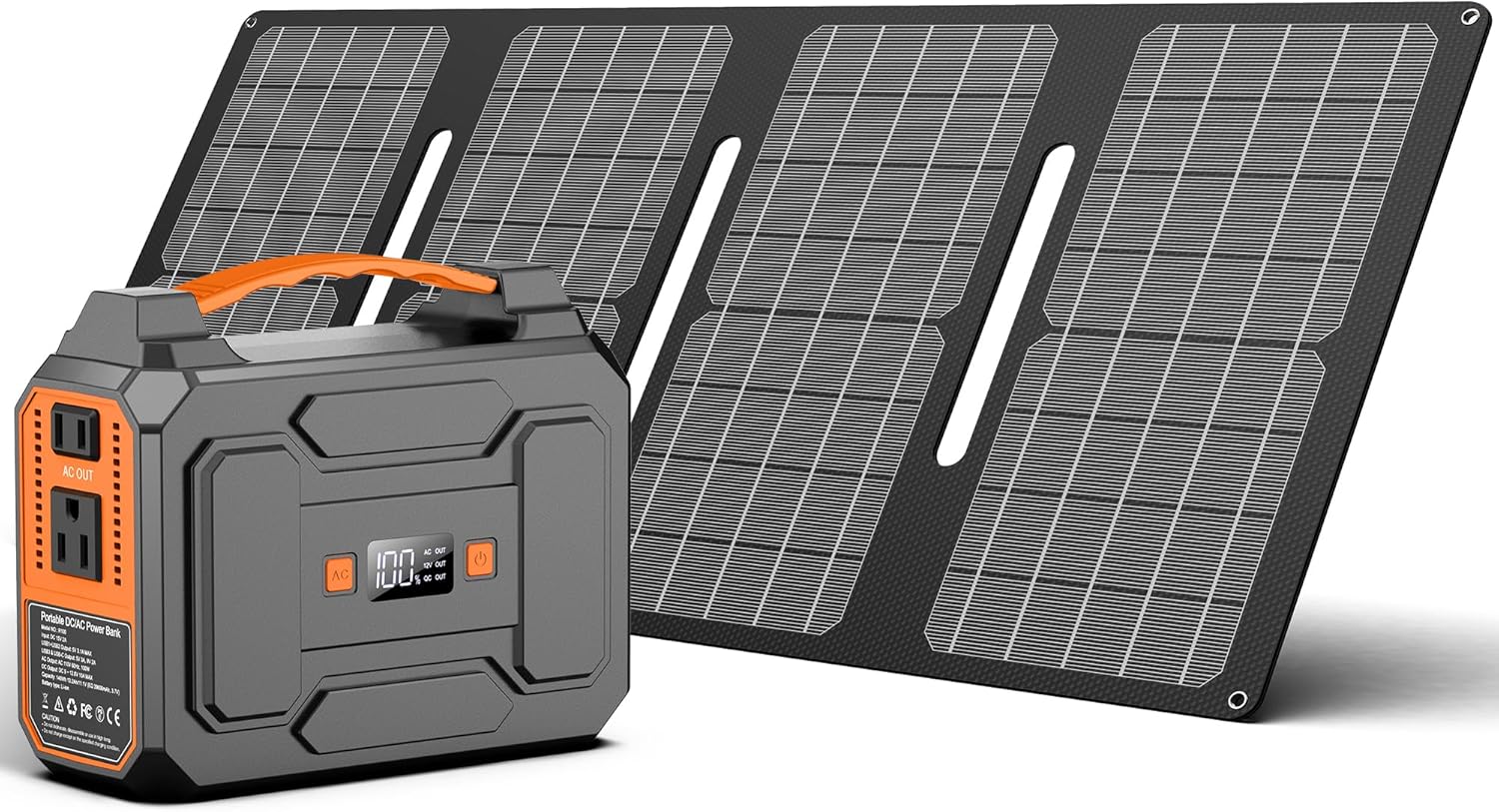
- DIY kits: Small off‑grid or shed kits can be cost‑effective for limited loads. Full rooftop DIY grid‑tied installs carry safety, permitting, and interconnection risks and may void manufacturer warranties: EnergySage: DIY pros & cons.
Red flags and consumer protections
Watch for high‑pressure door‑to‑door sales, vague “free” claims without eligibility details, requests for upfront personal information, or contracts that are hard to exit. Many “$0 down” deals are financing arrangements — read terms for length, transferability, and buyout options. If in doubt, verify offers with your state energy office, local utility, or the DOE consumer guidance page linked above.
Safety, warranties, and recycling
Used or DIY installations can raise safety and permitting concerns. Manufacturer warranties may not transfer to second owners or owner‑installed systems. Disposal and recycling of panels is a growing regulatory and technical area — some states and manufacturers now offer take‑back or recycling programs, but infrastructure is inconsistent. For EoL guidance and planning, consult the EPA report linked earlier.
Practical next steps — checklist
- Check local incentives and programs on DSIRE and your state energy office.
- Ask your utility about community solar options and eligibility.
- Search for Solar for All or other grant awardees in your state (state energy office or EPA announcements).
- Get at least three written quotes that show system size, BOS costs, warranty details, permit costs, and interconnection fees.
- If considering used panels or DIY, request testing documentation, check local codes, and factor in inspection and interconnection requirements.
Short FAQ
Can renters get “free” solar? Often yes through community solar; rooftop grants are usually for homeowners.
Are used panels worth it? Sometimes for off‑grid or experimental use, but expect shorter life and limited warranty.
Who to trust? Verify program details with .gov pages, your utility, and local nonprofits before signing anything.
Authoritative resources: DOE consumer guide, DOE community solar, EPA Solar for All press release, IRENA cost report, EPA PV end‑of‑life report, EnergySage DIY guide, and DSIRE.
This page is informational only and not legal, tax, or financial advice. Verify program terms and eligibility with program administrators, your state energy office, or utility.