Lead summary / Resumen
Solar photovoltaic (PV) — energía solar fotovoltaica — is one of the fastest‑growing sources of electricity worldwide. By the end of 2025 global cumulative PV capacity neared roughly 3 terawatts, with record annual additions in 2025, showing that solar is central to recent efforts to improve energy security and cut exposure to volatile fuel markets (IEA‑PVPS, 2026: https://iea-pvps.org/snapshot-reports/snapshot-2026/?utm_source=openai). Solar is not a cure‑all, but deployed with storage, smart grid tools and policy support it can reduce bills, lower emissions and make power systems more resilient.
How solar PV works (Cómo funciona la energía solar fotovoltaica)
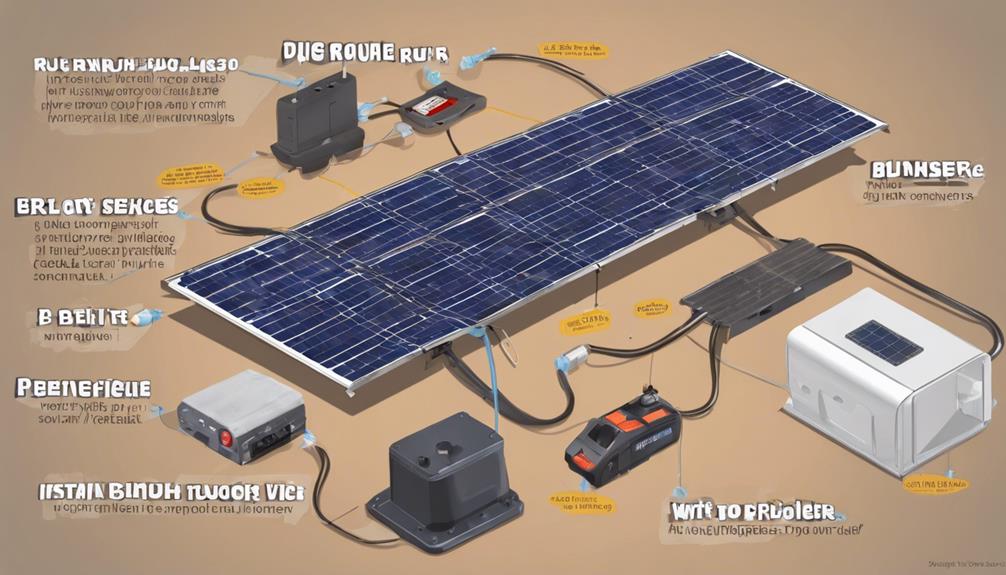
Solar PV panels (paneles solares fotovoltaicos) turn sunlight into electricity through semiconductor cells. The basic flow is:
- Sunlight hits PV cells → generates direct current (DC).
- An inverter converts DC → alternating current (AC) for home use or export to the grid.
- Excess generation can charge batteries (solar + BESS), be exported under net metering/facturación neta, or be curtailed.
Key terms: rooftop solar (solar en tejados), utility‑scale solar (solar a escala de red), solar‑plus‑storage (solar más almacenamiento), LCOE (coste nivelado de la electricidad), and capacity factor (factor de capacidad).
Why solar matters for the current energy crisis
- Price stability and lower bills: Rooftop PV lets households and businesses buy less electricity from price‑volatile wholesale markets and imported fuels. Where solar reaches grid parity, it becomes among the cheapest source of new power (NREL / local LCOE studies: https://www.nrel.gov/solar/market-research-analysis/solar-cost-analysis.html?utm_source=openai).
- Domestic generation and energy security: Deploying PV expands domestic electricity supply and reduces exposure to international fuel shocks, helping nations and communities withstand supply disruptions (IEA Renewables report: https://www.iea.org/reports/renewables-2025/renewable-electricity?utm_source=openai).
- Fast deployability: PV can be built quickly at distributed (rooftop) and utility scales, making it an effective short‑to‑medium term response to urgent capacity needs.
Realistic benefits for households and businesses
- Lower electricity expenditures: Solar can cut retail bills by offsetting daytime usage and reducing demand at peak price periods. Savings depend on local retail tariffs, solar yield, and financing.
- Resilience when paired with storage: Adding a battery can provide backup power during outages and shift solar energy to evenings — improving value for owners (NREL case studies on solar+storage: https://www.nrel.gov/reopt/projects/case-study-residential-storage.html?utm_source=openai).
- Job creation and local industry: Rapid deployment supports installation and maintenance jobs and can spur local manufacturing where policy encourages it (IRENA/IEA analyses).
Key limitations and tradeoffs
- Intermittency: PV produces when the sun shines. Without batteries or flexible grid services, high shares of solar can require curtailment, grid upgrades, or complementary dispatchable resources.
- Grid integration and costs: Rapid PV growth raises issues like voltage management, interconnection upgrades and the need for market designs that reward flexibility (IEA; pv‑magazine coverage on integration challenges: https://www.pv-magazine.com/2026/05/14/solar-approaches-3-tw-but-the-industry-faces-new-challenges/?utm_source=openai).
- Supply chain and end‑of‑life: Manufacturing scale‑up creates pressure on materials and logistics; recycling and circularity planning for panels at end‑of‑life are essential to avoid future waste burdens.
- Not a full replacement for system reliability: In many power systems, solar must be combined with storage, demand response, wind, or other firm resources to meet reliability targets.
Guidance for homeowners and small businesses
Quick checklist to decide if rooftop solar makes sense:
- Is your roof suitable (orientation, shading, structural condition)?
- Do local electricity rates and incentives make payback attractive?
- Would adding a battery meaningfully improve resilience for your needs?
- Check available incentives, net metering or net billing rules and local permitting requirements.
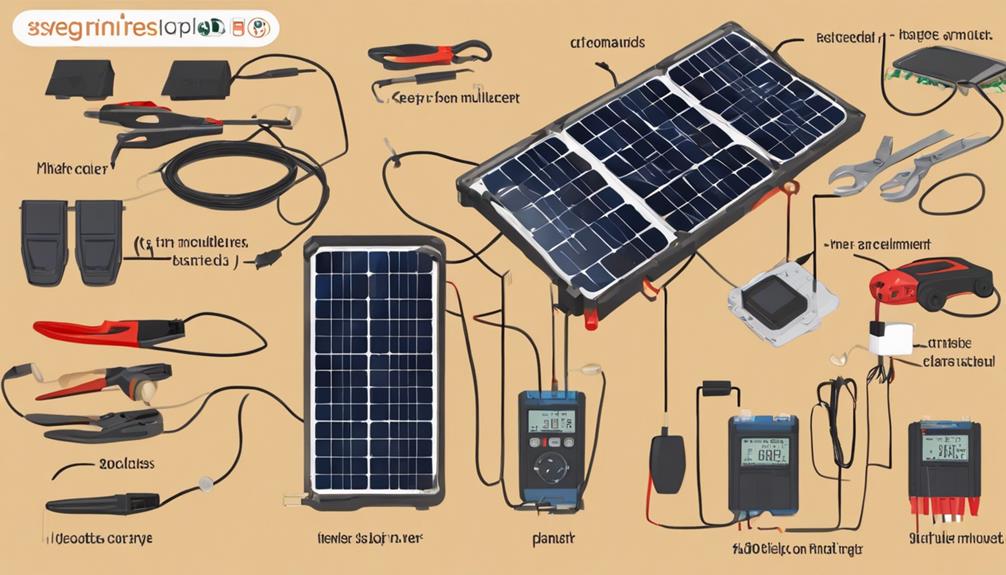
DIY solar installations can save money but carry electrical, fire‑safety and permitting risks; for grid‑connected systems most jurisdictions require certified installers and inspected interconnection (see NREL guidance: https://www.nrel.gov/solar/market-research-analysis/solar-cost-analysis.html?utm_source=openai).
Policy levers that accelerate impact
- Incentives and time‑of‑use pricing that increase value for distributed generation.
- Streamlined permitting and standardized interconnection to reduce project costs and delays.
- Support for storage, grid upgrades and recycling programs to manage system impacts and end‑of‑life panels.
Short examples / case notes
- Global scale: Near‑3 TW of cumulative PV by end‑2025 highlights how quickly solar can add capacity (IEA‑PVPS).
- Household: A typical solar + battery household can cut daytime bills substantially and provide hours of backup power, but ‘‘always‑on’’ backup usually requires a larger battery or generator.
- Utility project: Many utility PV plants now include co‑located batteries to firm output for peak shaving and grid services — a growing trend as PV penetration rises (NREL analysis).
FAQ (short)
Do solar panels work on rainy or cloudy days?
Yes, panels produce less electricity in cloudy or rainy conditions. Output falls but is not zero; to maintain power during prolonged low‑sun periods you need storage or backup sources.
Can I install solar myself (DIY)?
Minor, off‑grid kits exist, but grid‑connected systems involve mains wiring and permits — certified installers are recommended to meet safety and code requirements (NREL guidance).
How long do panels last?
Modern PV modules commonly carry 25‑year performance warranties and can continue producing for 30+ years, though output gradually declines.
Practical next steps
Assess roof potential (free tools and site surveys), check local incentives and net‑metering rules, get 2–3 quotes from certified installers, and consider whether adding battery storage fits your resilience goals.