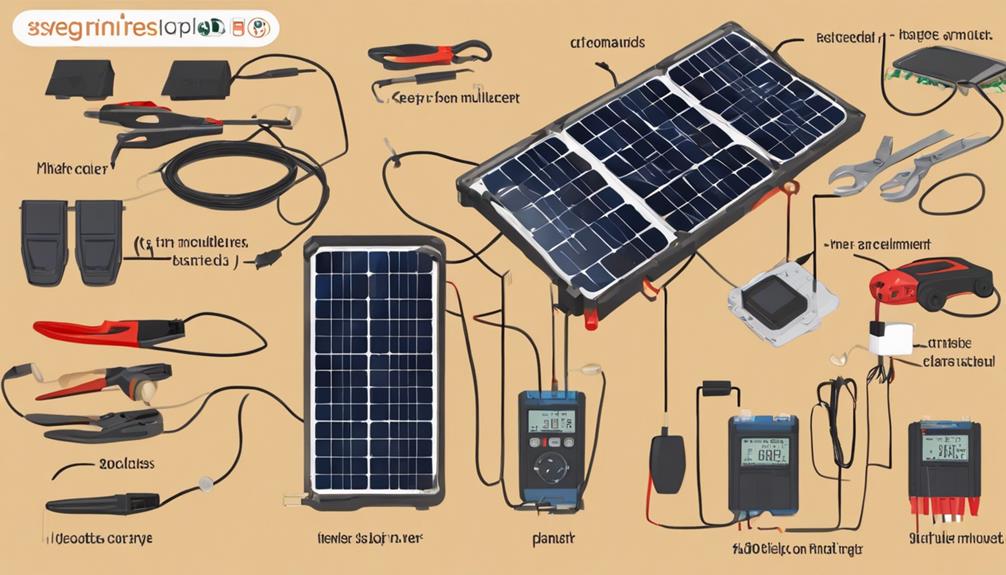
Deck: Solar PV (photovoltaics) is growing at record scale: bifacial modules plus single‑axis trackers dominate utility arrays, perovskite–silicon tandems are moving into pilots, solar+storage economics are improving, and lifecycle / recycling policy is catching up.
Why 2024–2026 feels different
Solar PV (photovoltaics: semiconductor devices that convert sunlight to electricity) is no longer niche — annual installations in 2024–2025 reached historic highs and global cumulative PV capacity passed multi‑terawatt thresholds, led by China but expanding rapidly across regions (IRENA, 2025–2026). These gains are driven by lower module and system costs, expanded policy support, and the growing role of paired batteries that increase the value of variable solar generation (IRENA; IEA).
What’s new in module & cell technology
Several module and cell trends are changing both manufacturing and system performance:
- Bifacial modules (modules that capture light on both front and rear faces) are now widely adopted for utility projects. When combined with reflective ground surfaces or elevated racking, bifacial panels can increase energy yield versus single‑face modules (IEA‑PVPS, 2025).
- Trackers / single‑axis trackers (mounts that follow the sun’s azimuth) are standard on many large plants because they boost annual energy production and improve the economics of bifacial arrays.
- n‑type cells and passivated contact technologies (TOPCon, HJT) are rising: these cell architectures offer higher efficiencies and better degradation characteristics than older p‑type PERC cells, and they are becoming a larger share of new manufacturing lines (IEA‑PVPS).
- Tandem / perovskite–silicon cells (stacked cells combining a perovskite top cell with a silicon bottom cell to exceed single‑junction limits) moved from record‑setting lab devices to early commercial agreements and pilot production in 2024–2026. Companies such as Oxford PV and several pilot factories announced scale‑up plans; expect gradual commercial rollout through 2025–2028 as reliability and manufacturing yields improve (Oxford PV; industry reports).
Together, these trends are translating into higher module efficiencies, improved long‑term yields, and continued downward pressure on levelized costs of electricity (LCOE) from PV.
System design and project trends
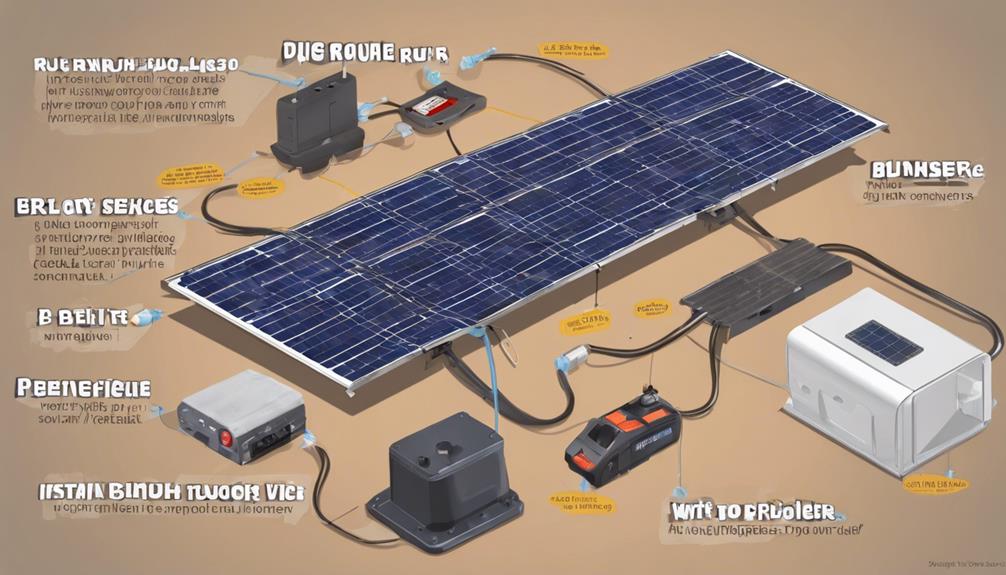
System designers increasingly optimize at the array and project level rather than at the module level alone. Dominant utility configurations pair bifacial modules with single‑axis trackers to maximize yield per hectare. At the same time, deployment types are diversifying:
- Utility‑scale PV (large ground‑mounted arrays supplying the grid) continues to grow in scale and often pairs with grid‑scale batteries.
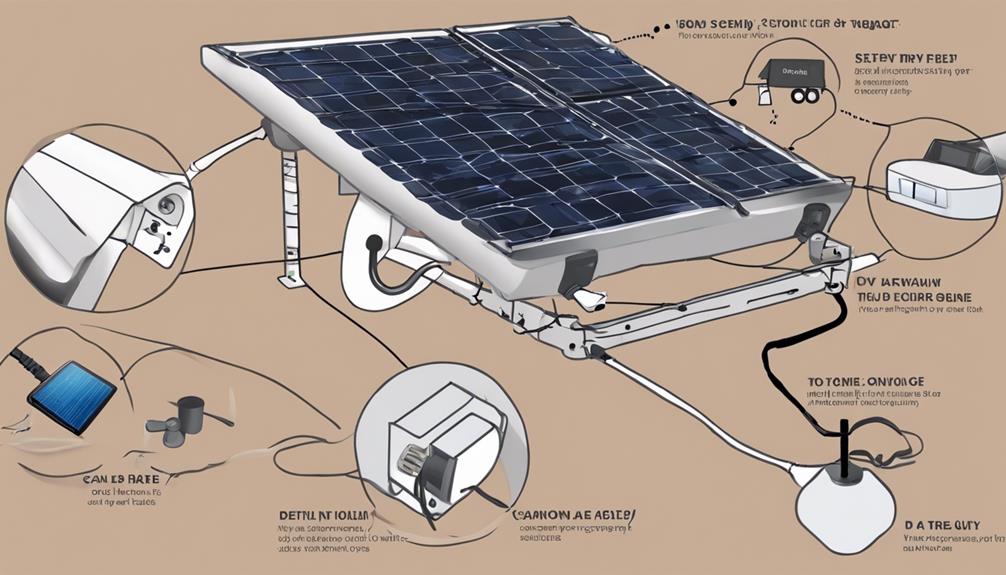
- Distributed PV / rooftop PV (behind‑the‑meter systems sited near consumption) is growing across residential, commercial, and industrial sectors, with more projects including behind‑the‑meter storage to manage loads and time‑of‑use billing.
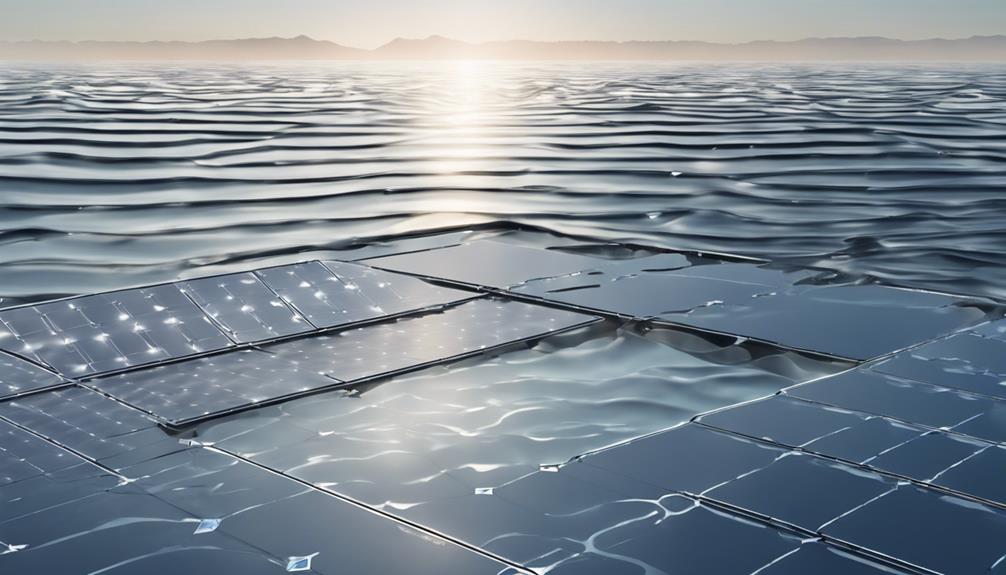
- Floating PV (FPV) installations on reservoirs and lakes are scaling as a land‑efficient option that can reduce water evaporation and improve module cooling (IEA‑PVPS; REN21).
- Agrivoltaics (co‑locating PV and agriculture) are moving from pilots to policy‑supported projects where dual land use is valuable.
- Solar + storage / BESS (battery energy storage systems) are an increasingly standard design choice for new projects to firm output, provide capacity, and capture higher market value for midday solar (IEA, 2025–2026).
Manufacturing and supply‑chain landscape
China remains the dominant manufacturer of PV modules and cells, accounting for a large share of global production and capacity additions as of 2025–2026 (IRENA). However, policy initiatives — for example, the U.S. Inflation Reduction Act (IRA) and European industrial strategies — have spurred new domestic manufacturing investments, pilot lines, and incentives for upstream capacity. Large OEMs and domestic manufacturers in the U.S. and EU have announced expanded facilities and R&D lines to reduce import exposure and meet local content rules (industry filings and news reports).
These shifts are reconfiguring supply chains, increasing near‑term costs for some projects that depend on certified domestic content, but they also aim to stabilize longer‑term supply and encourage higher‑value manufacturing (panels, cell technologies, and balance‑of‑system components).
Integration & markets: storage, PPAs, and grid impacts
Battery deployments surged in 2024–2025; annual storage additions entered the 100+ GW era in 2025, boosting the business case for pairing PV with batteries (IEA, 2026). Short‑duration battery levelized cost of storage (LCOS) has fallen significantly, making solar+storage projects competitive for capacity, merchant energy sales, and ancillary services.
Power purchase agreements (PPAs) increasingly reflect hybrid project structures (PV+battery) or time‑shifting revenue models. On the grid side, high solar penetration raises needs for flexibility (storage, demand response, grid reinforcements, and market design changes) to manage midday ramps and maintain reliability.
Environmental & lifecycle issues
With the rapid deployment wave, end‑of‑life (EoL) management, circularity, and recycling are rising priorities. End‑of‑life management refers to collection, reuse, and material recovery from retired modules. Governments and research agencies (DOE/SETO, NREL, IEA‑PVPS) have ramped funding for recycling R&D and policy frameworks, but industrial recycling capacity is not yet sufficient to handle the volumes expected later in the 2020s (DOE; IEA‑PVPS).
Repowering and lifetime extension (upgrading or replacing older arrays to improve output) are growing approaches to reduce waste and improve land productivity. Expect policy and certification standards to tighten around module traceability and recycling in the near term.
Regional spotlights
- China: Largest share of global additions and manufacturing scale; continued leadership in module production (IRENA).
- United States: Strong growth in utility and distributed PV with major IRA‑driven manufacturing investments and rapid battery deployments (DOE / industry reports).
- Europe: High repowering activity, growing FPV and agrivoltaics pilots, and policy emphasis on domestic value chains (REN21; IEA‑PVPS).
- India: Fast capacity expansion tied to ambitious national targets and large utility tenders; growing interest in local manufacturing.
- Africa & Southeast Asia: Rapidly growing markets for distributed PV and off‑grid solutions, plus rising interest in FPV where land constraints exist.
Near‑term outlook — what to watch (2025–2028)
- Commercial scale‑up of perovskite–silicon tandem products and their durability in field conditions (pilot plants announced through 2024–2026).
- Rate of battery / long‑duration energy storage deployment and its effect on merchant solar revenues.
- Policy rollouts for module recycling, repowering incentives, and domestic manufacturing content rules.
- Scaling of FPV and agrivoltaics driven by land constraints and co‑benefit policies.
Visual recommendations
- World map of regional trends (China: manufacturing & additions; US: storage + IRA; Europe: repowering & FPV/agrivoltaics; India/Africa: market growth) — caption: “Regional PV trends and priorities, 2024–2025 (sources: IRENA, REN21).”
- Timeline of technology milestones (bifacial+tracker dominance, n‑type adoption, perovskite tandem pilot commercialization) — caption: “Key PV technology milestones, 2020–2026 (industry reports).”
- Bar chart of 2024–2025 capacity additions by region — caption: “Selected regional PV capacity additions, 2024–2025 (IRENA data).”
Further reading / sources
- IRENA — Renewable Capacity Statistics / Year‑in‑Review (2024–2025)
- IEA — Global Energy Review / Renewables analysis (2025–2026)
- REN21 — Renewables Global Status Report (GSR 2024/2025)
- IEA‑PVPS — Trends in Photovoltaic Applications (2024/2025)
- Oxford PV — press releases on tandem commercialization (2024–2026)
- U.S. DOE / NREL — End‑of‑Life Management for Solar Photovoltaics
Suggested meta description: How solar technology is changing: record PV growth, bifacial+tracker designs, perovskite tandems, solar+storage, floating PV, and recycling.
Notes: Inline citations and specific datasets referenced above are available from IRENA, IEA, REN21, IEA‑PVPS, Oxford PV, and DOE/NREL reports (see Further reading).