Lede: “Alternative solar” today means more than rooftop panels. It covers a family of modern PV technologies, solar thermal systems, integrated designs (agrivoltaics, floating PV, BIPV), and complementary storage and cooling solutions that trade cost, reliability and siting in different ways. This article explains what’s current, what works where, and how to evaluate options for home, farm, business or utility projects (data accurate as of July 2026).
Quick primer: how solar works (PV vs solar thermal)
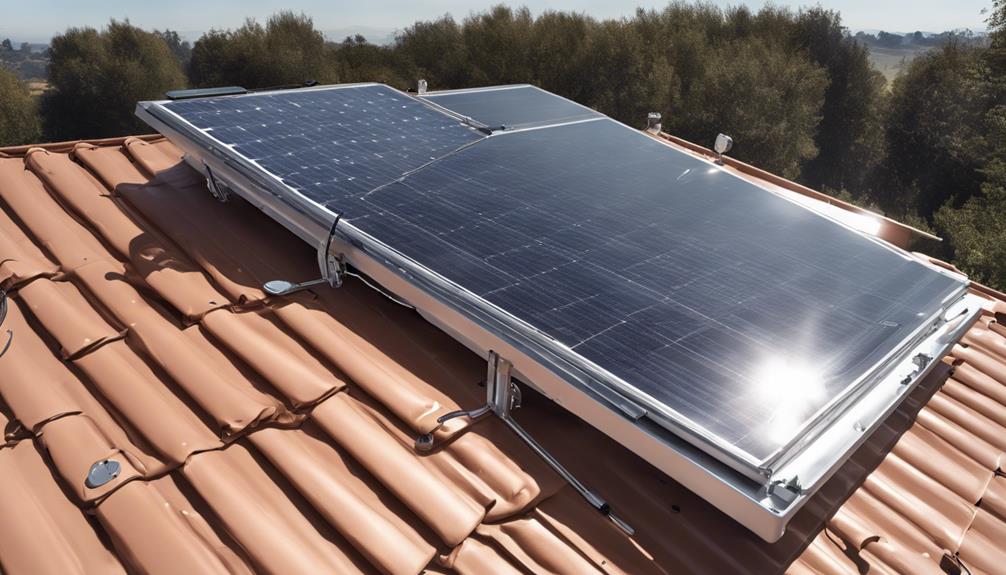
Photovoltaic (PV) systems convert sunlight directly into electricity using semiconductor cells packaged into modules (solar panels). Module efficiency—the share of sunlight turned into electricity—varies between lab records and commercial products: lab cells can exceed single‑junction silicon limits through tandem designs, while installed modules typically deliver mid‑teens to low‑20s percent efficiency in real conditions (NREL/DOE reporting).
Solar thermal captures sunlight as heat for water heating, space heating, or for concentrated solar power (CSP) plants that use mirrors to create high temperatures and drive turbines. Solar thermal can also drive cooling systems (absorption/adsorption chillers) when paired with thermal storage—useful in hot, sunny climates but more complex than electric heat pumps (ScienceDirect review, 2024).
What “alternative” solar technologies exist today
Key modern options and how they differ:
- Conventional Solar PV: Crystalline silicon modules dominate markets; robust, declining costs, and wide installer ecosystem. Commercial modules typically achieve mid‑teens to low‑20s% module efficiency (NREL).
- Tandem / Perovskite‑Silicon Cells: Research and early certified devices have pushed cell efficiencies into the mid‑30s% (certified two‑terminal results reported by manufacturers; NREL tracks research records). Commercial durability and scale-up remain active areas.
- Concentrated Solar Power (CSP): Uses mirrors to concentrate sunlight for heat and dispatchable generation when paired with molten‑salt or other thermal storage—suitable for high direct normal irradiance (DNI) regions.
- Solar Thermal (water/space heating) & Solar Cooling: Low‑temperature collectors for hot water and rooftop systems; absorption chillers can use solar heat for cooling in the right contexts but need careful integration.
- Agrivoltaics: Co‑locating PV and crops to boost land productivity and microclimate benefits; results vary by crop, design and climate and require site trials (research 2024–2025).
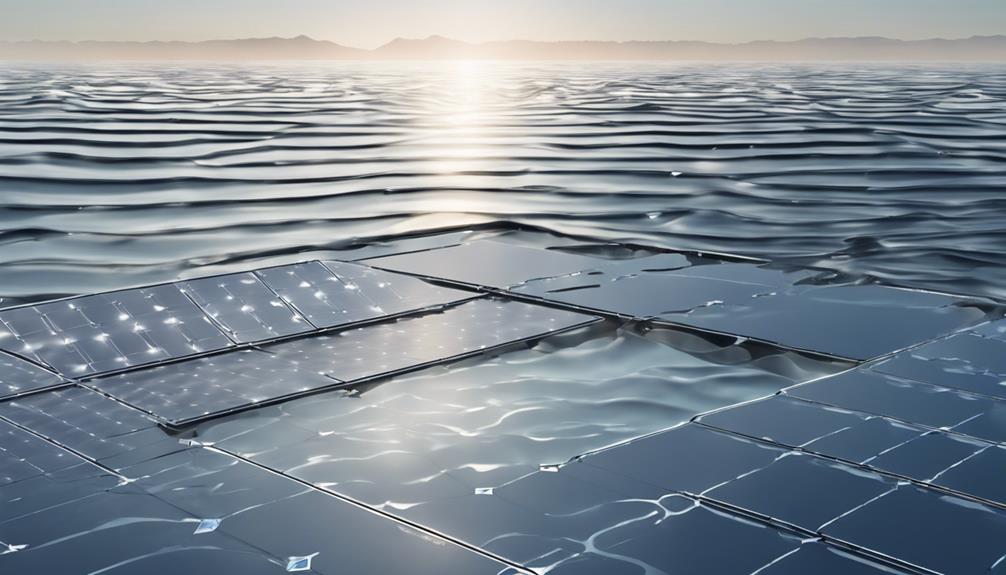
- Floating PV (Floatovoltaics): Panels on reservoirs or ponds reduce land use, can improve panel cooling and reduce evaporation in dry regions.
- Building‑Integrated PV (BIPV): PV integrated into facades, roofs and glazing—trades lower efficiency for architectural integration.
- Solar Fuels / Power‑to‑X: Research into using sunlight to produce hydrogen or synthetic fuels is advancing but remains more capital‑ and energy‑intensive than direct electricity use.
Reliability & storage: batteries and long‑duration options
Solar output is intermittent—variable by hour, cloud cover and season. Reliable solar‑based supply depends on storage and system design.
- Short‑duration storage: Lithium‑ion batteries are the mainstream for battery energy storage paired with PV today, cost‑effective for hours of firming and peak‑shaving.
- Long‑duration energy storage (LDES): Technologies such as iron‑air, flow batteries and other chemistries are moving through demonstrations and early deployments to handle multi‑hour to multi‑day gaps; governments and private firms are funding pilots (press reporting on LDES activity, 2024–2026).
- Hybrid systems & grid integration: Combining PV with batteries, dispatchable generation, demand response or CSP with thermal storage improves reliability and shifts energy to critical periods. Microgrids and community solar structures can use these mixes for resilience.
Applications & practical use cases
Which option fits which context:
- Residential: Rooftop PV + battery is the common path. BIPV works for new builds. Evaluate payback using local LCOE, rate structure, incentives and net‑metering rules.
- Commercial & industrial: Large rooftops, carports, and behind‑the‑meter batteries reduce demand charges. Solar cooling can make sense for large thermal loads in sunny climates when integrated properly.
- Agriculture: Agrivoltaics can boost land productivity and protect crops; pilot site testing is critical to find the right panel height, spacing and crop pairing (research shows mixed but promising results).
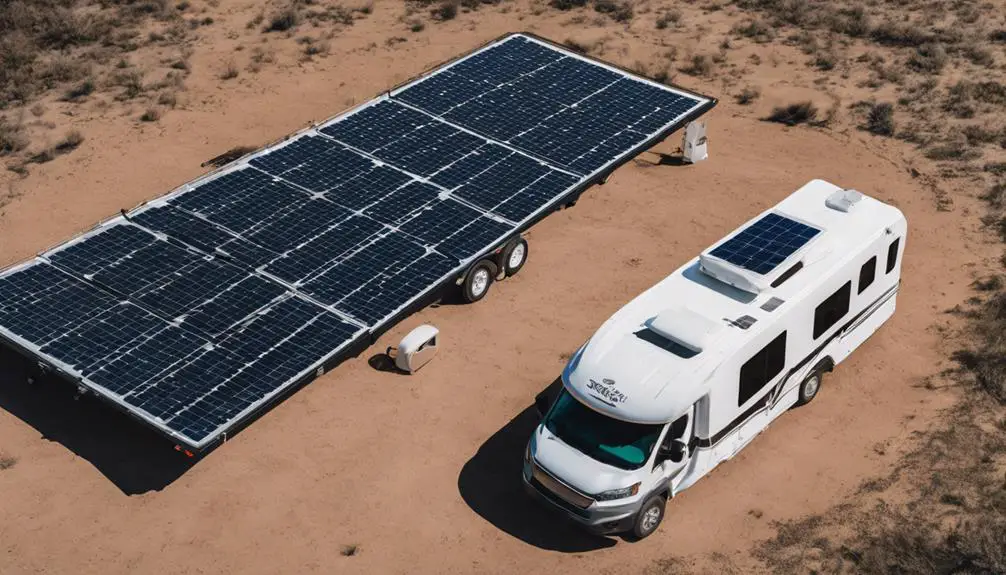
- Utility scale: Ground‑mounted PV, floating PV on reservoirs, and CSP with thermal storage are common. Tandem/perovskite technologies may raise yields but need durability validation before broad adoption.
Costs, economics & policy factors
Project economics are sensitive to capital costs, interest rates, incentives, permitting timelines and the local LCOE. IEA projections show solar PV driving most renewable capacity additions in the late 2020s; use regional LCOE tools and current tariffs to model paybacks and competitiveness (IEA, LCOE tool).
Barriers, risks & what to avoid
- Avoid citing a single fixed efficiency for “solar”—distinguish lab cell records from commercial module performance.
- Be cautious about claims that solar alone provides 24/7 power without storage or backup; design for intermittency.
- Consider supply chain, recycling and end‑of‑life issues for panels and batteries when planning long‑term projects.
- Site and crop‑specific evaluations are essential for agrivoltaics; one‑size‑fits‑all assumptions mislead.
Short outlook and practical next steps
Perovskite tandems, improved PV manufacturing, and a growing suite of LDES options are the key R&D directions to watch. For decision makers: get site‑specific energy yields, run LCOE scenarios with current financing terms, test agrivoltaic layouts on small plots, and prioritize storage if you need reliability outside daylight hours.
Further reading / sources (selected)
IEA, Electricity 2026 (supply projections); NREL/DOE efficiency and perovskite research summaries; manufacturer certified tandem reports (e.g., Longi); ScienceDirect reviews on solar cooling and agrivoltaics; news coverage of long‑duration storage funding and demonstrations. Check these sources for region‑specific LCOE and the latest certified efficiency records (data accurate as of July 2026).