Quick answer / TL;DR
- DIY solar kits make sense for small off‑grid projects, RV/cabin systems, and homeowners with solid electrical/roofing skills who confirm local permit rules.
- For whole‑home grid‑tied systems, expect mandatory permits, utility interconnection paperwork, and (often) a licensed‑electrician requirement — professional installation can avoid code, warranty, and incentive problems.
- As of July 10, 2026 the Residential Clean Energy Credit is administered by the IRS — verify the current percent and eligibility on IRS.gov before purchasing.
How to get started in 3 steps
- Run a quick production estimate on NREL’s PVWatts (pvwatts.nrel.gov) and use SAM for deeper financial modeling.
- Check DSIRE for state/utility incentives and whether programs require licensed installers (dsireusa.org).
- Call your local building department and utility to confirm permit, inspection, and interconnection requirements.
Disclaimer: This article is informational only. Check local building and electrical codes and consult a licensed electrician or inspector before installing or connecting any electrical equipment.
What is a solar kit?
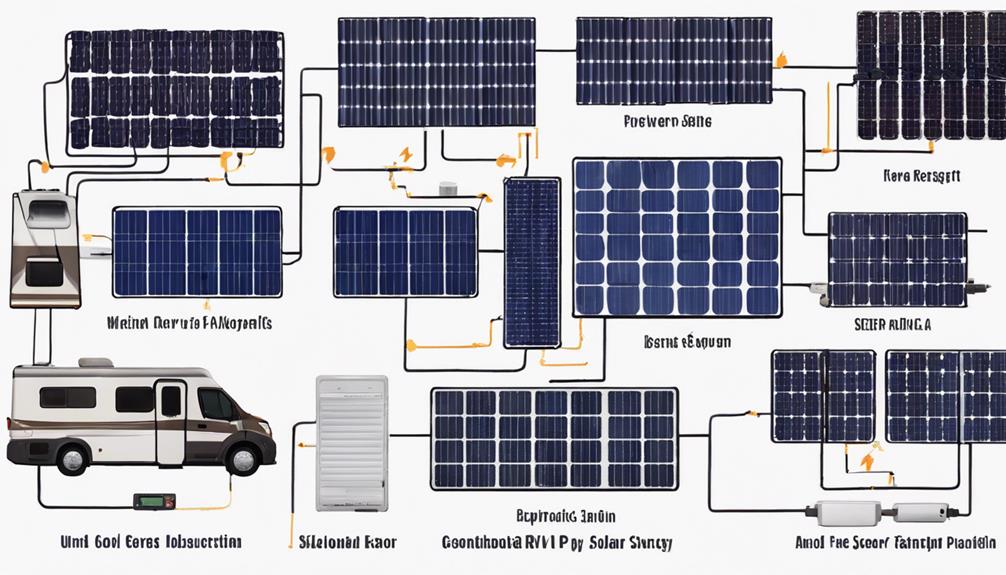
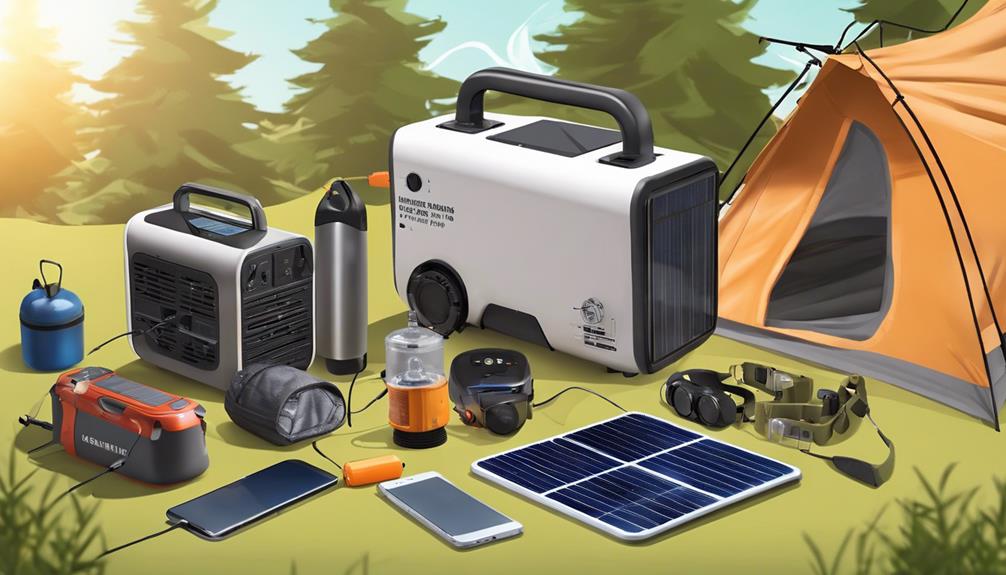
Solar kits come in several flavors: small off‑grid or cabin kits (panel(s) + charge controller + battery), grid‑tie kits (panels + inverter + racking + wiring), and hybrid kits that bundle batteries and a hybrid or AC‑coupled inverter. Kit “completeness” varies — some include racking, conduit and monitoring hardware; others are just the panels and inverter.
When is DIY appropriate?
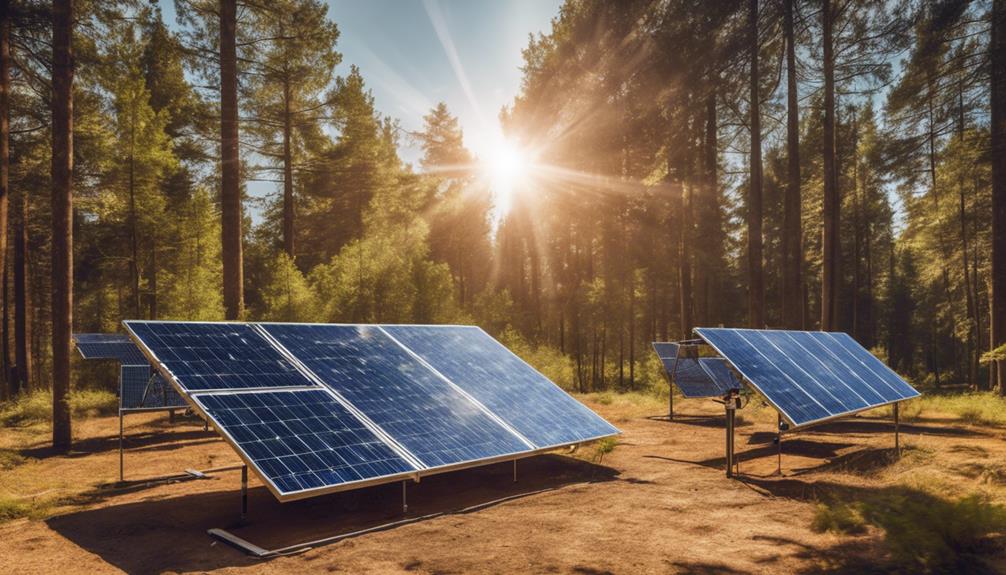
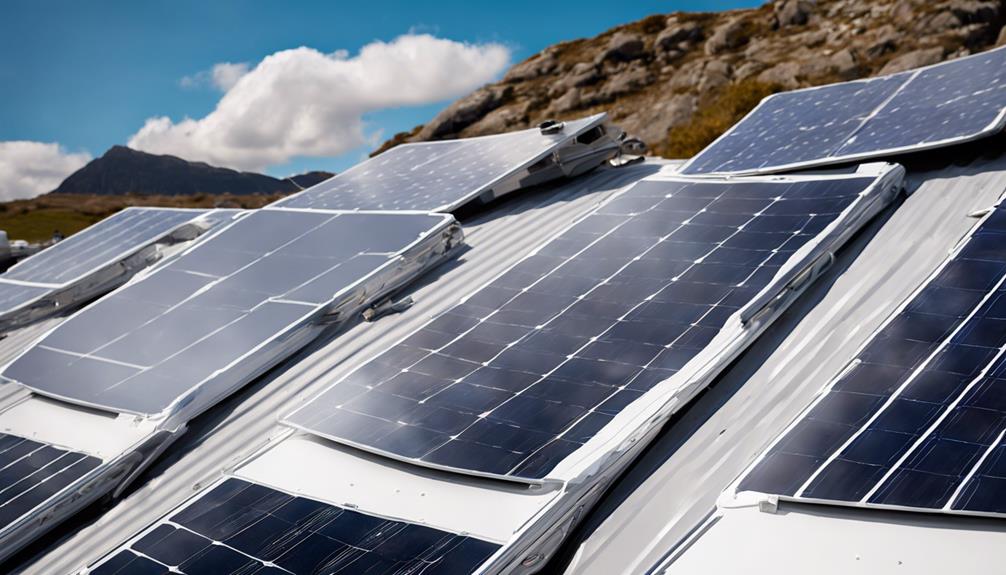
- Good fit: ground‑mounted arrays for a shed/cabin, portable RV systems, or very small carport arrays where work stays under local permit thresholds.
- Not recommended: complex rooftop systems, whole‑home grid‑tie installs with battery backup, or any work that involves modifying the service disconnect — those often require a licensed electrician and inspector involvement.
- Always confirm: some rebates, interconnection agreements, or the tax credit documentation require a licensed installer or a third‑party inspection.
Sizing and modeling: how much do you need?
Two useful tools: NREL’s PVWatts for a quick production estimate and NREL’s SAM for deeper performance and financial analysis. A simple worked example illustrates the idea (not a guarantee):
Example: a home that uses ~10,800 kWh/year. If local conditions yield ~1,200 kWh/year per 1 kW of PV (typical medium‑sun area), you’d need roughly 9 kW of panels (10,800 ÷ 1,200 ≈ 9). Run PVWatts for your exact location and tilt to get a reliable number.
Core components explained
- PV modules (panels) — rated by STC watts (e.g., 350 W); check temperature coefficient and warranty.
- Inverters — string inverters, microinverters, and hybrid/grid‑forming inverters have different tradeoffs. Microinverters offer panel‑level MPPT and shade tolerance; string inverters are lower cost for uniform arrays; hybrid inverters manage batteries and grid interaction.
- Charge controllers — MPPT controllers are standard for DC battery systems to maximize charging efficiency.
- Batteries — LiFePO4 (LFP) and NMC are common. LFP is popular for safety and cycle life; compare usable kWh, warranty and depth‑of‑discharge limits.
- Racking, wiring, disconnects, grounding — NEC‑compliant mounting, conduit, rapid disconnects and grounding equipment are essential; kits vary on what’s included.
Permits, codes, interconnection and safety
Residential PV installations must comply with NEC Article 690 (PV systems) and Article 705/706 for interconnected systems and storage; inverter interconnection is governed by the IEEE 1547 family. Utilities normally require an interconnection agreement and inspection. Rapid shutdown (NEC 690) and anti‑islanding protections are typical requirements. Always file permits and schedule inspections — skipping them risks fines, insurance denials, and voided warranties.
Costs, incentives and documentation
Costs vary: small portable/cabin kits can be under $1,000; whole‑home systems (5–10 kW) commonly range from roughly $10,000 to $30,000 before incentives depending on equipment and labor. As of July 10, 2026, the Residential Clean Energy Credit is administered by the IRS — check IRS.gov for the latest percent and qualifying rules. Use DSIRE to find state and utility rebates and to confirm whether incentives require licensed installers (dsireusa.org).
Common pitfalls & warranty traps
- Mixing unmatched components (inverter, panels, battery) can cause performance issues and void warranties.
- Owner‑installed systems may void manufacturer warranties or be ineligible for some rebates — verify requirements first.
- Installing on an aging roof can cause re‑roofing complications — inspect and repair the roof before mounting hardware is installed.
If you decide to DIY: a practical checklist
- Pre‑purchase: model production in PVWatts and SAM; check DSIRE for incentives and installer requirements.
- Confirm permits: call the local building department and utility for interconnection forms, required inspections and NEC edition enforced locally.
- Buy compatible components: verify inverter battery compatibility, string sizing, and racking load limits for your roof.
- Plan for safety: use fall protection, follow rapid shutdown rules, and don’t alter the service disconnect yourself unless licensed and permitted.
- Documentation: collect receipts, manufacturer warranty papers, and inspection signoffs needed for tax credits or rebates.
- Get a licensed electrician to sign‑off if required by code or your utility to protect warranties and ensure safe interconnection.
Next steps
Start by running a site‑specific estimate on PVWatts and look up incentives on DSIRE. Before buying, re‑verify the federal credit and rules on IRS.gov (as of July 10, 2026 the credit administration is via the IRS) and call your utility and building department. Even if you plan to DIY, get at least two professional installer quotes — they can flag permitting, roof or electrical issues you might miss.
Further reading: PVWatts (pvwatts.nrel.gov), SAM (sam.nrel.gov), DSIRE (dsireusa.org), IRS guidance on the Residential Clean Energy Credit (irs.gov).