What is a solar panel kit?
A solar panel kit bundles the core components you need to harvest sunlight and turn it into usable electricity. Kits range from small, portable setups for camping to full rooftop packages with inverters and batteries for backup or off‑grid use. Which kit is right depends on your load, location, and whether you want a do‑it‑yourself install or a professionally permitted, grid‑tied system.
Quick facts
- Federal tax credit: Residential Clean Energy Credit = 30% of qualified costs for systems placed in service from 2022 through Dec. 31, 2025 (IRS guidance: irs.gov).
- Typical installed cost (U.S. residential): median state prices commonly in the low single dollars per watt (many reports center around ~$3/W for recent years; see LBNL/SEIA market data) (emp.lbl.gov).
- Typical PV module degradation: ~0.5% per year median; most modules carry a 25‑year performance warranty (NREL) (nrel.gov).
- Common safety/standards: UL/IEC module standards, UL 1741 and IEEE 1547 for inverters and interconnection; plug‑and‑play products can have unique safety limits (UL guidance) (ul.com).
Types of solar kits
Portable (RV, camping, marine)
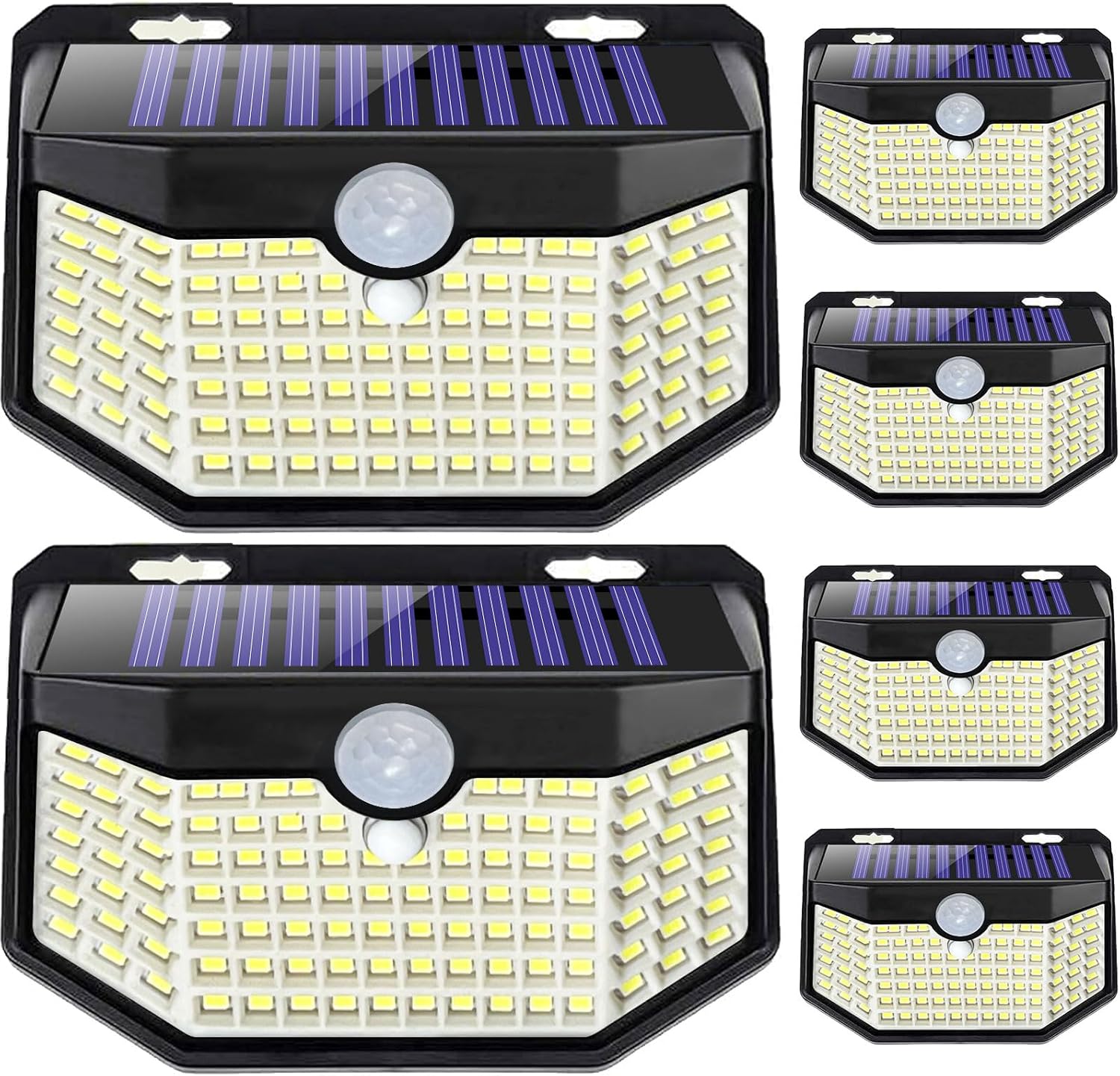
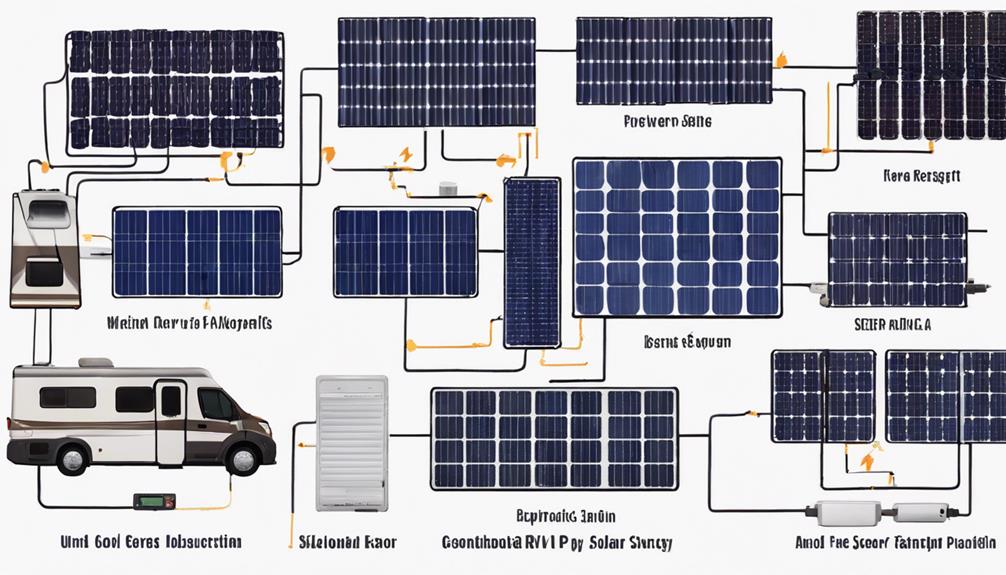
Portable kits include a foldable or rigid PV module(s), cables, and often a portable power station (an integrated inverter + battery). They’re designed for mobility and simple setup; expect lower power and short warranty terms compared with rooftop modules.
Off‑grid kits
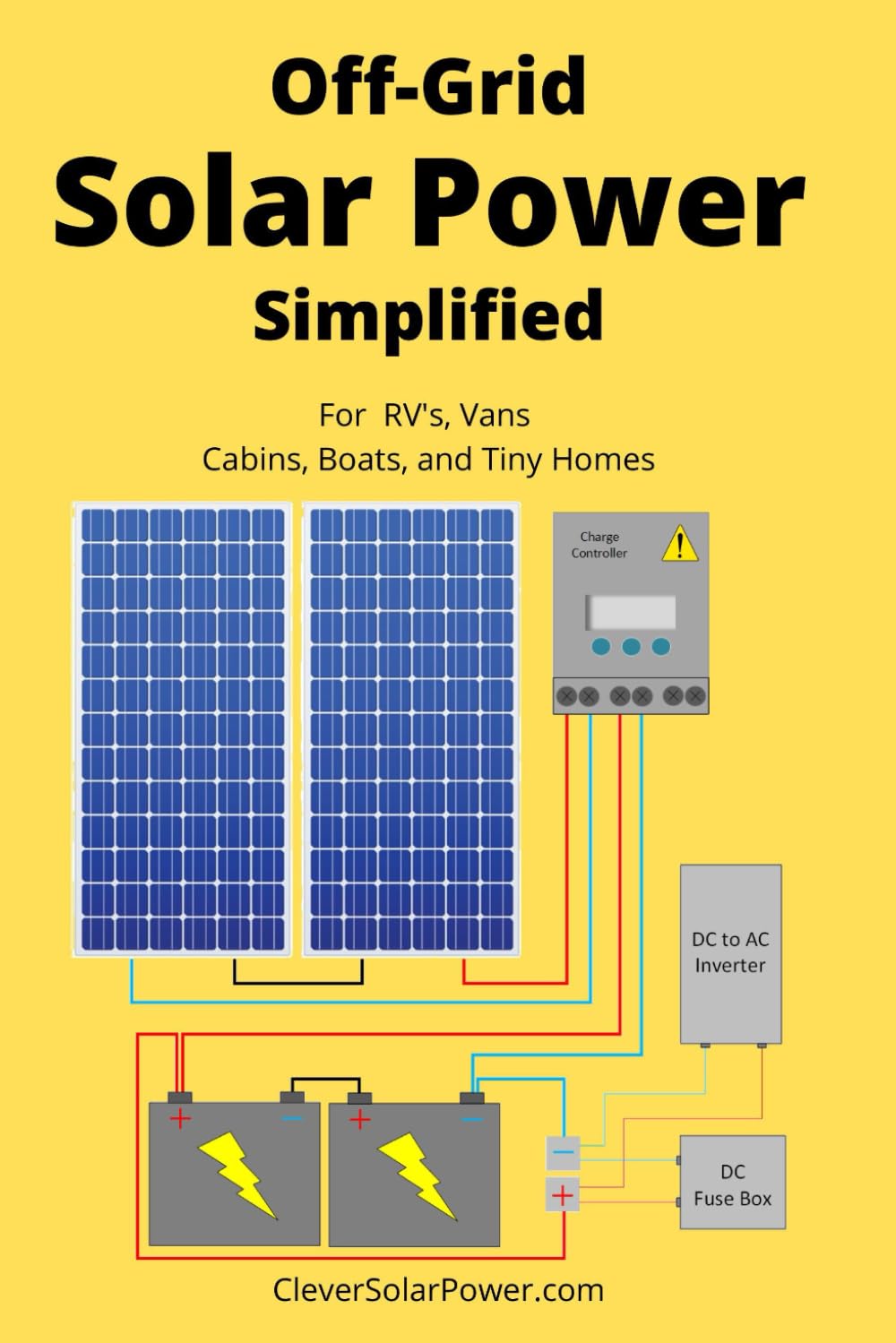
Off‑grid kits pair PV modules with a charge controller (usually MPPT), an inverter, and batteries sized for the desired autonomy (hours or days). These kits are sized to cover all loads without a utility connection and require careful design for load management and battery sizing.
Grid‑tied kits
Designed to connect to the utility, these kits usually include PV modules and either a string inverter or microinverters. Grid‑tied systems are typically installed by professionals because interconnection, safety, and code compliance matter.
Hybrid / backup‑ready kits
Hybrid kits combine grid‑tied operation with battery backup (AC‑coupled or DC‑coupled approaches). They let you export to the grid and provide critical-load backup during outages.
Core components explained
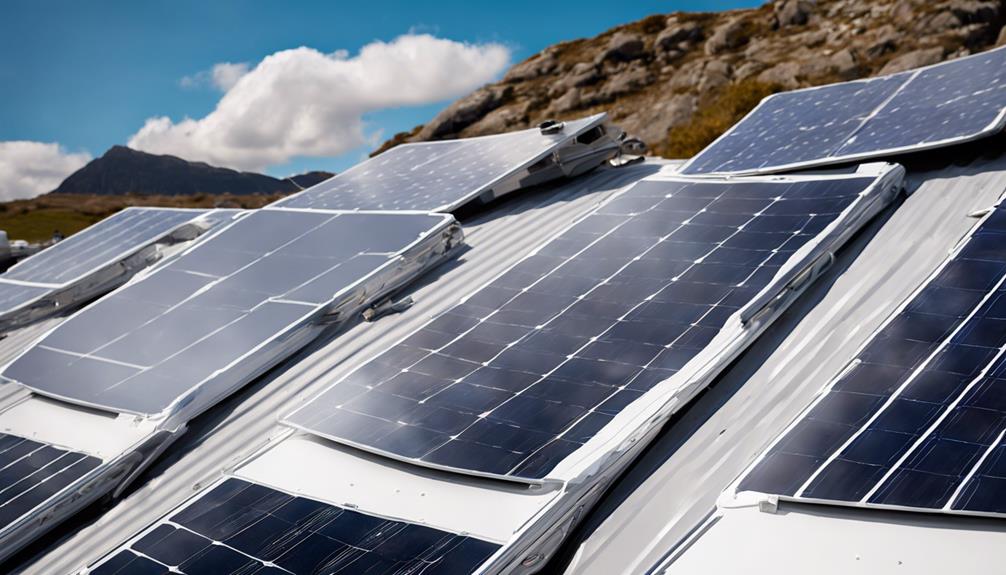
- PV module — the photovoltaic module(s); look for performance warranty (25 years typical) and IEC/UL certifications.
- Inverter — converts DC to AC. Options include string inverters, microinverters, and hybrid inverters (for battery integration).
- Charge controller — required for battery-coupled systems; MPPT is recommended for better energy harvest (often 10–30% better than PWM in real conditions) (energysage.com).
- Battery energy storage system (BESS) — specify usable capacity (kWh) and chemistry (LFP/LiFePO4 is increasingly common for safety and cycle life).
- Mounting, wiring, and safety gear — roof racking, ground mounts, conduit, breakers, and appropriate disconnects for code‑compliant installations.
How to size a kit — a simple example
- Estimate daily use: Example shed uses 2 kWh/day.
- Choose site production: assume 4 peak sun hours/day (use PVWatts for an address‑specific estimate: pvwatts.nrel.gov).
- Calculate panel nameplate: panels (W) = required kWh ÷ peak sun hours ÷ system efficiency. For 2 kWh/day and 4 hours, ideal PV = 2,000 Wh / 4 h = 500 W. Allow ~20% system losses → 500/0.8 ≈ 625 W. Round to two 330 W modules (~660 W).
- Battery sizing: for 1 day autonomy at 2 kWh/day and LFP usable depth ≈90%: battery nominal ≈ 2.0 kWh / 0.9 ≈ 2.2 kWh; allow margin → choose ~2.5 kWh nominal usable.
This yields a practical small off‑grid kit: ~650 W PV + MPPT charge controller + inverter sized for peak loads + ~2.5 kWh battery usable capacity. For whole‑home backup you’ll scale both PV (kW) and battery (kWh) much higher and use a professional designer.
Costs & incentives
Kit prices vary widely: portable kits can be a few hundred to a few thousand dollars; complete rooftop grid‑tied installs in the U.S. commonly price in the low single dollars per watt at median state levels (see LBNL/SEIA market tracking for local data) (emp.lbl.gov). The Residential Clean Energy Credit is 30% for systems placed in service through Dec. 31, 2025 (IRS: irs.gov). Always confirm current rules and consult a tax professional for eligibility.
Safety, standards & permitting
PV components should meet IEC/UL module standards and inverters should comply with UL 1741/IEEE 1547 interconnection standards. Grid‑tied systems generally require local permitting and an interconnection agreement with your utility — do not attempt high-voltage AC interconnection unless you are a licensed electrician or certified installer. Plug‑and‑play products can have special limitations and may not be suitable for permanent rooftop installations (UL guidance: ul.com).
Warranties & maintenance
- PV modules: typical 25‑year performance warranty (guaranteed output percentage at year 25) and shorter product warranty for defects.
- Inverters: commonly 10–15 years; extended warranties are available for an extra cost.
- Batteries: warranty varies by chemistry and manufacturer; LFP warranties may be specified in cycles and/or years — check usable capacity and end‑of‑warranty retention.
Red flags for shoppers
- No datasheets or performance curves (IV curve / Vmpp) provided.
- No UL/IEC markings or unclear warranty terms.
- Seller promises unrealistic payback without site assessment or omits permitting responsibility.
Buying checklist
- Ask for module/inverter datasheets and certifications (UL/IEC).
- Confirm inverter warranty and monitoring options.
- For battery kits, request usable kWh, chemistry, cycle life, and thermal management details.
- Decide on DIY vs professional install — for grid‑tied systems plan to get a licensed installer and obtain permits/interconnection paperwork.
- Get at least three quotes or compare reputable kit sellers; check installer certifications (NABCEP or local equivalent).
Next steps
1) Check site production with NREL’s PVWatts (pvwatts.nrel.gov). 2) Get three quotes or compare kit options if you plan to DIY. 3) Contact your local permitting office and utility to confirm interconnection rules. For broader market context and installed‑price data see LBNL/SEIA reports and the DOE homeowner’s guide to solar (emp.lbl.gov, energy.gov, irs.gov).
FAQ
- Can I install a grid‑tied kit myself?
- Local codes vary, but grid interconnection typically requires permits and a licensed electrician or certified installer to meet safety and utility requirements.
- When is MPPT necessary?
- MPPT charge controllers are strongly recommended for battery‑based kits because they harvest substantially more energy than PWM in many conditions (10–30% typical improvement).
- How long will modules last?
- Crystalline modules commonly show ~0.5% median annual degradation; performance warranties often guarantee a minimum output level at 25 years (NREL).
For personalized sizing and cost estimates, use PVWatts for location production, consult LBNL/SEIA market data for price context, and talk to a qualified installer or system designer before purchase.