Last updated: June 22, 2026. Policy and incentive rules change quickly—verify IRS guidance, your state incentive database (DSIRE), and your utility before making financial decisions. This article is general information, not tax or legal advice.
TL;DR (quick answers)
- Top benefits of solar panels: lower electricity bills, reduced carbon emissions, increased home resiliency (with batteries), and potential property‑value gains.
- Typical U.S. installed prices vary; median quoted prices were ≈$2.50/W (EnergySage, H2 2024) and SEIA reported a national average ≈$3.35/Wdc (Q3 2025) — your quote will vary by state and incentives.
- Basic installation steps: site assessment → design & quotes → permits & interconnection → install (days) → inspection & commissioning; permitting/interconnection can add weeks–months (Energy.gov guidance).
- Federal Residential Clean Energy Credit provided a 30% credit for qualifying systems placed in service 2022 through 12/31/2025—confirm current IRS guidance before claiming (IRS, 2025).
What is residential solar PV?
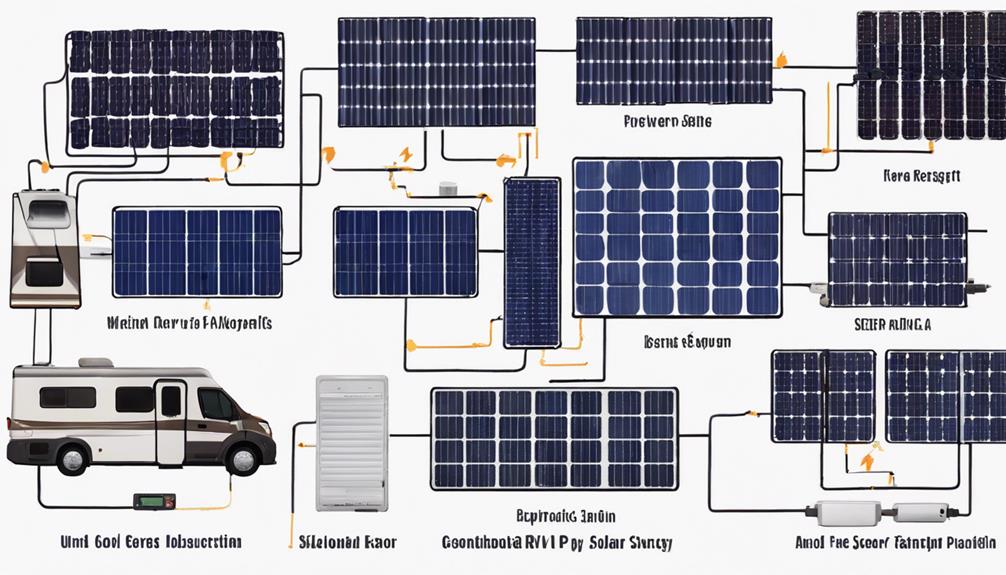
Solar PV (photovoltaic) systems convert sunlight to electricity using modules (panels) made of cells. A system includes panels, an inverter (converts DC to AC), racking, wiring and optional battery/ESS (energy storage system). Common inverter options are string inverters, microinverters, and DC optimizers.
Top benefits of solar panels
Financial savings
Solar reduces the amount of electricity you buy from the grid. Savings and payback depend on local retail rates, system cost, incentives, and net‑metering rules. Use local quotes and run a payback calculation rather than relying on blanket numbers. Price benchmarks: median quoted price ≈$2.50/W (EnergySage, H2 2024); national residential average ≈$3.35/Wdc (SEIA/Wood Mackenzie, Q3 2025).
Environmental
Solar avoids grid emissions; the exact CO2 avoided depends on regional grid factors—use the EPA Greenhouse Gas Equivalencies Calculator or eGRID regional data to estimate impacts for your ZIP code (EPA, Nov 2024).
Reliability and resilience
Paired with a battery, solar can provide backup power during outages. Battery sizing affects how long you can power critical loads; battery costs and incentives vary by state.
Property value and marketability
Installed solar systems can increase home value and appeal to buyers, but valuation depends on ownership (owned systems typically add more value than leased ones) and local market awareness.
Basic panel and equipment types (short)
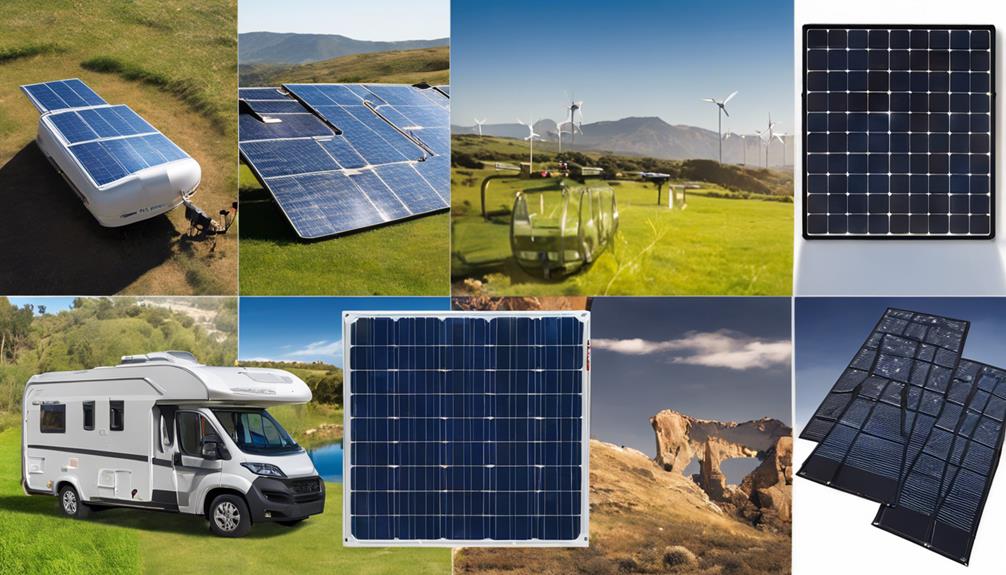
- Monocrystalline: high efficiency, good for limited roof space.
- Polycrystalline / multicrystalline: typically lower cost, slightly lower efficiency.
- Thin‑film: low weight, less efficient—used on special roofs or large ground arrays.
- Bifacial: captures reflected light from both sides—good with reflective ground surfaces.
- Cell tech (PERC, TOPCon, HJT, N‑type, IBC): incremental efficiency and performance differences—ask installers for modeled production, not just tech names.
- Inverters: string inverters are cost‑effective; microinverters or DC optimizers improve performance on shaded roofs.
How to prepare your home
- Check roof condition and expected remaining life; replace or repair before installing if needed.
- Assess shading (trees, nearby buildings) and roof orientation/slope.
- Review electrical panel capacity and any upgrade needs.
- Conduct a household energy audit to right‑size the system for consumption and budget.
Step‑by‑step installation process & timelines
Typical sequence (Energy.gov guidance):
- Site assessment & quotes — 1–3 weeks to solicit multiple bids and review designs.
- System design & permitting — design and submit permit & interconnection applications; timelines vary by AHJ/utility (weeks–months).
- Installation — physically mounting panels and wiring often takes days to a week for a typical rooftop system.
- Inspection & commissioning — local inspection, utility permission to operate; allow extra time for inspection scheduling.
Permitting and interconnection are the most common sources of delay—check with your Authority Having Jurisdiction (AHJ) and utility early.
Incentives, financing & the federal tax credit
The Residential Clean Energy Credit provided a 30% federal credit for qualifying residential solar systems placed in service from 2022 through December 31, 2025—review IRS Form 5695 and current IRS guidance before claiming (IRS, 2025). State and utility incentives, rebates, and net‑metering rules vary widely—search DSIRE for local programs. Financing options include cash, loans, leases, and PPAs; lease/PPA contract terms vary and require careful review (Energy.gov).
DIY vs hiring a professional
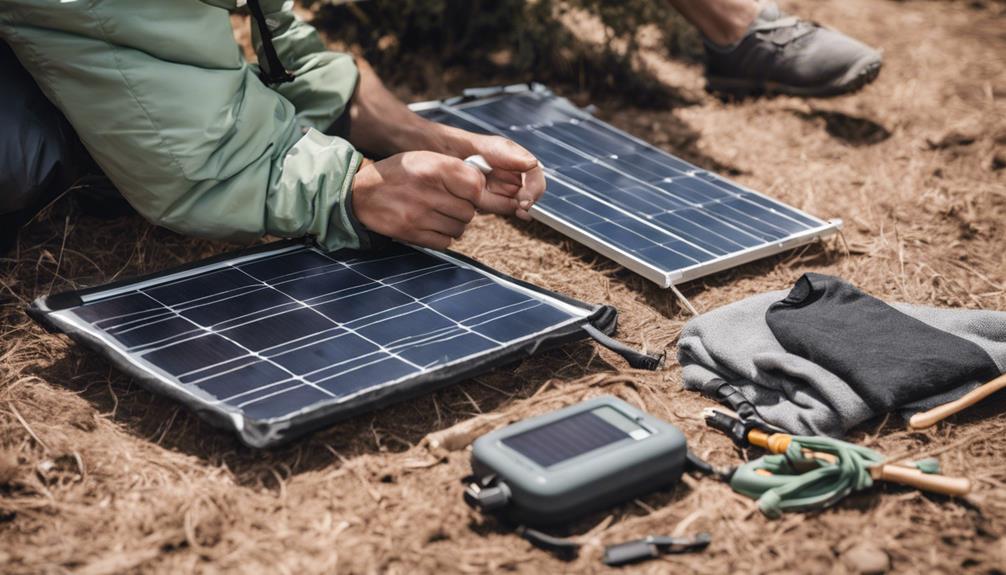
DIY may be feasible for small off‑grid kits, but grid‑tied installations involve roof penetrations, electrical work, rapid shutdown requirements, and interconnection rules—codes and safety requirements (NEC, IEEE 1547) typically mean hiring a licensed electrician or NABCEP‑certified installer is the safer, code‑compliant choice (NREL/SWS, NABCEP guidance).
Maintenance, warranties & replacement expectations
- Modules usually carry 25‑ to 30‑year performance warranties; inverters often need replacement in 10–20 years.
- Expect occasional maintenance: cleaning, monitoring alerts, and possible repairs after storms or roof work.
- Keep warranty paperwork and monitor production to spot underperformance early.
Quick FAQ
Will solar eliminate my electric bill? Not always—net bills depend on system size, self‑consumption, net‑metering rules and fixed grid charges. (Avoid absolute claims.)
Can I transfer a leased system when selling? Lease/PPA transfer terms vary—read contracts and plan early.
Do I need permits and inspections? Yes—permits, inspections and interconnection are required and vary by AHJ and utility (Energy.gov, NREL/SWS).
Checklist: Questions to ask a solar installer
- Installer certifications (NABCEP), proof of insurance and local license.
- Module model and performance data; inverter model and warranty length.
- Who handles permits, inspections and utility interconnection?
- What monitoring is included and what are service response times?
- Estimated production and a written performance guarantee.
Resources & next steps
- Check DSIRE for state incentives and net‑metering rules.
- Read the DOE homeowner guide for step‑by‑step process (Energy.gov).
- Use the EPA Greenhouse Gas Equivalencies Calculator or eGRID for emissions estimates (EPA).
- Consult IRS Form 5695 / Residential Clean Energy Credit instructions before claiming federal credits (IRS, 2025).
- Vet installers for NABCEP certification and local experience (NABCEP, NREL/SWS).
Disclaimer: This article provides general information only and does not constitute tax, legal, or financial advice. Consult a tax professional, licensed electrician, or qualified solar installer for personalized guidance.
Key source notes (date stamps): IRS — Residential Clean Energy Credit (30% for systems placed in service 2022–12/31/2025; see IRS Form 5695) (IRS, 2025). EnergySage — median quoted price ≈$2.50/W (H2 2024). SEIA/Wood Mackenzie — national average ≈$3.35/Wdc (Q3 2025). Energy.gov — homeowner guide and process timeline (accessed June 2026). NREL/SWS — code and interconnection guidance. EPA — Greenhouse Gas Equivalencies Calculator (Nov 2024). DSIRE for state incentives. NABCEP for installer certification.