What are solar panels and a solar PV system?
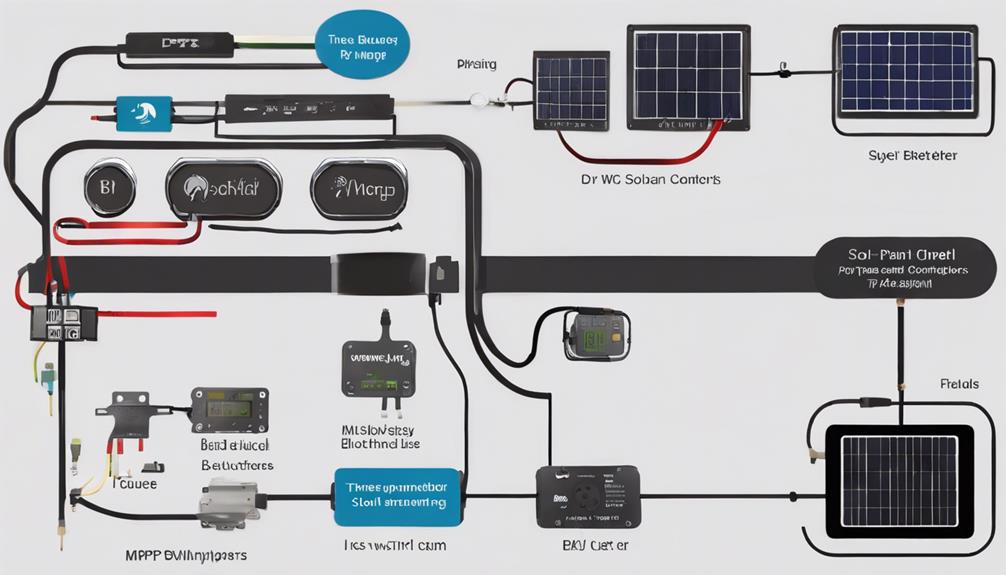
Solar panels—technically called PV modules—contain photovoltaic (PV) cells that convert sunlight into electricity. A solar photovoltaic (PV) system is the complete setup that produces usable electricity for a home: the PV modules plus inverters, mounts, wiring, safety devices, monitoring, and any batteries if included.
How sunlight becomes usable electricity
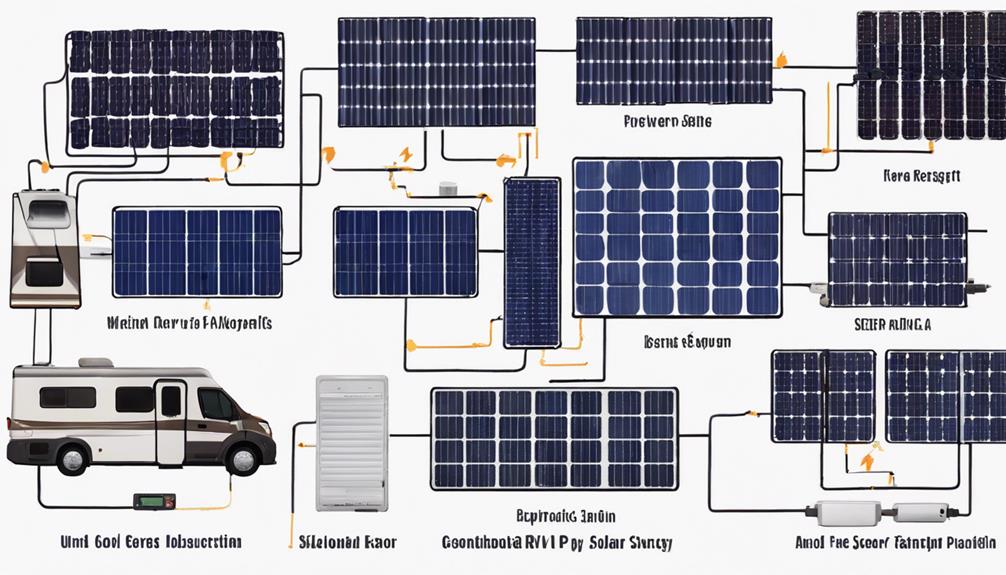
PV cells are semiconductor devices (usually silicon). When sunlight hits a cell it knocks electrons loose and generates direct current (DC) electricity. An inverter converts DC to alternating current (AC), the form used by household appliances and the grid. Systems may use a single string inverter, microinverters mounted per panel, or power optimizers that work with a string inverter to improve panel-level performance.
Main components of a home solar installation
- PV modules (individual panels)
- Inverter (string inverter, microinverter, or optimizer + inverter)
- Racking and attachments to mount panels to the roof or ground
- Wiring, disconnects, and safety equipment
- Monitoring hardware or software to track production
- Optional battery storage (solar-plus-storage)
- Utility meter and interconnection equipment
Will solar work at my property?
Most homes can host solar, but production depends on many factors: roof age and condition, orientation and slope, shading from trees or buildings, available roof area, and local climate. South-facing roofs are often favorable in the U.S., but southeast or southwest roofs can also perform well. Clouds and rain reduce output but don’t automatically rule out solar—annual production modeling is the best way to estimate energy.
How much electricity can a system produce?
System capacity is measured in kilowatts (kW); actual energy production is measured in kilowatt-hours (kWh) over time. A system’s annual kWh depends on its kW size, panel placement, shading, and local solar resource. Ask installers for an estimated annual kWh using a model such as NREL’s PVWatts, then compare that estimate to your household kWh use.
Do homeowners need batteries?
Batteries are optional. A battery stores electricity for later use—useful for shifting solar production to evening hours, for time-of-use savings, or for backup during outages. Note: batteries do not automatically provide whole-home backup; backup capability depends on the battery size, system design, and which circuits are configured to run during an outage.
Grid connection, exported electricity, and billing
Most residential systems are grid-tied. During sunny periods, solar serves on-site loads first; surplus electricity can be exported to the utility. How exported energy is credited—net metering, net billing, or other arrangements—varies by utility and state. A standard grid-tied inverter typically shuts down during a utility outage for safety unless the system includes approved backup equipment. The administrative process to connect to the grid is called interconnection, and utilities often issue a permission to operate (PTO) when the system is approved.
Installation, permits, and timeline
Typical steps: site assessment, proposal and contract, system design, permitting, installation, inspection, utility interconnection, and PTO. Permits, inspections, and utility approval timelines vary widely—installation may take several days, but the full process can take weeks or months depending on local requirements.
Costs, financing, and incentives
Savings and payback depend on your electricity use, local rates, system size and production, export compensation, and financing terms. Financing options include cash purchase, solar loans, leases, and power purchase agreements (PPAs) where a third party owns the equipment. State, local, and utility incentives also exist but are location-specific and change over time.
Important incentives note: Under the FY2025 law, the federal residential clean energy credit cannot be claimed for qualifying expenditures or installations completed after December 31, 2025. Incentive rules and availability change—verify eligibility with your tax advisor, state agency, and utility.
Choosing an installer
Get multiple bids and compare proposals on common terms: estimated annual kWh, total installed price, equipment lists, warranties, financing terms, and export assumptions. Verify installers’ licensing, insurance, certifications, references, and who will handle permits and interconnection paperwork. A clear contract should describe who owns equipment, responsibilities for roof work, maintenance, and PTO.
Alternatives and other applications
- Community solar: Share the output of a remote project and receive bill credits—useful for renters or homes with unsuitable roofs.
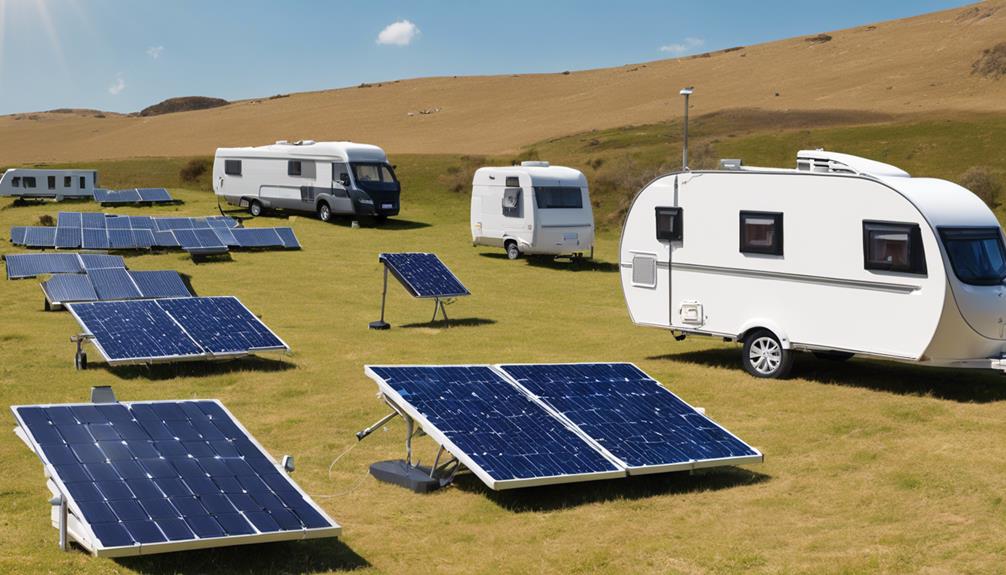
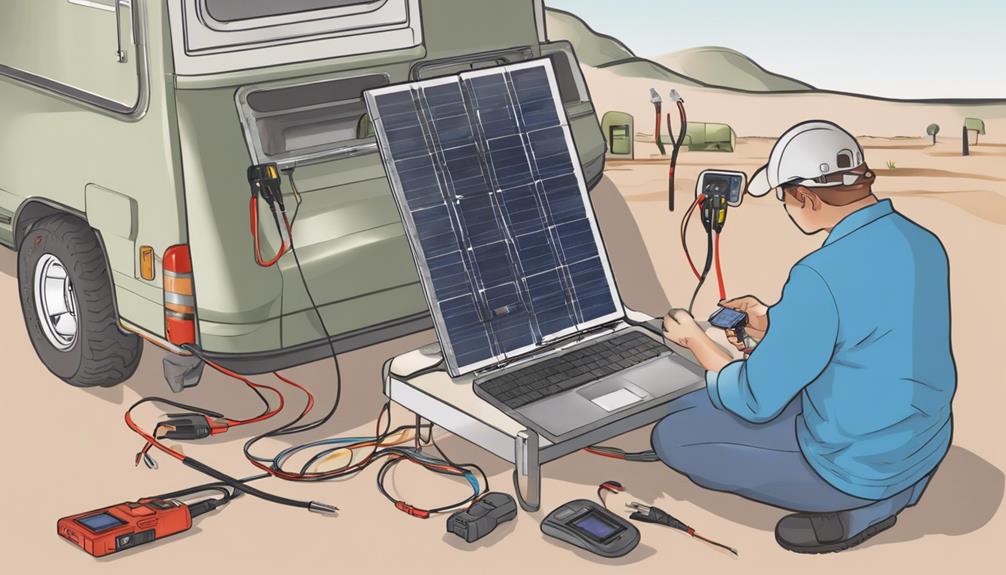
- Portable and marine systems: Designed for camping or boats and differ from rooftop systems in mounting, wiring, and batteries.
- Off-grid systems: Require batteries and a larger design focus on self-sufficiency.
Quick FAQs
Do panels work on cloudy days? Yes—output is reduced but not zero. Annual production estimates are the right test.
Can solar power my home during an outage? Not by itself. Standard grid-tied systems shut down for safety. Backup requires properly configured batteries and transfer equipment.
How do I compare quotes? Compare estimated annual kWh, total installed cost, warranties, financing costs, and export assumptions rather than just panel count.
If you’re considering solar, start with a site assessment from a reputable installer and check your utility’s current interconnection and export rules. For tax questions or incentive eligibility, consult a qualified tax professional or your state energy office.