Introduction
Photovoltaic (PV) solar electricity is electricity produced directly from sunlight using semiconductor devices called solar cells. This article explains what “photovoltaic” means, how cells produce power, how panels and complete systems are built, and how rooftop PV interacts with homes and the electric grid. It also notes basic benefits, limits, and safety considerations for people new to the topic.
What does “photovoltaic” mean?
“Photo” means light and “voltaic” refers to electric potential. Photovoltaic technology converts absorbed light energy into an electric current inside semiconductor materials, producing electricity directly without first creating heat or mechanical motion.
How does a solar cell make electricity?
At a simple level, a solar cell is a sandwich of semiconductor materials with an internal electrical structure (usually a junction between regions with different electronic properties). When sunlight reaches the cell:
- Some photons are absorbed by the semiconductor, transferring energy to electrons.
- The cell’s internal electric field and material structure create conditions that separate charge and drive electrons in a preferred direction.
- Conductive contacts on the cell collect those charges and allow current to flow through an external circuit.
Silicon is the dominant material in commercial modules, but other semiconductor types and thin-film technologies are also used.
Solar cells, modules, arrays, and PV systems
PV installations are built from a clear hierarchy of components:
- PV cell / solar cell – the individual semiconductor device that generates current.
- PV module (panel) – a packaged group of connected cells. “Panel” is common consumer language; “module” is the technical term.
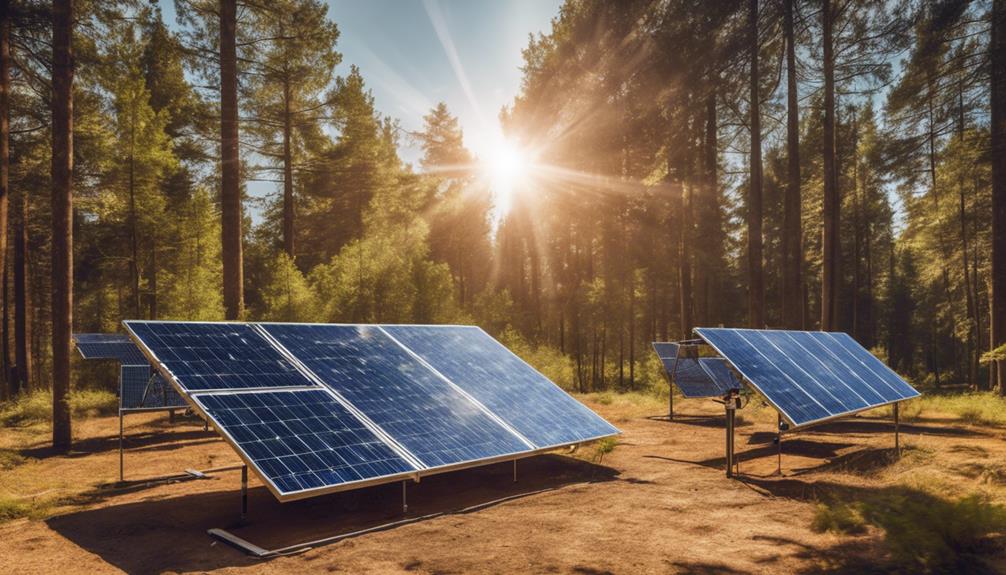
- PV array – multiple modules connected together to increase power output.
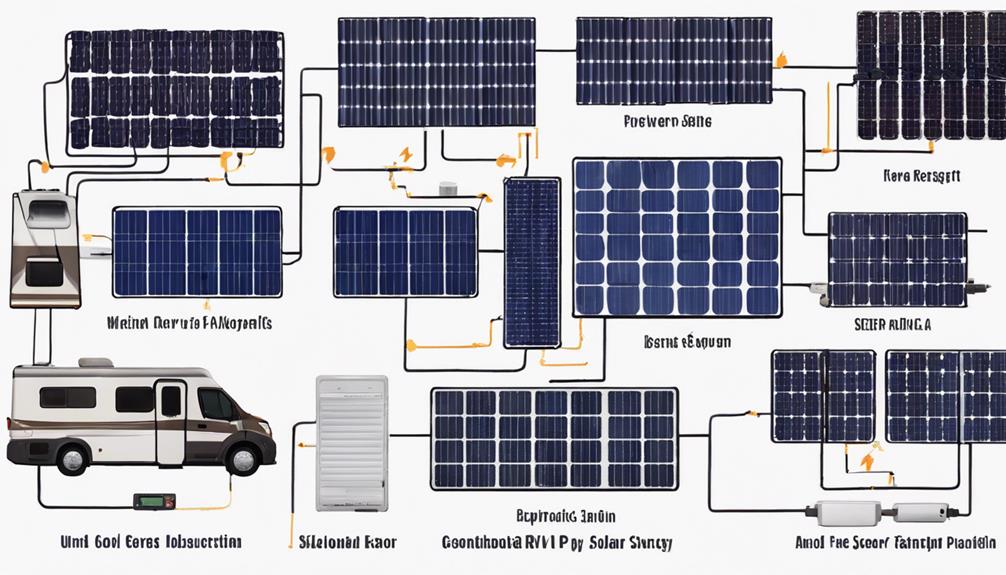
- PV system – the full installation: array plus mounting, wiring, inverters, safety and protection equipment, and sometimes batteries or monitoring gear.
Why do solar panels need an inverter?
Solar cells and modules produce direct current (DC). Most home appliances and the electric grid use alternating current (AC). An inverter converts the DC from the panels into AC that can power household circuits or be exported to the grid. Inverters also provide safety functions, monitoring, and grid-interconnection features. System designs vary: some use a central or string inverter, while others use module-level microinverters or power optimizers to improve performance in shaded or complex roofs.
How rooftop solar supplies a home
A typical grid-tied rooftop PV system operates like this:
- During sunlight, the system first powers on-site loads (lights, appliances) directly.
- If production exceeds immediate needs, the surplus can be exported to the utility grid. Compensation for exported energy depends on the utility and local rules (net metering or other arrangements).
- When solar production is insufficient, the home draws electricity from the grid.
- If batteries are installed (solar-plus-storage), some generated energy can be stored for later use. Off-grid systems rely on batteries or alternative generators and operate independently of the utility grid.
Important: most grid-tied systems are designed to shut down during a grid outage to prevent unsafe “islanding.” Backup power during outages requires approved battery-equipped systems or special equipment.
PV solar vs. solar thermal and concentrating solar power (CSP)
| Technology | What sunlight becomes first | Typical electricity pathway |
|---|---|---|
| Photovoltaic (PV) | Electricity inside a semiconductor | DC from cells → inverter → AC for home/grid |
| Concentrating solar power (CSP) | Heat produced by focused sunlight | Heat → steam or engine → turbine/generator → electricity |
| Solar thermal | Heat for water or space heating | Sunlight → heated fluid or water (not directly an electrical process) |
What affects PV electricity production?
- Time of day and season (sun angle and daylight hours).
- Location and panel orientation/tilt.
- Weather and cloud cover—panels still produce in cloudy conditions but usually less than in direct sun.
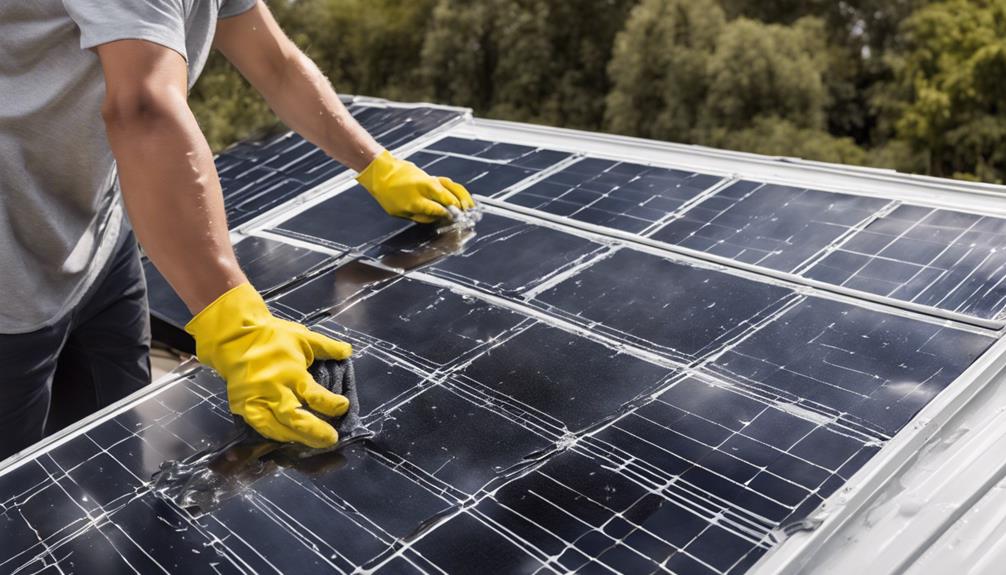
- Shading from trees, buildings, or soiling from dust and snow.
- System design, equipment quality, and temperature (panels can be less efficient at high temperatures).
Advantages and limitations
- Advantages: PV systems produce no air pollutants or direct carbon dioxide emissions while operating, can be installed at many scales, and use abundant sunlight.
- Limitations: output is variable and depends on sunlight; systems need roof or ground area; batteries add cost and involve energy losses; actual financial and energy benefits depend on system size, local electricity rates, interconnection rules, and site conditions.
Safety, permits, and incentives
Grid-tied PV systems require proper installation by qualified professionals, local permits, and utility interconnection approval. Rules for exporting electricity to the grid (net metering or other compensation) and any incentives vary by jurisdiction and can change. For U.S. readers: as of June 2024 the IRS indicated the Residential Clean Energy Credit is not available for qualified property placed in service after December 31, 2025—check current IRS and local guidance for the latest information.
Summary
Photovoltaic solar electricity converts sunlight directly into electric current using semiconductor cells. Cells are combined into modules (panels), arrays, and full PV systems that include inverters to change DC into usable AC. Rooftop PV can run household loads, export surplus to the grid under local rules, and pair with batteries to shift energy in time. PV is distinct from solar thermal and concentrating solar power, which use sunlight to produce heat as an intermediate step. If you are considering PV, learn about local permitting, interconnection rules, and site-specific factors that affect performance and value.