Start with something you can see and touch
Pick a small, commercially made low-voltage solar kit—something that powers an LED, spins a tiny motor, or runs a toy car. Begin with a question for the family: “What happens when the light changes?” That simple experiment opens the door to how sunlight turns into electricity and how storage and the electric grid fit into the larger picture.
How sunlight becomes electricity (in plain language)
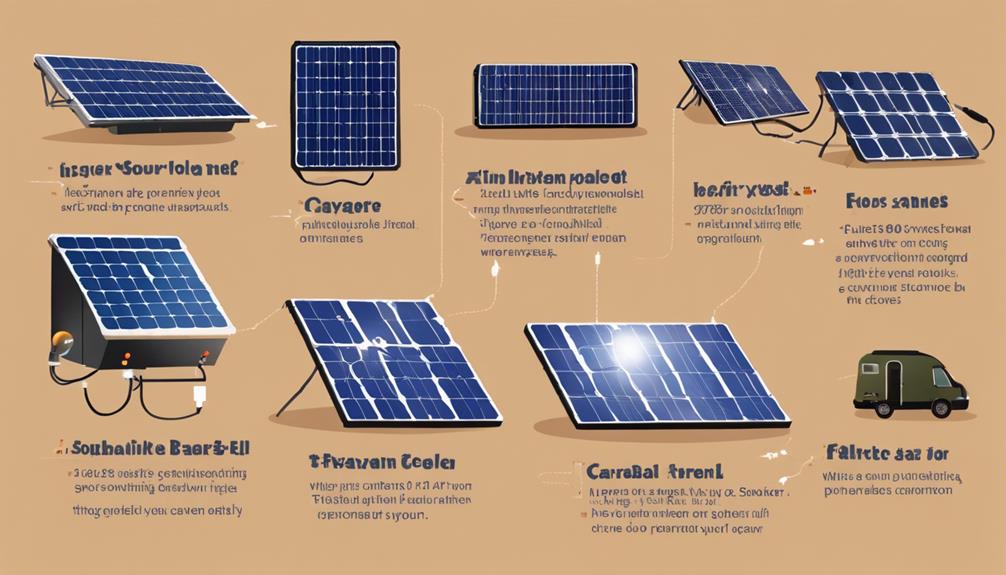
Photovoltaic (PV) cells, often called solar cells, convert sunlight directly into direct-current (DC) electricity. A PV panel or module is a group of these cells packaged together. When sunlight hits the cells, small electrical currents flow and can power a low-voltage device or charge a battery.
For a home, the DC electricity from panels typically flows through an inverter that converts it into alternating current (AC) used by most household appliances. In a full system you’ll hear words like solar-plus-storage (panels with batteries), grid-tied (connected to the utility), and distributed energy resources (smaller, local energy sources such as rooftop PV and batteries).
Try these simple comparisons with a solar kit
Use the kit to show how output changes under different conditions. Always supervise children and use kits designed for safe, low-voltage education.
- Direct sun vs. shade: Put the panel in full sun and then under a tree. Does the LED dim? Does the motor slow?
- Panel angle: Tip the panel up and down. Which angle makes the toy run fastest? This shows how panel orientation affects how much sunlight the cells receive.
- Time of day: Try the same test in the morning, near noon, and late afternoon. Solar output often peaks near midday when the sun is highest.
- Panel to battery: If your kit includes a rechargeable battery, charge it with the panel and then cover the panel. Can the toy keep running from the battery? This demonstrates energy storage.
What to observe
- Does brightness or motor speed change gradually or suddenly?
- Does cloudy weather stop power completely, or only reduce it?
- How long does the battery run compared with how long the sun was shining?
Introduce storage, and explain energy vs. power
Use the experiment to explain that batteries store electrical energy, not sunlight. Energy (measured in kilowatt-hours, kWh) is the total amount stored or used over time. Power (measured in watts or kilowatts) is the rate at which electricity is produced or used—how quickly a device uses energy.
So a small battery might run an LED for hours (low power) but would not run a whole house for long. Batteries also lose some energy when they charge and discharge—nothing is perfectly efficient.
Connect the toy to the home electricity picture
After the hands-on part, use a simple diagram to link the kit to a household system:
- sunlight → PV panels → inverter → home appliances
- sunlight → PV panels → battery storage → home (later)
- sunlight → PV panels → excess electricity sent to the grid
Explain that many homes are grid-tied: they use solar when it’s available, send extra electricity to the utility, and draw from the grid when solar production is low. Sending and receiving electricity with the grid depends on local rules and your utility company.
Why a typical rooftop system won’t keep your lights on during an outage
Most grid-tied systems automatically shut down during a power outage for safety reasons. To keep some circuits running during a blackout, a home needs equipment designed to isolate itself from the grid and supply chosen loads—usually a compatible battery and inverter. That setup is sometimes part of a microgrid or a solar-plus-storage system designed for resilience.
Safety and kit selection
Choose commercially manufactured educational kits labeled for family use and low-voltage operation. Always supervise children. Safety reminders:
- Do not connect demonstration panels or batteries to household outlets or mains wiring.
- Keep electrical contacts dry and avoid damaged wires or exposed conductors.
- Handle rechargeable batteries carefully—don’t short them, puncture them, or leave them in direct high heat.
- Be mindful of outdoor heat and sun exposure; wear sunscreen and keep kids hydrated during longer sessions.
Broader ideas to explore as a family
Once kids understand the basics, broaden the conversation: rooftop solar vs. community solar vs. utility-scale solar, how inverters and batteries help integrate distributed energy resources, and how the grid balances generation and demand. Emphasize that a small demonstration teaches principles—not the capacity or behavior of a full residential system.
Questions to spark curiosity
- What changed when the panel was shaded? Why?
- Which household devices need more power than your kit can provide?
- When does your family use the most electricity during a day?
- Could a battery make a difference for any of those uses? How long would it last?
These hands-on moments help children connect sunlight, electricity, storage, and the grid in practical, memorable ways. If your family wants to learn more about home systems, contact your local utility or state energy office for guidance on rules, permitting, and safe installation—never attempt mains wiring at home without professionals.