Lede
Short answer: yes — a novice can build small, educational or off‑grid PV modules to power lights or charge batteries and learn how photovoltaic technology works. No — building durable, certified rooftop modules for a grid‑tied home that pass inspections, carry warranties, and qualify for incentives is generally not realistic without factory equipment and professional installation.
Quick verdict
- Realistic: small panels (tens to low hundreds of watts) for learning or dedicated off‑grid loads.
- Not realistic: certified rooftop/grid‑tied modules that meet UL/IEC testing, insurer and utility requirements.
- Always check permits, interconnection rules and insurance before any installation.
How solar panels are made — a short primer
Commercial PV modules start with individual PV cells (monocrystalline or multicrystalline silicon, or thin‑film variants). Cells are electrically tabbed and stringed together into an array, laid between a tempered low‑iron glass front and a protective backsheet (or glass‑glass), and sandwiched with an encapsulant such as EVA or POE. That sandwich is factory‑laminated under heat and vacuum, edge‑sealed, and fitted with a sealed junction box containing bypass diodes. Finished modules undergo electrical and environmental testing to IEC/UL standards (IEC 61215 / IEC 61730, UL 61730) to verify safety and long‑term performance.
What “building a panel” means in practice
A DIY panel project typically involves buying cells, tabbing wire, soldering cells into strings, mounting them on a rigid substrate, applying an encapsulant and protective cover, adding a junction box and diodes, and sealing the edges. Tools and skills required include a good soldering iron or tabbing station, lamination or vacuum bagging capability (to reduce air gaps), careful handling of brittle cells, and accurate electrical testing equipment.
Expect tolerances and workmanship to matter: poor solder joints or uneven lamination lead to hot spots, moisture ingress and accelerated degradation. Factory automation and climate‑controlled lamination equipment are hard to replicate in a garage, which is why DIY modules usually don’t match factory reliability.
Safety, code & legal checklist
- Certification: Inspectors, utilities and insurers commonly require NRTL/IEC (UL/IEC)‑listed modules for grid‑tied installations — DIY modules won’t have that testing and may be rejected for permitted work (UL / IEC guidance).
- Permits & AHJ: The NEC and local authorities set requirements for labeling, disconnects and rapid‑shutdown; local rules for homeowner electrical work and interconnection vary — check your AHJ before you start (legal/permit guidance).
- Fire & shock: Poorly sealed or improperly wired DC panels increase fire, arc and shock risk, especially as system voltage and string length rise (DOE fire‑safety guidance).
- Insurance & incentives: Using uncertified modules can void home insurance or disqualify you from net‑metering and incentive programs.
Cost, performance & lifecycle comparison
On a small scale, DIY can be cheaper in cash outlay but often more expensive per watt when you value your time, testing, materials and BOS components (racking, wiring, inverters or charge controllers). Factories benefit from automation and warranties; modern crystalline modules typically retain ≥80% of nameplate power at 25 years under warranty, while DIY panels usually suffer higher degradation because of inferior encapsulation and QA (module lifespan summary).
For larger or rooftop, grid‑tied installs the balance‑of‑system (BOS) — racking, MLPE (microinverters or optimizers), wiring, permitting and commissioning — and the need for certified modules usually make factory products and professional installers more cost‑effective.
When DIY makes sense
- Educational projects to learn soldering, electrical testing and PV basics.
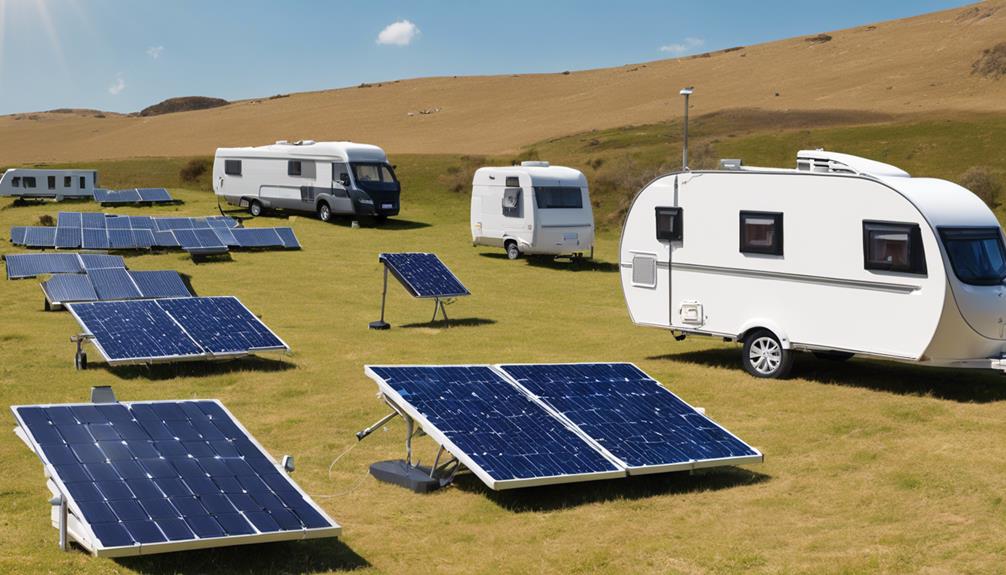
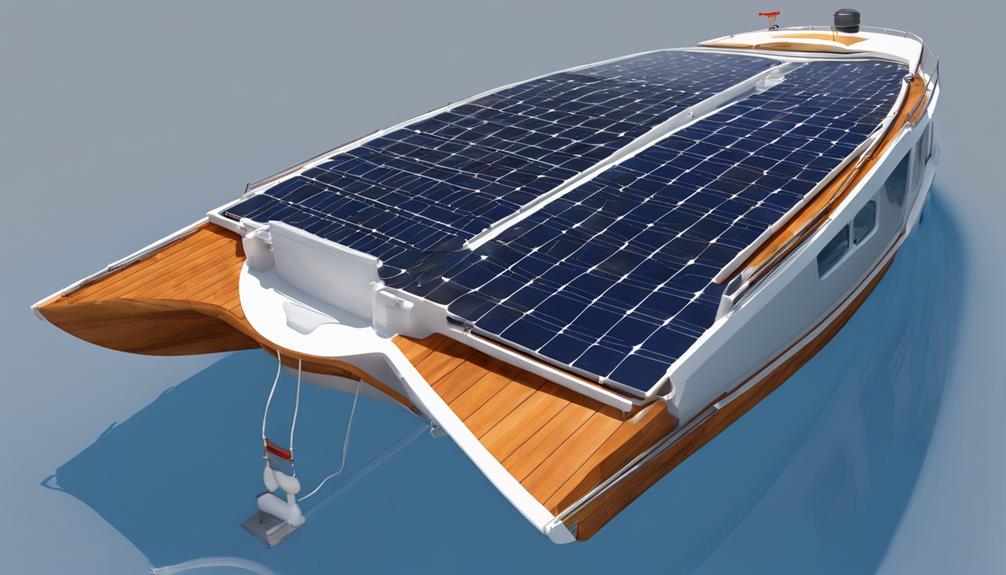
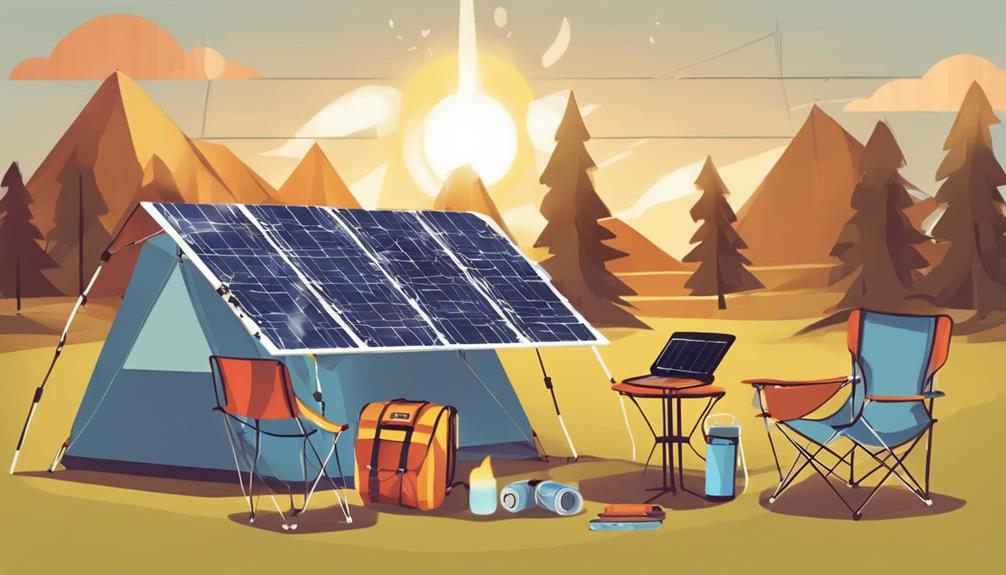
- Small off‑grid uses: battery charging for sheds, boats, RVs or remote sensors where certification isn’t required.
- Prototyping unusual shapes or building demonstration modules for teaching or art installations (not primary home rooftop power).
Practical steps for novices who still want to try
- Start tiny: buy a kit or assemble a single small panel (20–50 W) to gain soldering and lamination experience.
- Practice tabbing and stringing on spare cells; test open‑circuit and maximum‑power voltage/current with a multimeter and IV test gear if possible.
- Use proper materials: tempered glass or clear PET for covers, EVA/POE encapsulant, and a weatherproof junction box — avoid plywood or improvised covers.
- Keep it low‑voltage: build panels for 12–24 V battery systems and use a proper charge controller to avoid high DC voltages that increase risk.
- Hire a licensed electrician for any grid tie‑in and consult the AHJ before attempting permanent rooftop work.
- Document and test: perform insulation and flash tests, check for hot spots with thermal imaging, and monitor performance over months before trusting a DIY module for critical use.
Environmental & disposal considerations
Solar modules can contain regulated or hazardous constituents (and some thin‑film technologies include cadmium). End‑of‑life recycling infrastructure and rules are evolving; improper disposal of broken or damaged panels can create environmental liabilities. Plan for recycling or proper disposal and follow EPA guidance on end‑of‑life management (EPA).
Final recommendations & next steps
If your objective is long‑term savings and a grid‑tied rooftop system, get quotes for certified products and professional installation. If your goal is learning or powering small off‑grid loads, start small with kits, practice safe wiring and materials, and always check local permitting and insurance rules before scaling up.