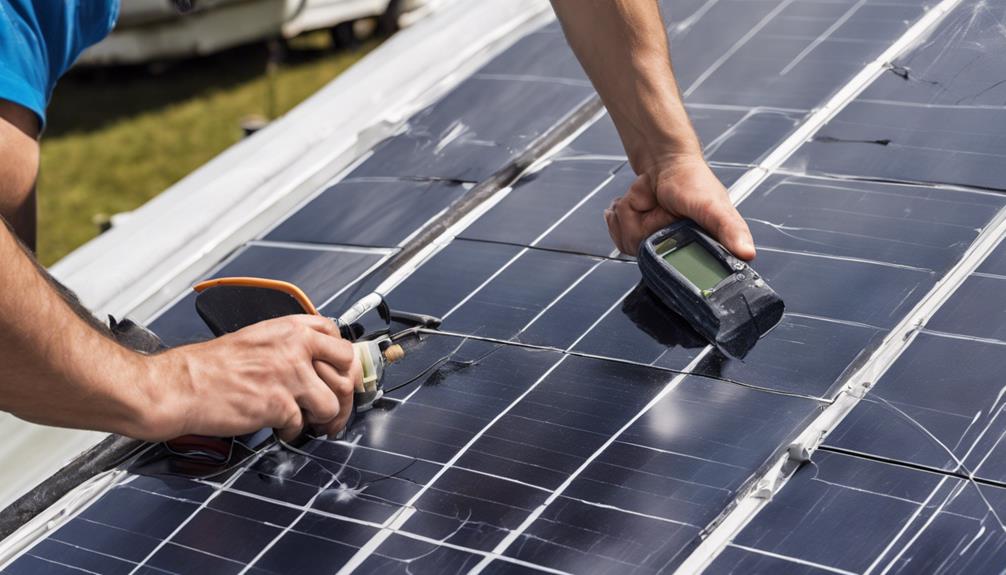
Photovoltaic (PV) systems—commonly called solar panels—convert sunlight directly into electricity that can power homes and small businesses. Solar can reduce the amount of electricity you buy from the utility and, depending on local rules, may allow you to export excess power. Whether a PV system is a good fit depends on site conditions, equipment choices, financing, and utility policies.
How photovoltaic solar panels work
Sunlight is made of photons. When photons strike a PV cell (a semiconductor device), they can transfer energy to electrons and free them to flow as an electrical current. Individual cells are assembled into modules (solar panels), and modules can be combined into an array. PV modules produce direct current (DC) electricity; an inverter converts DC into alternating current (AC) for household use and to meet grid requirements.
Main parts of a solar electric system
A complete residential system includes more than panels alone:
- PV modules (panels): the packaged cells that generate DC power.
- Mounting and racking: roof or ground structures that secure panels and set tilt/orientation.
- Inverter equipment: string inverters, microinverters, or power optimizers that convert DC to AC and manage performance.
- Balance of system: wiring, disconnects, combiner boxes, safety devices, and monitoring hardware.
- Monitoring: software or devices that report production and help spot faults.
- Optional battery storage: stores electricity for later use or backup power.
- Permitting and interconnection: utility-approved equipment and paperwork to connect to the grid.
How much electricity can solar panels generate?
Two related terms are useful: nameplate capacity (kW) describes a system’s rated power under test conditions, while energy production (kWh) describes electricity produced over time. Actual energy production depends on many factors:
- Available sunlight by location, season, and time of day.
- Orientation and tilt of the roof or ground mount.
- Shading from trees, buildings, or nearby objects.
- Weather, temperature, dust, snow, and soiling.
- System size, equipment choices, and installation quality.
- Gradual performance decline (degradation) over time—reviewed data show a median degradation of about 0.5% per year, though actual rates vary.
Because production is site-specific, get a professional, location-based estimate rather than relying on generic kWh numbers.
Grid-tied, off-grid, and solar-plus-storage
Most residential PV systems are grid-tied: they feed power to the home and can export surplus to the utility. A standard grid-tied system typically shuts down during a utility outage for safety. Providing power during outages requires a system designed for backup—usually batteries plus approved automatic transfer and inverter equipment that can “island” the home from the grid.
An off-grid system is sized to operate independently and generally relies on batteries and careful load management. Solar-plus-storage increases resilience but adds cost and complexity; whether to include batteries depends on outage risk, budget, and desired backup duration.
Export compensation—net metering or other crediting mechanisms—varies by state and utility and can materially affect the economics of a PV system.
Advantages and limitations
Benefits:
- Generates electricity with no on-site combustion emissions during operation.
- Can lower purchased electricity if the system is appropriately sized and matched to local rates and policies.
- Can provide power where grid access is limited (with proper design).
Limitations and tradeoffs:
- Output is variable and dependent on sunlight—storage is required to supply power when it’s dark or cloudy.
- Requires adequate unshaded area; an aging or damaged roof can complicate installation.
- Upfront costs, permitting, electrical upgrades, and interconnection fees can affect project feasibility.
- Components (inverters, batteries) may need replacement during the system’s life; panels degrade slowly over decades.
Installation, maintenance, and expected lifespan
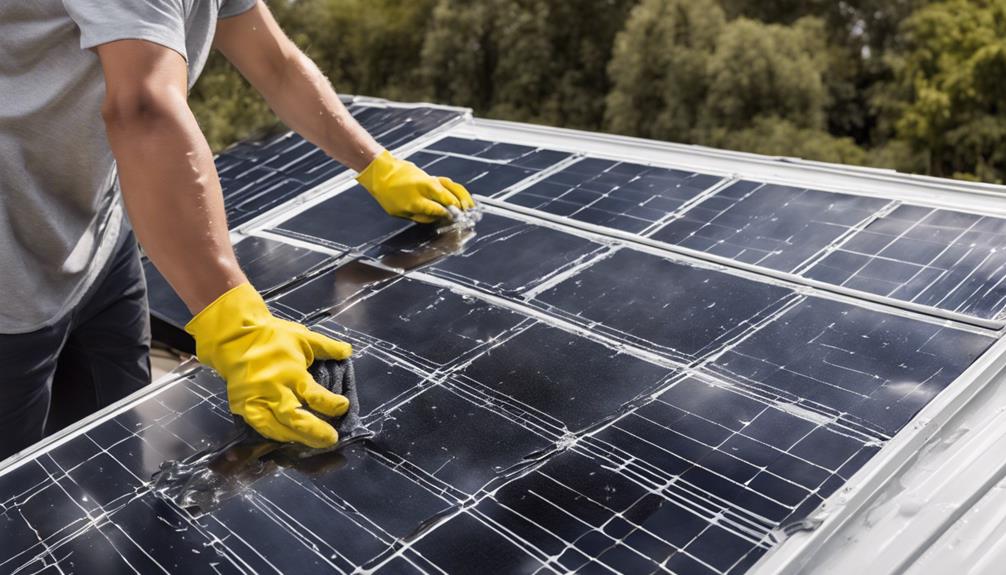
Installers assess roof condition, orientation, structural capacity, and electrical panels before quoting a project. Typical homeowner maintenance is generally low but not zero: monitoring, occasional cleaning in dusty areas, vegetation trimming, storm inspections, and addressing electrical warnings are common tasks. String inverters often last around 10–15 years, while PV modules commonly last longer; recent guidance places typical panel operational life in a roughly 25–35 year range as of 2025, with variation by product and climate.
Separate warranties often cover panels, inverters, batteries, and workmanship—review these carefully and confirm installer licensing and insurance.
Costs, incentives, and consumer protection
Installation cost depends on system size, equipment choices, roof condition, labor, permitting, and financing. Payment options may include purchase, loan, lease, or power-purchase agreements; each has different risks and benefits. Tax credits, rebates, and utility incentives change frequently and are location-specific. As of July 2026, IRS guidance indicated that the federal Residential Clean Energy Credit applied only to qualified properties placed in service through December 31, 2025; check current IRS and state guidance or consult a tax professional for up-to-date information.
Get multiple written estimates that separate equipment, labor, permits, and financing. Verify installer licenses, insurance, references, warranties, and expected production estimates. Be cautious of high-pressure sales, promises of completely eliminating your electric bill, or “free solar” claims—consumer protection authorities advise skepticism of such offers.
Is solar right for your property? A quick checklist
- Is the roof structurally sound and not due for replacement soon?
- Is there significant shading during peak sun hours?
- Do you have the unshaded area needed for the desired system size?
- What is your annual electricity use (kWh) and time-of-use pattern?
- What are your utility’s export and interconnection policies?
- Do you want backup power during outages?
- Are installer licenses, warranties, and written estimates clear and comparable?
Conclusion
Solar PV can produce meaningful electricity for homes and small businesses, but suitability and financial performance depend on site-specific factors, equipment choices, and local utility rules. A reputable installer can provide a tailored production estimate and walk through options, costs, warranties, and permitting requirements so you can decide whether a PV system makes sense for your property.