Introduction
Solar panels — more precisely photovoltaic (PV) panels — convert sunlight into electricity. A complete PV power system includes more than the panels themselves: mounting hardware, electrical components, and sometimes batteries and control equipment. This article explains the basic concepts behind PV panels, how they fit into residential and small-scale systems, what affects their output, and common uses, advantages, and limitations.
What are solar panels?
A solar panel (often called a PV panel or PV module) is an assembly of individual solar cells made from semiconductor materials. Silicon is the most common semiconductor used today, but other materials exist. Cells are wired together inside a weather-resistant frame and protective layers so the module can be mounted on a roof, a ground rack, or a vehicle.
One module contains many cells so it can produce useful voltage and current. Multiple modules connected together form a PV array that delivers higher power output for a home, boat, RV, or other installation.
How do PV panels make electricity?
The basic sequence is:
Sunlight → photovoltaic cells → DC electricity → inverter → AC electricity → appliances, battery, or grid
Sunlight is made of photons. When photons strike a PV cell, they can transfer energy to electrons in the semiconductor. The cell’s internal electric field directs those charge carriers into a current that flows through an external circuit. That current is direct current (DC). Since most homes and the grid use alternating current (AC), an inverter is normally used to convert DC into usable AC.
Main parts of a residential PV system
- PV panels/modules: convert sunlight to DC electricity.
- Mounting and racking: attach panels to roofs or the ground at a chosen tilt and orientation.
- Inverter(s): convert DC to AC. Options include string inverters (serving groups of panels) and microinverters (one per panel) which can reduce shading impacts.
- Wiring and electrical protection: breakers, fuses, grounding, and disconnects required for safety and code compliance.
- Metering and monitoring: track production and, for grid systems, measure exchanges with the utility.
- Batteries and charge controllers: used in off-grid systems or hybrid systems to store energy; charge controllers regulate charging for battery longevity.
PV panels, batteries, and the grid
There are three common arrangements:
- Grid-tied systems: Connected to the utility grid; they export excess generation and draw from the grid when needed. Standard grid-tied systems typically shut down during a grid outage for safety unless dedicated backup hardware is installed.
- Off-grid systems: Designed to operate independently of the grid and generally require batteries, charge controllers, and system controls sized for the load and local sunlight.
- Hybrid systems: Grid-connected systems that include battery storage and controls to provide backup or time-shifting of energy use; proper equipment and anti-islanding protection are required for safe backup operation.
Importantly, panels generate electricity only when sunlight is available; batteries store that electricity for later. Adding batteries does not automatically provide outage power unless the system includes compatible inverters and transfer equipment.
What affects solar panel output?
- Sunlight availability: Time of day, season, and geographic location determine how much sunlight reaches panels.
- Clouds and weather: Reduce output but do not always eliminate generation.
- Orientation and tilt: Proper facing and angle increase production relative to roof layout and local latitude.
- Shading: Even partial shading of a panel or string can disproportionately reduce output; microinverters or optimizers can mitigate this effect.
- Temperature: PV cells often perform slightly better at lower temperatures, though sunlight intensity is usually the dominant factor.
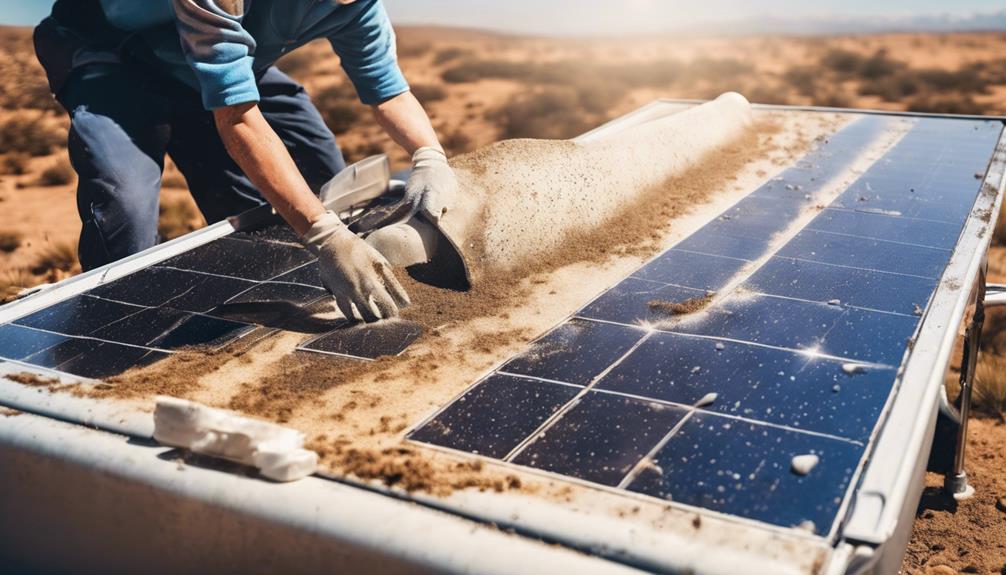
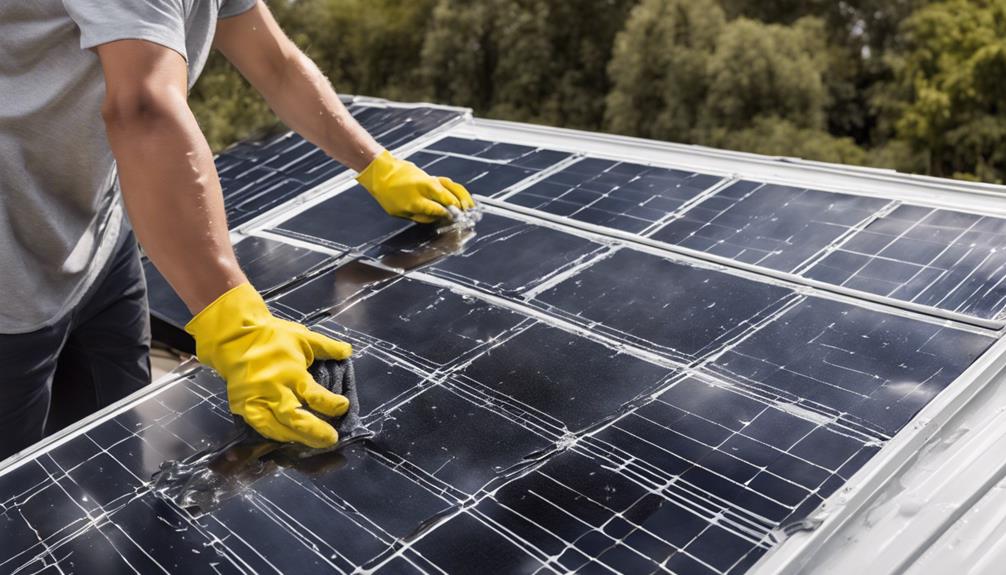
- Soiling and maintenance: Dirt, debris, or snow can reduce output; periodic cleaning and inspection help maintain production.
- System losses: Inverter efficiency, wiring resistance, and mismatch between panels affect the final AC energy delivered.
Common uses
- Residential rooftops and ground-mounted home systems.
- Boats and marine systems sized for DC loads or connected through inverters.
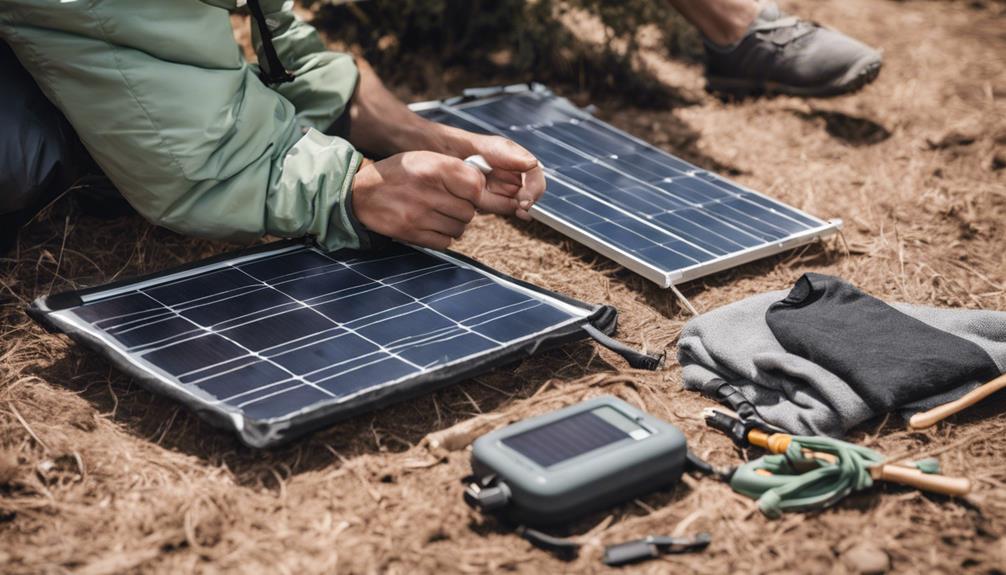
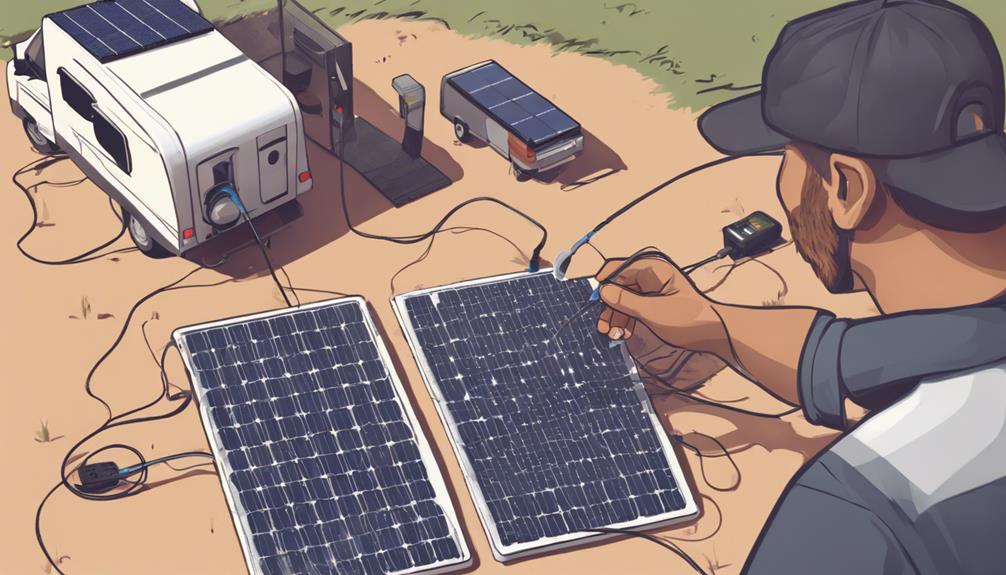
- RVs and camping setups using panels, charge controllers, and batteries.
- Remote or off-grid equipment and communications sites.
- Utility-scale arrays providing large-scale generation where land and interconnection are available.
Advantages and limitations
Advantages:
- Generate electricity without direct on-site combustion or operational CO2 emissions.
- Flexible mounting options (rooftops, ground, vehicles).
- Useful in both grid-connected and remote applications.
Limitations:
- Production is variable and depends on sunlight and site conditions.
- Batteries add cost and complexity if backup or off-grid operation is required.
- Roof condition, shading, and available area can limit feasibility.
- Upfront costs, permitting, and maintenance should be considered; incentives and compensation rules are location- and time-dependent.
Efficiency, lifespan, and expectations
Panel efficiency describes how much incoming sunlight is converted to electrical power; it is distinct from total energy production over time. PV modules gradually lose output capacity over years; warranties and degradation specifications vary by manufacturer. For performance guidance and lifecycle expectations, consult manufacturer documentation and technical resources such as the U.S. Department of Energy and NREL.
Are solar panels worth it?
Whether solar panels are a good choice depends on local electricity prices, available sunlight, system costs, financing, roof suitability, and current incentives or tariffs. Incentive programs, net-metering rules, and tax credits vary by jurisdiction and change over time; verify current local and federal policies before making financial decisions.
Safety and next steps
Solar installation involves roof work, electrical connections, and, in many cases, batteries. Permits, inspections, and adherence to electrical and building codes are important. Work with qualified professionals for installation, and consult official resources such as the U.S. Department of Energy and the U.S. Energy Information Administration for technical background and up-to-date policy information.
Conclusion
PV panels turn sunlight into DC electricity using semiconductor cells; inverters, wiring, mounting, and optional batteries complete a functioning system. Solar can serve homes, vehicles, and remote sites, but performance and value depend on system design, site conditions, and local rules. Understanding the parts of a PV system and the factors that affect output helps set realistic expectations and informs sensible next steps.