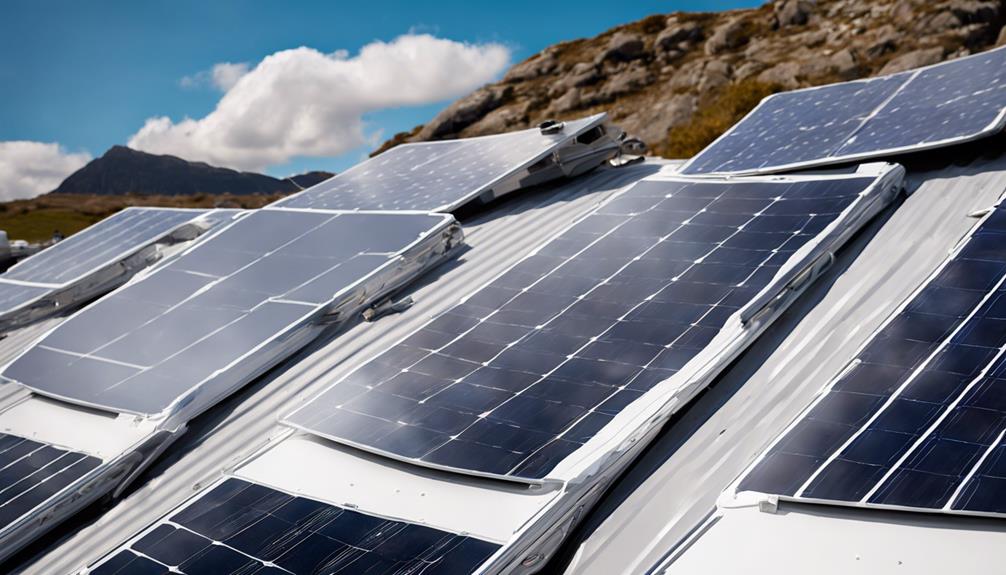
Introduction: What “Build Your Own” Really Means
When people talk about “building your own solar panels,” they usually mean one of three different things: manufacturing PV modules from cells (impractical for reliable residential use), assembling a PV system from commercially manufactured components, or performing some of the installation work yourself. This article focuses on realistic DIY opportunities—sizing, buying, assembling, mounting, and wiring listed components—while stressing safety, code compliance, and when to hire professionals.
Quick safety disclaimer
Safety note: PV modules, inverters, and batteries can present electrical, fire, and fall hazards. Permits, inspections, and local code compliance are mandatory in many jurisdictions. This article is informational only; always follow manufacturer documentation, contact your AHJ and utility before purchasing equipment, and use a qualified electrician for work beyond your training.
When DIY Makes Sense
DIY is most practical for small, well-scoped projects such as:
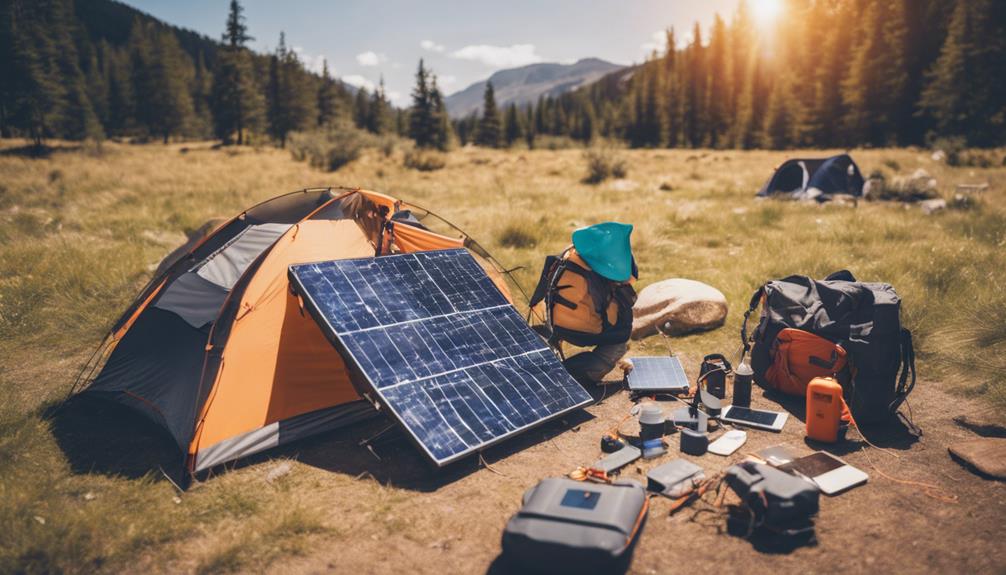
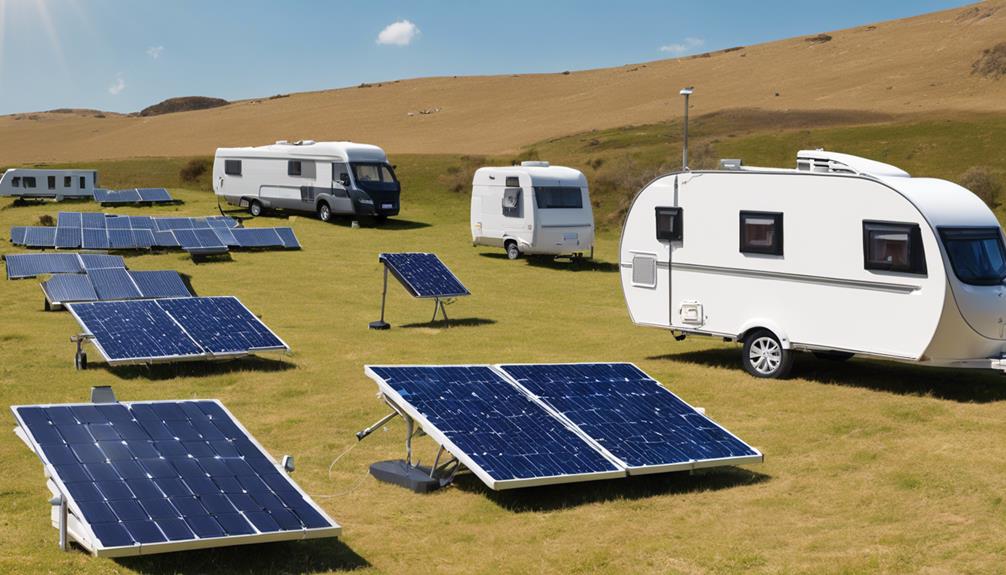
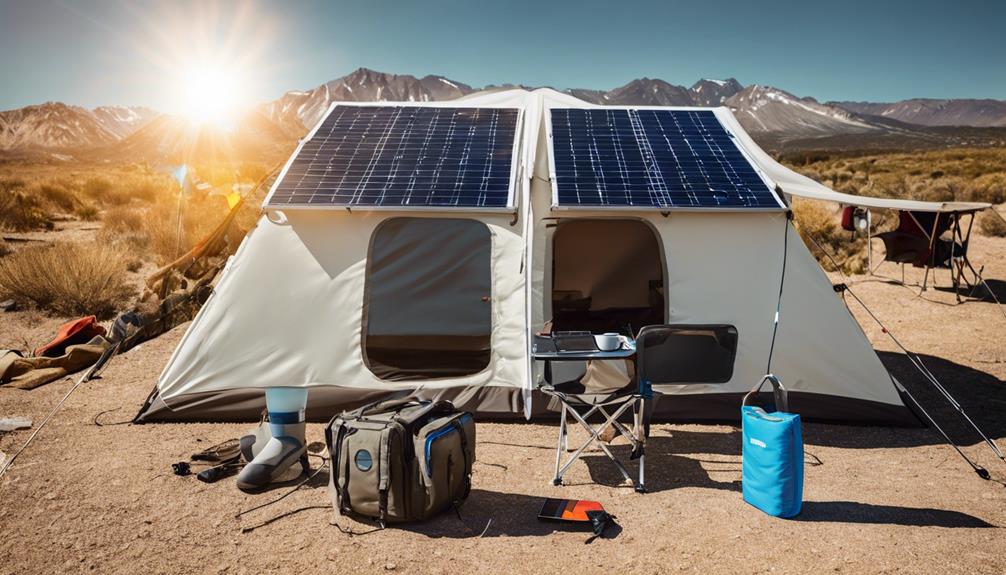
- Powering a shed, workshop, cabin, boat, RV, or camping setup.
- Small off-grid or limited hybrid systems where loads are modest and accessible.
- Ground-mounted arrays with safe, simple access and no complex roof penetrations.
- Owners comfortable with construction, low-voltage wiring, and reading electrical diagrams.
Start with efficiency: reduce loads first (insulation, efficient lighting, eliminating standby loads) to lower PV and BESS size and cost.
When to Hire a Professional
Hire a licensed pro or structural specialist for:
- Roof structural evaluation or complex mounts and roof penetrations.
- Main service-panel work, service upgrades, or any work inside the meter socket.
- Battery energy storage system (BESS) installation, especially lithium chemistries.
- High-voltage DC or AC work, rapid-shutdown/fire-code requirements, and utility interconnection.
- Obtaining interconnection agreements and permission to operate (PTO) for grid-tied systems when required.
Core Components You’ll Need
A PV system is much more than modules. Below is a concise component overview and common DIY pitfalls.
| Component | Purpose | Common DIY issue |
|---|---|---|
| PV module | Generate DC electricity | Mismatched electrical ratings; buying used or uncertified modules |
| Racking & mounts | Secure modules to roof or ground | Inadequate wind/snow loading or poor roof flashing |
| Inverter (string/microinverter) or power optimizers | Convert DC to AC and manage module output | Incorrect sizing or incompatible grid rules |
| Charge controller | Regulate charging to BESS in off-grid/hybrid systems | Wrong type for battery chemistry or current rating |
| Battery energy storage system (BESS) | Store energy for use when PV isn’t producing | Ventilation, thermal management, and protection requirements |
| Disconnects, breakers, grounding | Safety isolation and overcurrent protection | Missing or improperly rated devices |
| Monitoring | Track energy production and system health | Confusing instantaneous power with cumulative energy |
Sizing the System (High Level)
Do this before buying gear:
- Create a load list: watts per appliance and hours used per day.
- Calculate daily watt-hours and account for surge/peak needs.
- Estimate average usable sun hours for your location and season.
- Include system losses (wiring, inverter, BESS round-trip) and safety margins.
- Size BESS separately based on days of autonomy and depth-of-discharge limits.
Avoid universal “panel count” rules; location, orientation, shading, and consumption drive the design.
Cost Categories to Compare
DIY can reduce labor and project-management costs, but startup expenses remain. Compare total installed cost including:
- PV modules and BOS (inverters, racking, wiring).
- BESS and charge controllers where used.
- Permits, inspections, and interconnection fees.
- Tools, safety equipment, and deliveries.
- Professional labor for critical tasks and inspection-related fixes.
- Maintenance and replacement reserves (inverter replacement, battery end-of-life).
Permits, Inspection, and Utility Approval
Contact your local building department and utility before purchasing equipment. Grid-tied systems usually require building/electrical permits, structural review, an interconnection agreement, and PTO from the utility. Rules and fees vary by AHJ, state, municipality, utility, HOA, and property type.
Safety Checklist
- Never work on a roof without fall protection and a safe-access plan.
- Treat illuminated PV modules as energized circuits.
- Use components listed for the intended voltage, environment, and code.
- Follow manufacturer instructions and rapid-shutdown/fire-code requirements.
- Protect cables from abrasion, heat, water, and animals; use correct connectors.
- Have final electrical work inspected and use a qualified electrician for service-panel work.
Deciding If DIY Is Worth It
Use a checklist: Is the system small and off-grid? Can you safely do the work? Are permits obtainable? Will labor savings justify risks and potential warranty or insurance impacts? Often a hybrid approach—doing design and nonhazardous mounting yourself while hiring licensed professionals for panel penetrations, service-panel changes, battery installs, and interconnection—delivers the best balance of savings and safety.
Closing: Reduce Costs Without Cutting Corners
DIY can lower some upfront costs for small PV systems, especially off-grid or accessory installations, but it does not eliminate equipment, permitting, inspection, or safety-related expenses. Verify date-sensitive incentives—for example, the Residential Clean Energy Credit rules referenced government guidance indicating coverage for qualifying property placed in service through December 31, 2025—and consult tax and permitting authorities. For project-specific requirements, rely on manufacturer documentation, your AHJ, your utility, and qualified electricians or structural professionals.