Introduction: can you make solar panels for your house?
Short answer: you can assemble small solar projects yourself, but fabricating reliable rooftop PV modules from scratch is impractical for most homeowners. Installing a grid-tied rooftop PV system is a regulated, multi‑disciplinary job that often requires permits, inspections, utility approval, and qualified professionals.
Making a panel versus installing a solar system
| Project type | Typical DIY suitability | Main concerns |
|---|---|---|
| Small portable/off-grid panel | Moderate | Low‑voltage wiring, weather protection, proper charge control |
| Pre-engineered solar kit | Depends on local rules | Structural and electrical code compliance, battery safety |
| Rooftop grid-tied system | Limited | Permits, roof work, service-panel connections, inspections, utility interconnection |
| Fabricating PV modules from loose cells | Low | Durability, sealing, certification, fire and electrical safety |
How a residential PV system works
Photovoltaic (PV) cells in a PV module convert sunlight into DC electricity. That DC flows through wiring to an inverter (either a string inverter or microinverters) where it becomes AC electricity for household circuits. Excess production may charge batteries (solar-plus-storage) or be exported to the utility under an interconnection agreement and whatever net‑metering or export compensation your utility offers.
Main components of a home PV system
- PV modules (commercially manufactured and certified)
- Mounting or racking and roof attachments
- Inverter(s): string inverter or microinverters
- DC and AC disconnects, overcurrent protection
- Wiring and conduit sized to code
- Monitoring equipment
- Optional batteries and backup equipment with appropriate battery management
- Utility meter upgrades or export metering as required for interconnection
Assess your house before buying equipment
Before planning an installation, check roof solar potential: roof age and remaining life, structural capacity, orientation and tilt, shading from trees or chimneys, household electricity use, main-service capacity, and local weather/wind exposure. A system sized without considering a roof replacement or service upgrade can be more expensive overall.
What a safe DIY project can look like
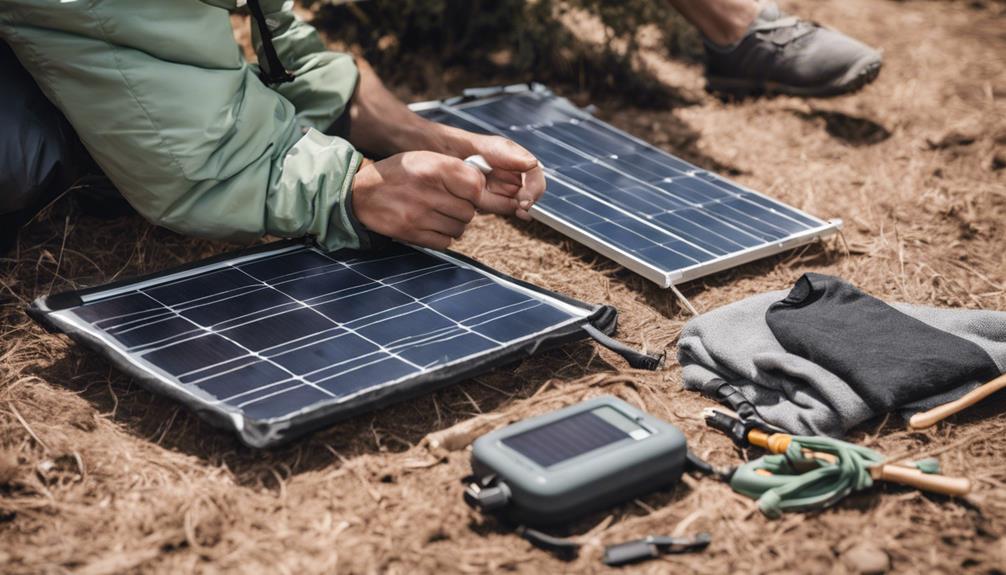
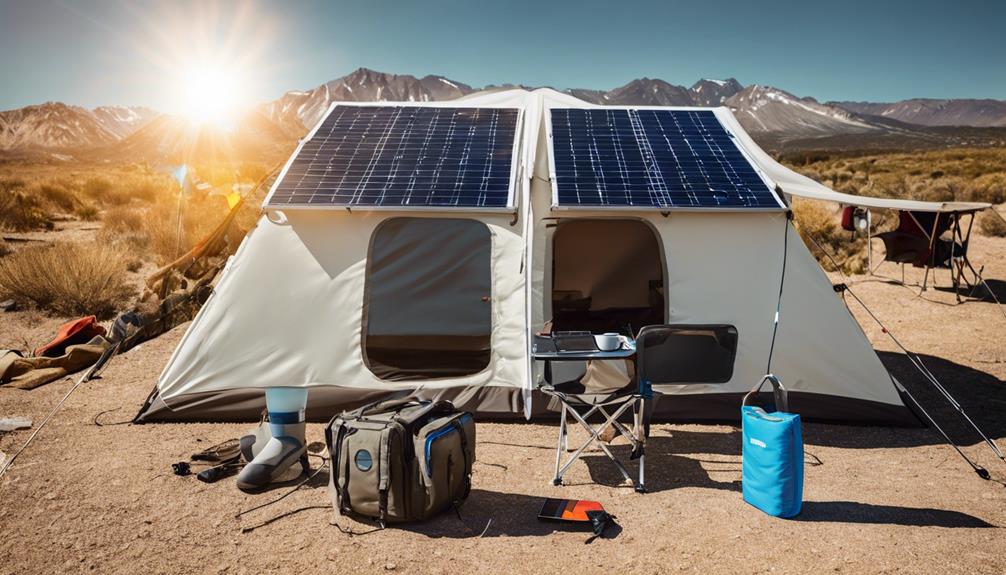
- Start with a small, purpose-built off‑grid kit for a shed, RV, or a limited set of loads. Keep voltages and currents within the kit’s design and follow the manufacturer manual.
- Use matched, certified components: commercial PV modules, listed inverters, and rated disconnects and wiring.
- Follow local electrical code and manufacturer instructions. Keep batteries ventilated and enclosed per manufacturer guidance.
- Do not connect a homemade or isolated system to household wiring or the utility grid without proper design, permits, and qualified electrical work.
When to hire a professional
Hire a qualified installer for rooftop mounting, structural assessment, main service or panel work, grid-tied inverter installation, battery backup systems, roof penetrations, permit submissions, and interconnection paperwork. Look for installers with relevant credentials such as NABCEP certification, and verify local licensing requirements. Professionals reduce risk and coordinate required inspections and permission to operate (PTO).
Permits, inspection, and utility approval
Typical sequence: check local rules and HOA restrictions, assess roof and electrical service, design the system to code, apply for permits and interconnection, install approved equipment, pass inspections, receive permission to operate, and then monitor production. Exact steps, fees, and timelines vary by jurisdiction and utility.
Costs, savings, and incentives
Solar can reduce electricity purchases but rarely eliminates all utility charges. Compare equipment and installation costs, potential roof or service upgrades, battery costs, permits, financing, and ongoing maintenance. Export compensation and net‑metering rules vary widely by utility and state.
Tax note: under current IRS guidance, the federal Residential Clean Energy Credit (section 25D) is not available for expenditures made after December 31, 2025. State, local, and utility incentives may still apply; check current rules for your location and installation date.
Safety warning
PV systems can produce live DC voltage whenever sunlight is present—even if the home’s main breaker is off. Rooftop work involves fall and roof-damage hazards. Improper wiring, poor components, or incorrect installation can cause fires or dangerous backfeed to the grid. Do not attempt main‑panel wiring, rooftop mounts, or grid connections without appropriate licenses, permits, and professional oversight.
Bottom line
DIY solar is useful for small, educational, or off‑grid projects and for powering remote loads. Fabricating permanent rooftop PV modules from loose cells is generally not recommended because of durability and safety concerns. For a whole‑house, grid‑tied system, the safer and more practical route is usually to use certified PV equipment and work with qualified installers who will manage permits, inspections, and utility interconnection.
Because codes, incentives, and utility rules change, review your plans with your AHJ and utility and consult a professional installer before proceeding.