Introduction
DIY solar covers a wide range of projects, from a small portable charging kit for camping to a rooftop photovoltaic (PV) array tied to your home electrical service. This article explains what homeowners can reasonably do themselves, what work should be done by licensed professionals, and which regulations and safety issues matter in the United States as of July 24, 2026.
Prominent safety note
Working on roofs, with DC conductors, or with batteries can be dangerous. Falls, electrical shock, arc flash, and battery fire are real hazards. Before any installation or electrical work, contact your local permitting authority, your utility, and consider hiring qualified professionals for rooftop, service-panel, and battery work.
Decide what kind of solar project you want
Start by choosing the project type; it determines suitability for DIY:
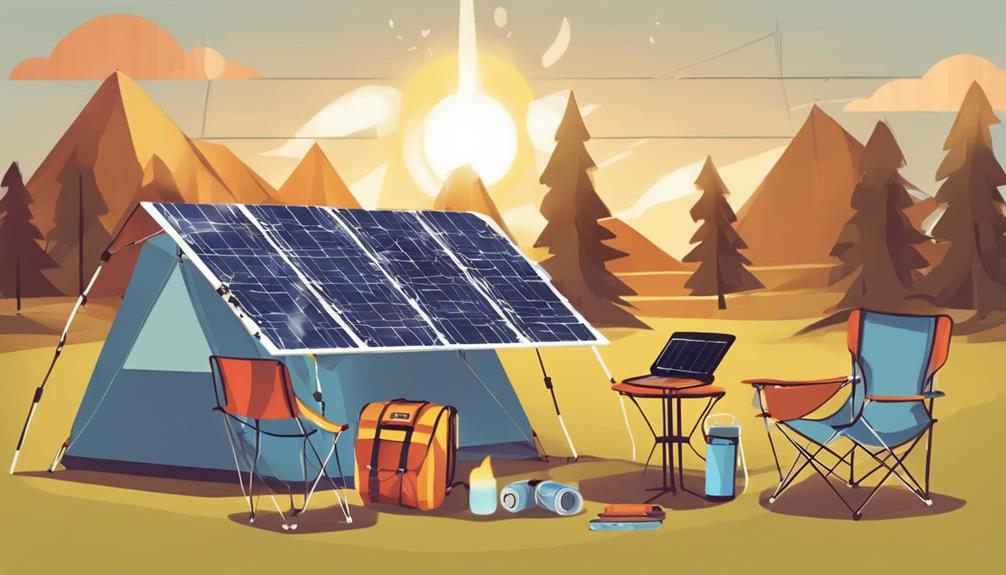
- Portable solar kits (camping, small electronics): Often suitable for careful DIY assembly and use per the manufacturer’s instructions.
- Small off-grid DC systems (sheds, pumps): Possible for experienced DIYers who understand DC wiring, charge controllers, and batteries.
- Off-grid AC systems (remote cabins): Requires careful design—batteries, inverters, grounding—and is usually challenging for most homeowners.
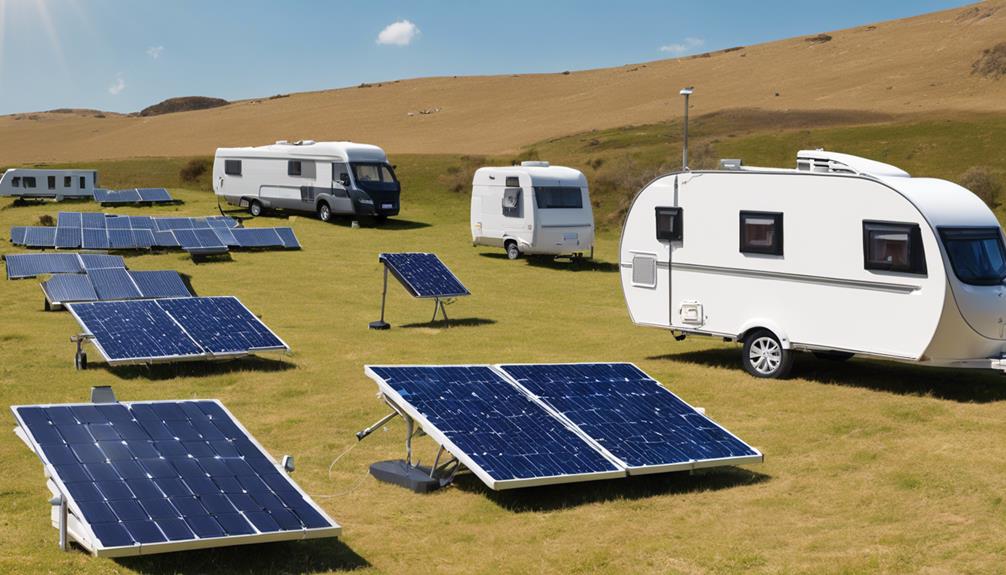
- Rooftop grid-tied systems (reduce utility purchases): These involve structural, electrical, permit, and utility interconnection requirements; professional design/installation is usually recommended.
- Solar-plus-storage (backup power): Because batteries and backup switching add complexity and safety risks, professional design and installation are strongly recommended.
How a residential PV system works
At a basic level:
- Sunlight → PV modules → DC wiring → inverter → AC loads and/or the utility grid.
- For battery-backed systems: PV modules → charge controller or hybrid inverter → battery → inverter/selected loads.
Standard grid-following inverters require the utility’s voltage reference and will shut down during a grid outage to protect line workers. To run loads during an outage you need appropriately designed storage, transfer equipment, and an inverter capable of islanded or grid-forming operation.
Check your home before buying panels
Evaluate these site factors before ordering equipment:
- Roof age, remaining service life, and warranty or roofing-material restrictions.
- Roof structure and load capacity—can it safely support an array?
- Roof pitch, orientation, and shading from trees, chimneys, or neighbors.
- Existing electrical panel capacity and service configuration.
- Local solar resource and an estimated production using tools such as PVWatts.
- Whether you want backup power and, if so, which loads are critical.
Equipment a DIY project may need
Components vary by system type and code requirements. Typical items include:
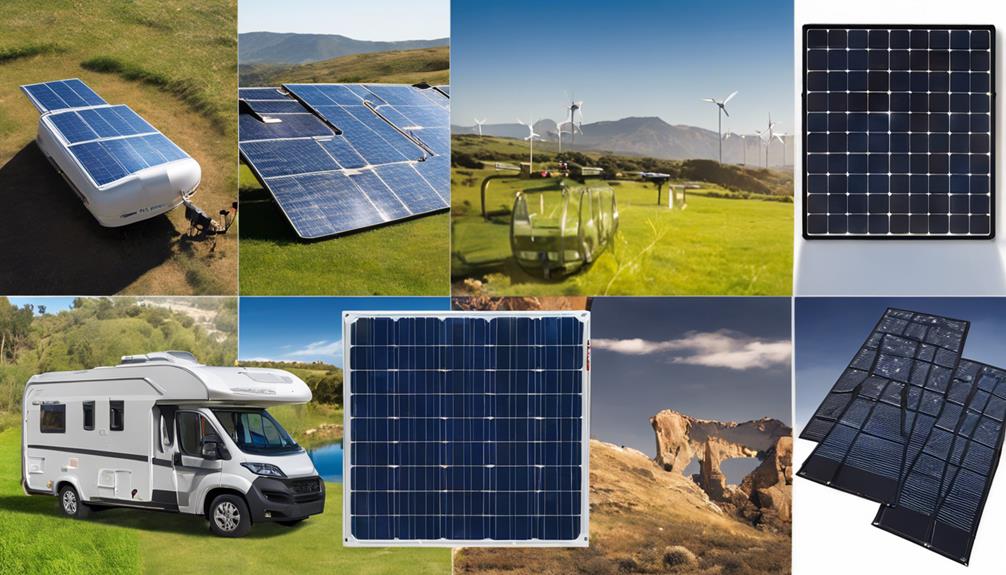
- PV modules (commercially manufactured, listed products only).
- Racking and roof attachments with manufacturer flashing.
- String inverters or microinverters; hybrid/battery inverters for storage.
- Batteries and a charge controller for off-grid or storage systems.
- Disconnects, breakers, fuses, grounding/bonding hardware, conduit, and labeled wiring.
- Monitoring and metering equipment required by the utility.
Match all components to the system design, manufacturer instructions, and local electrical code. Do not attempt to fabricate panels or substitute unlisted parts.
What homeowners can reasonably do themselves
- Research sites, compare installer proposals, and estimate system production with PVWatts.
- Assemble and operate small portable systems per the manufacturer manual.
- Perform ground-level assembly of listed equipment if permitted locally.
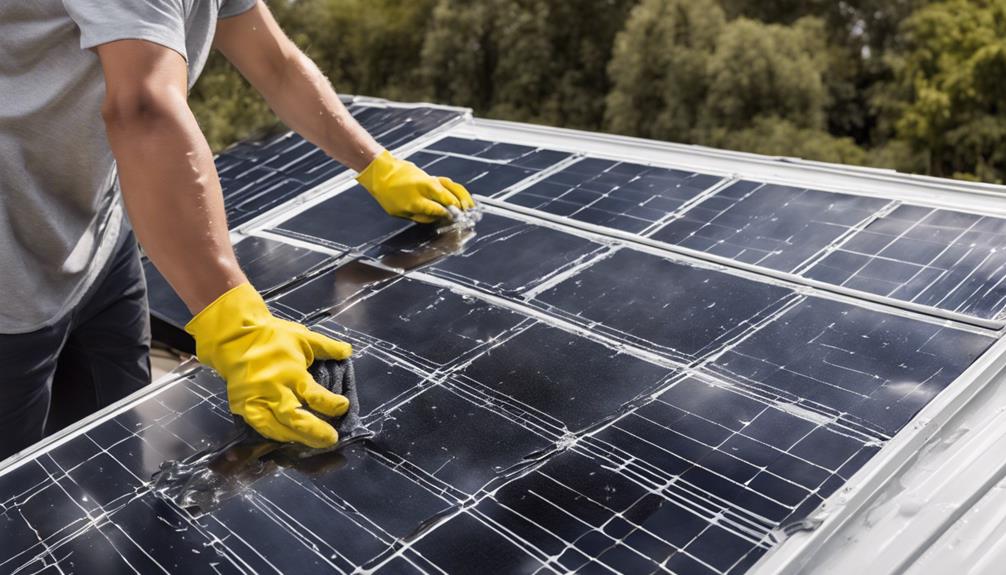
- Monitor performance, perform basic visual inspections, and manage paperwork and warranties.
Work best left to qualified professionals
- Roof structural assessments, roof penetrations, and flashing details.
- Rooftop mounting on steep or high roofs and work requiring fall protection.
- Main service-panel modifications, high-voltage DC runs, grounding and bond work.
- Battery installation, ventilation, fire-safety mitigation, and commissioning.
- Submitting plans, passing inspections, and obtaining utility interconnection and permission to operate (PTO).
Permits, inspection, and utility interconnection
Follow a typical sequence:
- Contact the local building department and electrical permitting authority.
- Contact your serving utility before ordering equipment to learn interconnection rules and metering requirements.
- Confirm permitted equipment and submit required plans.
- Obtain permits, install per approved plans, and schedule inspections.
- After passing inspections, obtain utility approval and permission to operate.
SolarAPP+ may speed permitting in some jurisdictions but does not replace local requirements. Keep records of permits, warranties, and inspection reports.
Safety risks
Major hazards include falls from ladders or roofs, electrical shock and arc flash from energized PV wiring, and battery-related thermal/runaway risks. OSHA requires fall protection for many rooftop jobs. Use listed equipment, follow manufacturer and code requirements, and avoid attempting regulated electrical or structural work without licenses.
Costs, savings, and incentives
Hardware is only part of total cost—labor, permitting, insurance changes, and future maintenance or replacements matter. Savings depend on actual production, household loads, utility compensation, and local rules. Important tax-note: the federal Residential Clean Energy Credit (Section 25D) is not available for expenditures made after December 31, 2025. As of July 24, 2026, verify any state, local, or utility incentives separately.
Bottom line
DIY is realistic for small, self-contained systems and for doing upfront research, comparison-shopping, and monitoring. For rooftop, grid-connected, or battery-backed systems you should plan to involve licensed professionals for structural, wiring, permitting, inspection, and interconnection work. A hybrid approach—homeowner handles research and non-electrical tasks while licensed contractors perform regulated work—often balances cost savings and safety.
Before buying equipment or starting work, contact your local permitting authority, your electrical inspector, the serving utility, your homeowner’s insurance company, and any roofing contractor or manufacturer with relevant warranties.