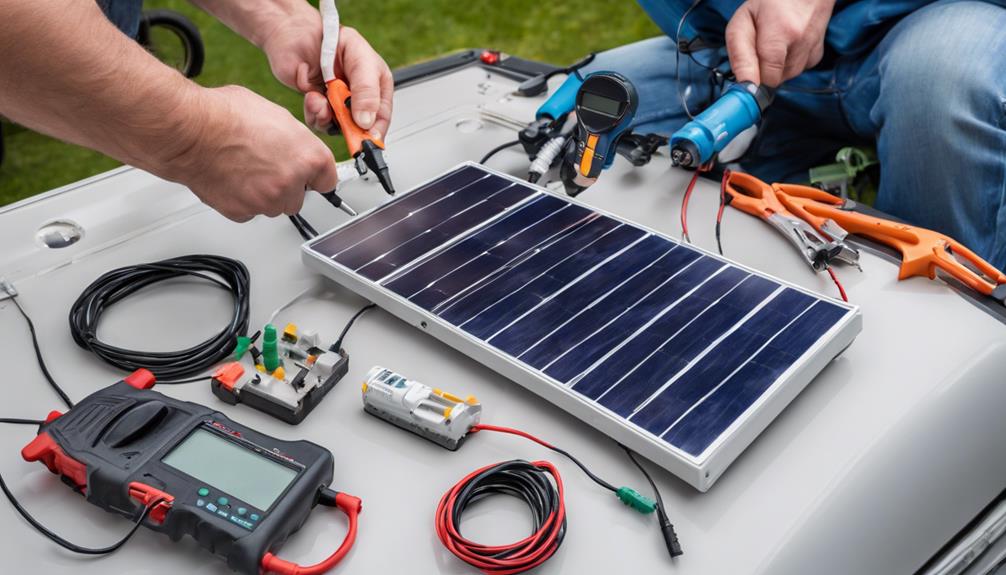
Introduction
This guide explains how to get a residential rooftop solar photovoltaic (PV) system installed safely and legally in the U.S. It walks through site assessment, system design, permits and inspections, installer selection, utility interconnection, operation, maintenance, and optional battery storage. Most homeowners should plan to work with qualified, insured professionals rather than attempting major roof or electrical work themselves.
Is Your Home a Good Candidate?
Start with a solar potential/site assessment. Key factors include:
- Roof age, material, and remaining service life—replace an aging roof before installing panels if practical.
- Structural capacity for the racking/mounting system and PV modules/panels.
- Shading from trees, chimneys, dormers, and neighboring buildings; small amounts of shade can disproportionately reduce output.
- Orientation and slope—south-facing is often good in the Northern Hemisphere, but southeast and southwest can also perform well; orientation is only one factor.
- Available roof area and potential obstructions.
- Main service panel condition and capacity for adding PV system connections.
If rooftop solar isn’t practical, consider ground-mounted systems, community-solar programs, or solar shingles/solar roofing (building-integrated options that differ from conventional panels).
Review Your Electricity Use and Goals
Collect 12 months of utility bills to understand historical use. Decide whether your primary goal is reducing utility bills, offsetting a portion of monthly consumption, or providing outage backup. Account for planned future loads—electric vehicles, heat pumps, or electric water heaters will affect the system size you need.
Key Components and Design Choices
A conventional grid-connected residential PV system includes PV modules/panels, a racking/mounting system, an inverter, wiring and disconnects, and monitoring. Important design choices:
- Inverter type: a string inverter serves a group of panels; microinverters are installed at individual panels; power optimizers provide module-level performance management.
- Grid-tied versus solar-plus-storage: grid-tied systems reduce grid purchases but usually shut down during outages; pairing with a Battery energy storage system (BESS) and appropriate inverter can enable backup.
- System size: base sizing on historical use, expected future loads, roof space, local solar resource, and local export compensation rules—not just roof area.
- System production estimate: require a site-specific estimate in kilowatt-hours (kWh) from each installer.
Choosing an Installer and Comparing Quotes
Obtain multiple written quotes and compare:
- Licensing, insurance, and local credentials; check whether state or local permits require specific contractor licenses.
- Equipment models, inverter type, and expected annual production.
- Warranties: PV module, inverter, workmanship, roof-penetration, and battery warranties if applicable.
- Total cash price versus financed cost, including interest, fees, and loan terms; watch for escalator clauses or balloon payments.
- Who handles permits, inspections, and utility paperwork; transfer or payoff terms if you sell the house.
Beware high-pressure sales tactics and unclear financing terms. The CFPB has highlighted solar-loan markups and confusing loan structures; read contracts carefully.
Permits, Inspections, and Utility Interconnection
Local building and electrical permits are normally required before installation, followed by inspections after work is complete. The installer typically files an interconnection application with your utility; the utility issues Permission to operate (PTO) only after inspections and interconnection agreement conditions are met. Timelines and fees vary by jurisdiction—projects often take from several weeks to a few months depending on local permitting and utility processing.
What to Expect During Installation
The physical work is usually performed by trained crews and includes roof preparation, installing racking and roof attachments, mounting PV modules/panels, installing inverters and electrical equipment, running wiring and conduit, and labeling. If included, a BESS installation is coordinated with the PV system and inverter configuration. The installer should coordinate inspections and commissioning tests; do not attempt electrical or roof work yourself.
Electricity, Batteries, and Outages
Standard grid-tied solar systems typically shut down during a grid outage for safety (anti-islanding). Homeowners wanting backup power need a properly configured inverter and a battery (solar-plus-storage). Batteries have limited capacity—backup duration depends on battery size, the load you choose to support, and charge state. Off-grid systems are a different design category and require careful sizing, additional controls, and alternate backup.
Costs, Savings, and Incentives
Costs vary widely by equipment, labor, permitting, and local market conditions. Export compensation and net metering/net billing policies differ by utility and state; do not assume full retail credit for exported electricity. As of July 27, 2026, the IRS states the federal Residential Clean Energy Credit is not available for property placed in service after December 31, 2025. State, local, and utility incentives may still apply—verify current programs before signing a contract and consult a qualified tax professional for tax advice.
Maintenance and Monitoring
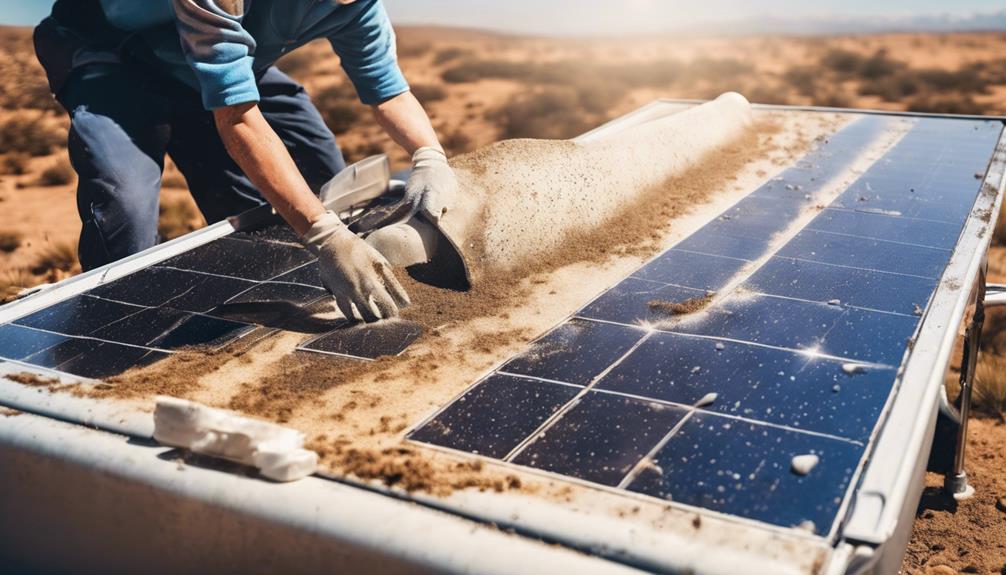
Maintenance is generally limited but important. Monitor system production, respond to inverter alarms, trim vegetation to reduce new shade, inspect after severe weather, and follow installer recommendations for cleaning and periodic checks. Only qualified professionals should address electrical faults or roof leaks.
Solar Installation Checklist
- Complete roof and electrical panel assessment.
- Review 12 months of electricity use and future loads.
- Obtain at least two or three written quotes with production estimates.
- Compare equipment, warranties, and total financed cost vs. cash price.
- Confirm who will handle permits and utility interconnection paperwork.
- Schedule installation, inspection, and track PTO from the utility.
- Set up monitoring and keep warranty and maintenance contact information.
FAQ
Can I install rooftop solar myself?
Not recommended. Rooftop and electrical work has safety, code, permitting, and interconnection implications. Hire qualified, licensed installers for safe and compliant installations.
Will panels work on east- or west-facing roofs?
Yes—east and west roofs can be viable. Production depends on orientation, tilt, shading, and system design. Request a site-specific system production estimate.
Will solar power my home during a power outage?
Only if the system includes a BESS and an inverter configured for backup. Standard grid-tied systems usually shut down during outages.
Is there still a federal tax credit for 2026 installations?
No. Under current IRS guidance (as of July 27, 2026), the Residential Clean Energy Credit is not available for property placed in service after December 31, 2025. Verify current rules with the IRS or a tax professional.
Final Notes
Solar can be an effective option when planned carefully. Prioritize a thorough site assessment, multiple written quotes, clear contract terms, proper permits, and professional installation. Rules for incentives, interconnection, and export compensation change—verify local utility policies and consult a tax professional before making financial decisions.