Introduction
Intact, professionally installed solar photovoltaic (PV) systems generally pose little direct health risk during ordinary household use. The primary concerns are situation-specific: installation and maintenance accidents, electrical hazards, fire or storm damage, battery storage risks, and end-of-life handling. This article explains what to watch for, what is unlikely to be a problem, and practical steps homeowners can take to reduce risk.
Are solar panels toxic during normal use?
PV modules are built from different materials depending on technology. The dominant types are crystalline-silicon PV and several thin-film technologies (for example, cadmium telluride — CdTe — or copper indium gallium diselenide — CIGS). In working systems the active layers and any trace metals (lead, cadmium, silver, copper, etc.) are sealed between glass, polymer encapsulants, and a backsheet. Because of that encapsulation, properly installed and undamaged panels generally do not leach hazardous materials during normal operation.
That said, discarded, broken, dismantled, or fire-damaged modules can present a greater contamination or exposure risk and are handled differently under waste and recycling rules.
Do solar panels emit harmful radiation or EMF?
Solar PV panels convert sunlight into electricity; they are not radioactive and do not emit ionizing radiation. Concerns about electromagnetic fields (EMF) relate to electrical wiring, inverters, and other powered equipment, not the panels themselves. Current public-health guidance on low-level non-ionizing EMF does not link typical home exposures to established adverse health effects, though research continues into some open questions.
Main health and safety hazards
The most meaningful risks are linked to particular situations rather than everyday exposure. Key hazards include:
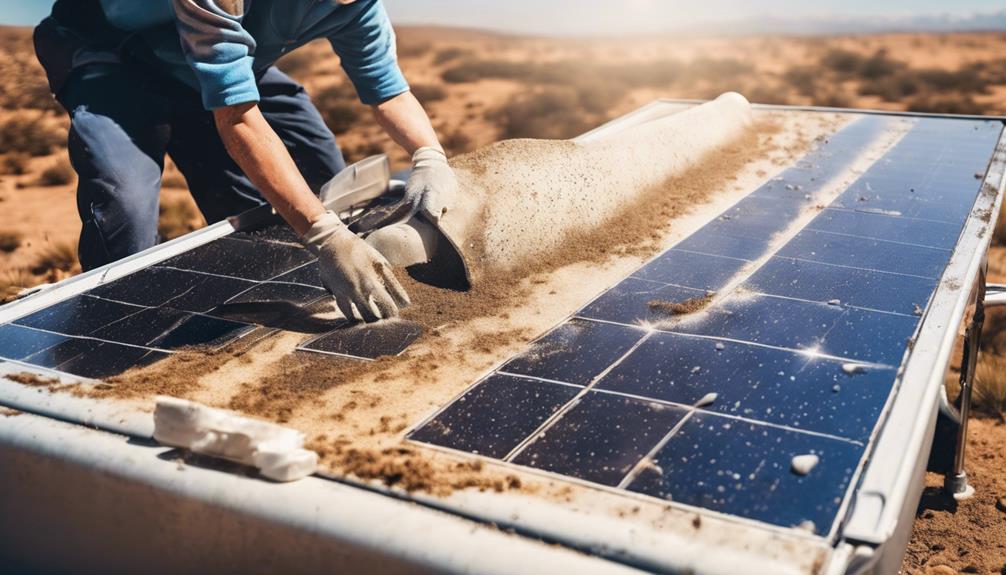
- Installation and maintenance: Falls from roofs or ladders, falls through skylights or weak roof areas, electrical shock from energized DC or AC circuits, arc-flash burns, tool or handling injuries, and heat or cold stress. These are common occupational hazards; employers and contractors follow safety standards for fall protection and electrical safety.
- Fire: Rooftop PV fires are uncommon, but poor design, faulty components, bad wiring, or improper installation can create arcs or hot spots that ignite nearby materials. In a building fire, PV modules exposed to sunlight may remain electrically energized, complicating firefighting and creating shock risks.
- Storm or impact damage: Hail, wind, falling branches, flooding, or corrosion can create exposed conductors, broken glass, or loose connections that increase electrical and physical hazards.
- Battery energy storage systems (BESS): Batteries add separate risks including thermal runaway, fire, toxic smoke, and electrical hazards. These risks come from the storage chemistry and installation, not from the PV modules themselves.
- End-of-life handling: Broken or dismantled panels can contain hazardous metals and may meet hazardous-waste thresholds. Improper disposal can pose risks to waste workers and the environment.
Are solar-panel fires particularly dangerous?
PV-related fires can take several forms. A defect, bad wiring, or improper connections can create localized overheating or arcing. Firefighters also face complications because modules can remain energized while exposed to daylight, and damaged glass or equipment can create slip and cut hazards. Potential chemical exposures from burning modules are scenario-specific — for example, thin-film modules containing cadmium may present different considerations in a severe fire — but routine use of intact panels is not associated with such exposures.
What about lead, cadmium, and other metals?
Some module types and assembly practices use lead in solder or cadmium in thin films. In service, these materials are encapsulated and not normally a route for household exposure. The risk profile changes if panels are broken, burned, or improperly disposed of. For this reason, end-of-life management and recycling are important for reducing environmental and occupational risks.
How to reduce risk (practical precautions)
- Hire qualified, licensed installers and verify permitting and inspection requirements are met for your jurisdiction.
- Do not open, disassemble, or attempt electrical repairs on PV modules, inverters, or battery systems unless you are a qualified professional.
- Keep system labels, shutoff locations, and disconnects accessible and documented for emergency responders.
- After severe weather, fire, or flooding, keep people and pets away from damaged panels or exposed wiring and arrange a professional inspection and repair.
- For systems with batteries, follow manufacturer guidance for ventilation, cooling, monitoring, and emergency procedures; treat battery risks separately from PV module risks.
- Check local rules for disposal and recycling of decommissioned panels — many areas require special handling rather than household trash.
Bottom line
During normal operation, intact rooftop PV systems are generally low risk to occupants. The important safety issues are situational: installation and maintenance hazards, the potential for electrical faults or fires, storm or impact damage, risks associated with battery storage, and proper end-of-life handling. Using licensed professionals, following permitting and inspection rules, and arranging qualified cleanup or repairs after damage will minimize most health and safety concerns.
For authoritative guidance on materials, fire safety, occupational risks, and waste management, consult resources from the U.S. EPA, Department of Energy, OSHA, and technical assessments from research institutes when making decisions about installation, emergency response, or disposal.