Introduction
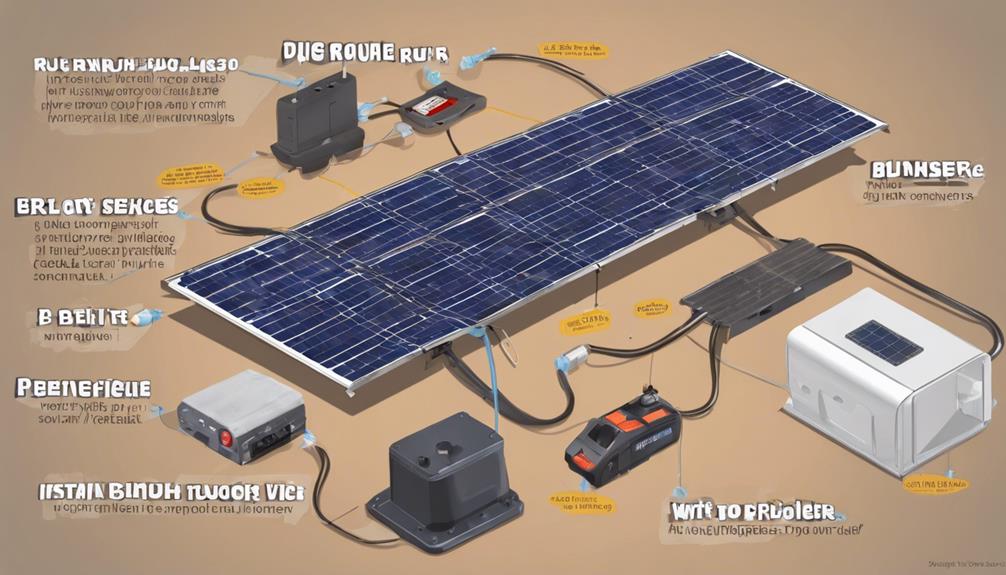
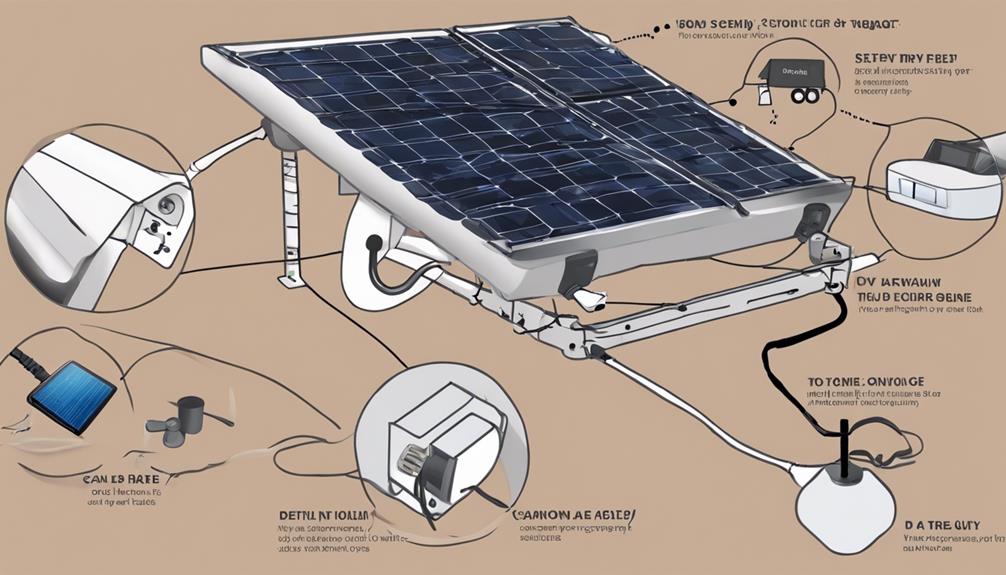
When people talk about “types of solar panels” they may mean the semiconductor material, the cell architecture, or the way a finished module is built. For homeowners and general buyers, the shorthand usually focuses on three consumer-visible families: monocrystalline silicon, polycrystalline silicon, and thin‑film. Behind those labels are many overlapping design choices—advanced cell architectures (TOPCon, heterojunction, IBC), module constructions (bifacial, glass‑glass, half‑cut), and emerging materials (perovskites and tandem cells). This article explains the common options and how to choose for different residential and nonresidential applications.
The main types at a glance
| Panel type | What it is made of | Typical strengths | Typical limitations | Common applications |
|---|---|---|---|---|
| Monocrystalline silicon | Wafers cut from single silicon crystals | High efficiency, good power per roof area, common for homes | Often pricier per panel than older polycrystalline options; appearance varies (black cells) | Residential rooftops, constrained roofs, commercial rooftops |
| Polycrystalline silicon | Wafers cast from multiple silicon crystals | Historically lower cost manufacturing | Lower efficiency than typical monocrystalline modules; less common for new residential installs | Existing legacy residential systems, some utility or commercial arrays |
| Thin‑film PV | Very thin semiconductor layers on glass, metal, or plastic (CdTe, CIGS, a‑Si) | Lightweight, can be flexible, good for certain mounting or aesthetic needs | Generally lower module efficiency than crystalline silicon; performance varies by technology | Large utility arrays (CdTe), building‑integrated PV, portable or weight‑sensitive uses |
Monocrystalline panels
Monocrystalline modules are made from wafers sliced from a single silicon crystal. They tend to offer higher module efficiencies and more power per square foot than the other two broad consumer categories, which makes them the prevailing choice for new residential systems where roof area is limited. Modern monocrystalline modules often use advanced cell architectures—TOPCon, heterojunction (HJT/SHJ), or interdigitated back contact (IBC)—which improve efficiency and reduce losses compared with older designs. Buyers should compare power rating, temperature coefficient, degradation assumptions, and warranty terms in addition to nameplate efficiency.
Polycrystalline panels
Polycrystalline cells are manufactured from cast silicon that contains many crystalline grains. Historically they offered a cost advantage at the expense of efficiency, which is why they were common on older roofs. Falling costs and rising monocrystalline production have made polycrystalline less common for new residential installations, but existing polycrystalline arrays continue to operate reliably when well maintained.
Thin‑film panels
Thin‑film PV covers several technologies that deposit active layers onto a substrate. Notable families include cadmium telluride (CdTe), copper indium gallium diselenide (CIGS), and amorphous silicon (a‑Si). Each has different performance, manufacturing, and environmental characteristics:
Cadmium telluride (CdTe)
CdTe is widely used in large utility-scale installations. It is manufactured at scale and competes on land‑based projects where module efficiency per square foot is less constrained by mounting area.
CIGS and amorphous silicon
CIGS and a‑Si modules can be thin and, in some cases, flexible. They are useful where weight, form factor, or integration into building materials matters. “Thin‑film” does not always mean flexible—many thin‑film products are rigid glass modules.
Newer cell technologies and what they mean
Terms like TOPCon, heterojunction (HJT/SHJ), IBC, and PERC refer to cell architectures—ways of arranging contacts and passivation layers to reduce electrical losses and increase module performance. PERC was an earlier widely adopted step; TOPCon and HJT are more recent upgrades, and IBC moves contacts to the back for a cleaner front surface. Perovskite materials and perovskite‑silicon tandem cells are promising in the lab and are approaching commercialization, but long‑term outdoor durability and scaled production remain active areas of development (research records often exceed typical commercial module performance).
Other classification choices
- Monofacial vs. bifacial: bifacial modules can generate from rear‑side light (benefit depends on ground reflectivity and mounting).
- Half‑cut, shingled, and glass‑glass: module construction changes shading behavior, durability, and aesthetics.
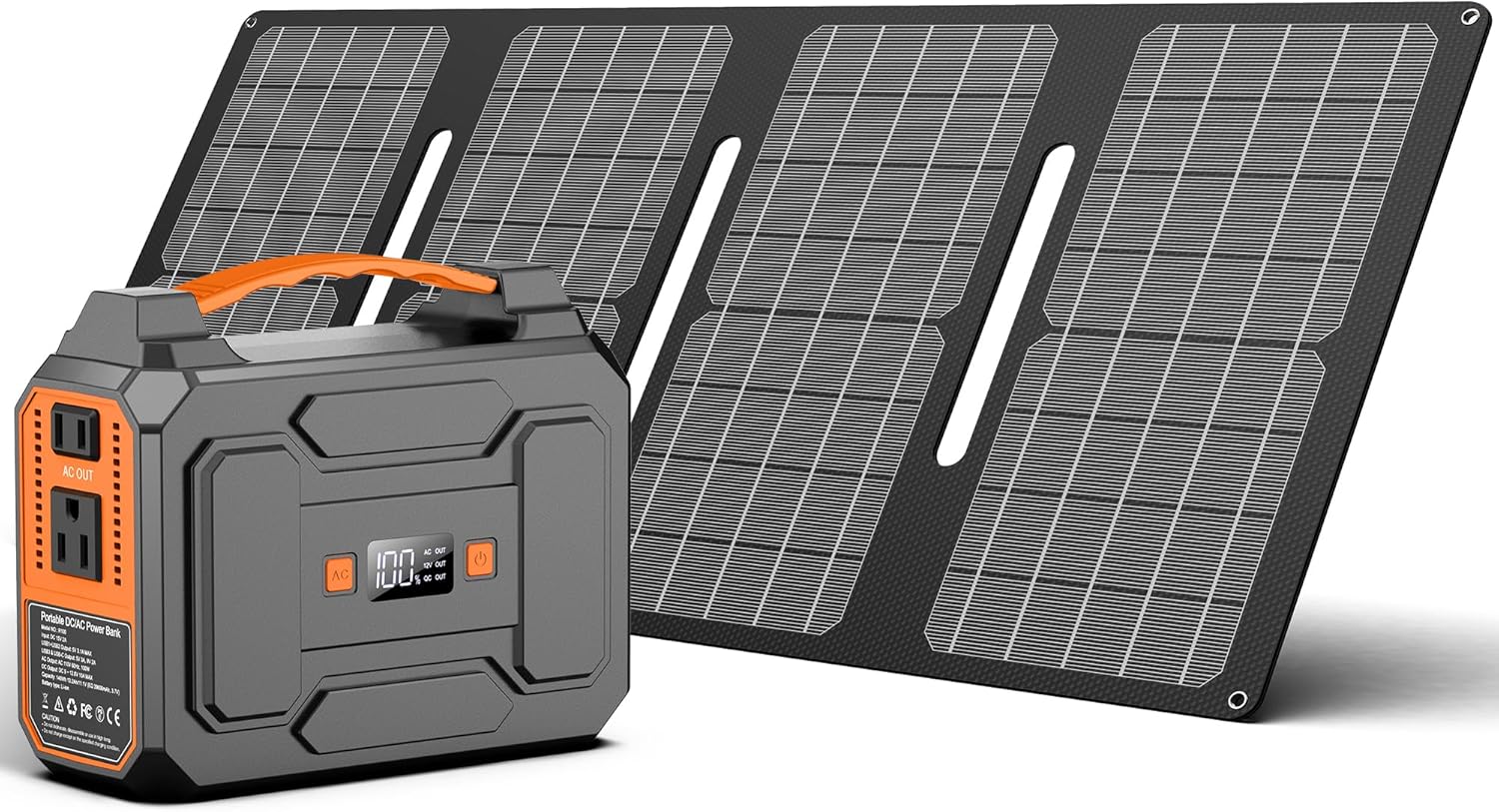
- Flexible vs. rigid: flexible modules serve curved or weight‑sensitive applications; rigid glass framed modules are standard for rooftops.
- Application classes: rooftop residential, portable/vehicle‑mounted, ground‑mounted, and utility‑scale—each has different optimal technologies.
How panels perform in real conditions
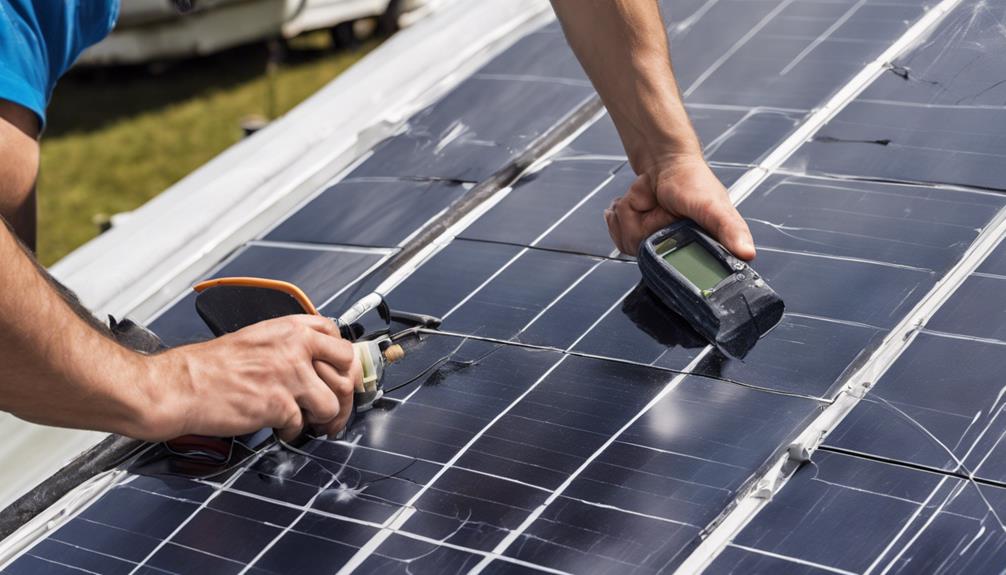
Real energy yield depends on more than efficiency: orientation, tilt, shading, temperature (modules lose output as they heat), soiling, system design, inverter selection, and local climate all matter. Panels still produce electricity in cloudy conditions—output falls with reduced irradiance but does not usually drop to zero.
Which type is best for my home?
There is no single “best” panel for every situation. General guidance:
- Most standard home rooftops: monocrystalline silicon modules are the default starting point.
- Limited roof area: choose higher‑efficiency crystalline modules (often monocrystalline with advanced cell architecture).
- Portable or curved surfaces: consider selected thin‑film or flexible modules.
- Large‑scale projects: the right choice depends on land, mounting, climate, and project economics; CdTe is common in some utility projects.
- Existing polycrystalline systems: replacement is not automatically needed solely because panels are polycrystalline.
Questions to ask before you buy
- What are the module’s rated power and efficiency, and do those figures apply to the complete module or just a lab cell?
- What is the product and performance warranty, and what degradation rate is specified?
- How does the module perform at higher temperatures (temperature coefficient)?
- Is the proposed module bifacial, and will the site design justify rear‑side gains?
- Which inverter, racking, and monitoring equipment will be paired with the modules?
- What assumptions underlie the production estimate presented in the proposal?
Conclusion
Monocrystalline silicon is currently the common residential baseline, but the label “type” can mean many different things: material, cell architecture, and module construction all matter. Compare complete system proposals (modules, inverters, racking, warranties, and installer quality) rather than relying on a single panel label. For emerging materials like perovskites, watch for commercialization evidence on durability and manufacturing scale before treating lab records as expected real‑world performance.