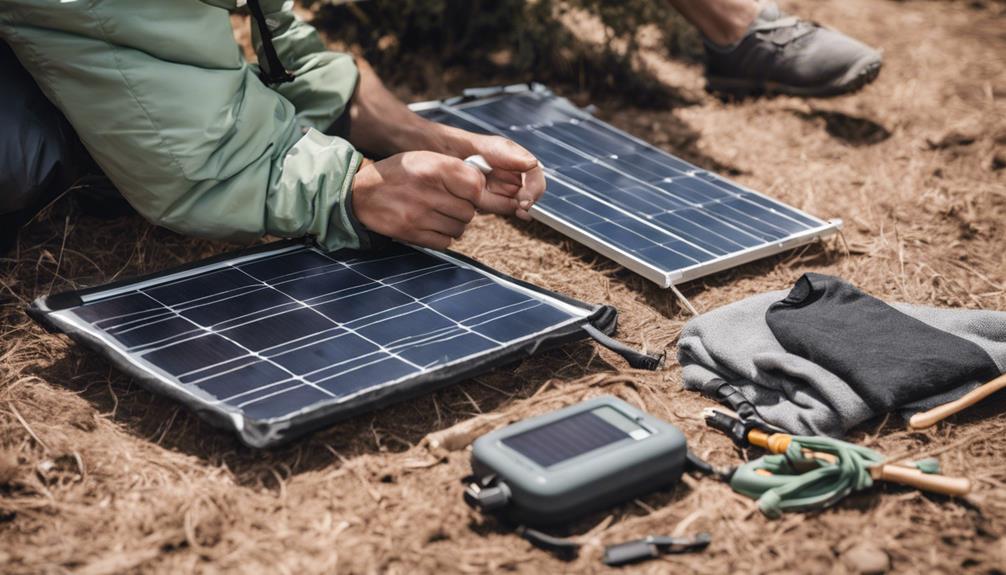
Overview
Monocrystalline solar panels are a mainstream photovoltaic (PV) technology used for generating electricity from sunlight. Also called mono-Si, these modules use cells cut from single-crystal silicon ingots. They are popular in residential and commercial systems because of relatively high efficiency and a mature manufacturing and installation supply chain. This article explains how they work, how they compare with other PV types, what affects real-world output, and what to check before buying.
What is a monocrystalline solar panel?
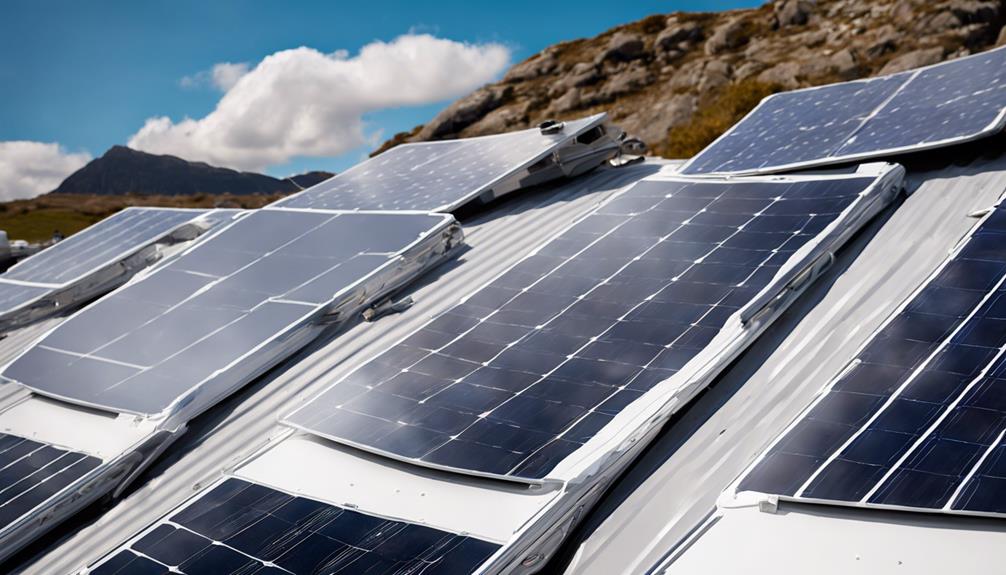
A monocrystalline panel (PV module) is made from solar cells created from wafers cut from a single-crystal silicon ingot. The single-crystal structure lets charge carriers move more efficiently through the semiconductor, which helps cell performance. “Solar cell” refers to the individual semiconductor device; “module” or “panel” refers to the finished, framed unit. A complete PV system includes modules plus inverters, wiring, racking, protection devices, monitoring, and optionally batteries.
How monocrystalline panels generate electricity
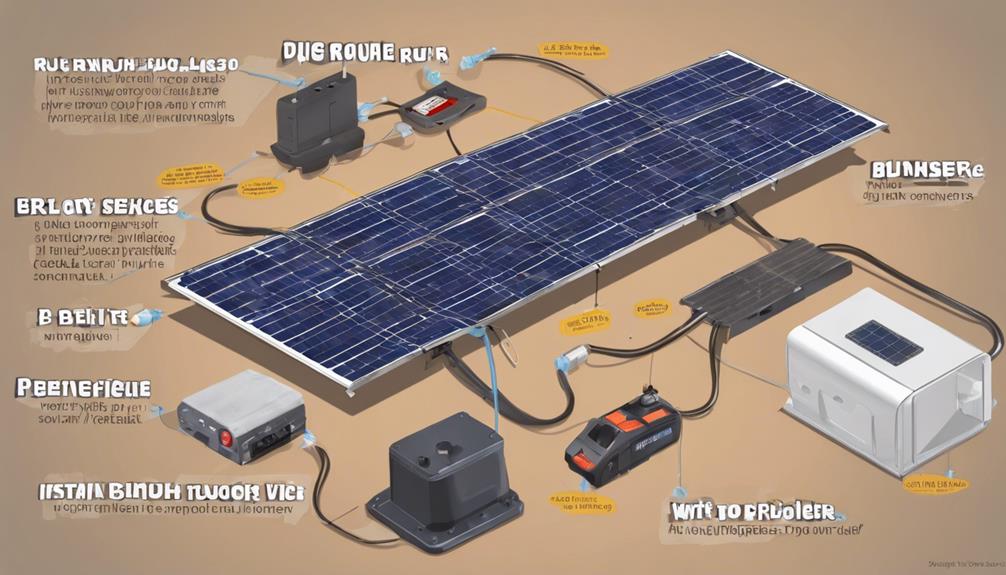
Sunlight striking a silicon solar cell excites electrons, creating a flow of direct-current (DC) electricity. Cells are combined into a module and wired to an inverter that converts DC to alternating current (AC) used by most buildings. A grid-tied system can send excess production to the utility or, when configured with batteries and the right controls, store energy for later or to support backup loads.
Monocrystalline vs. polycrystalline vs. thin‑film
Category labels describe general material or manufacturing differences; product-level specs matter most. Typical contrasts:
- Monocrystalline (mono‑Si): Single-crystal silicon wafers. Generally higher module efficiency and power density, darker appearance, suited to limited roof area.
- Polycrystalline (multi‑Si): Wafers from cast silicon with multiple crystals. Typically slightly lower efficiency and lighter blue appearance; often lower module cost per watt but needs more space for the same power.
- Thin‑film: Non‑silicon or amorphous silicon layers deposited on substrates. Lower module efficiency and power density, flexible or lower-cost options in some applications; requires more area and has different durability and performance profiles.
DOE notes that modern crystalline-silicon modules (which include mono and poly) are the dominant commercial choice; many current residential panels are monocrystalline because higher efficiency helps produce more power from limited roof area.
Advantages of monocrystalline panels
- Higher power density — more watts per square foot than many alternatives.
- Good option where roof space is limited.
- Mature manufacturing and broad installer support.
- Long expected service life — crystalline-silicon modules are commonly expected to operate for 25 years or more, with many retaining a large portion of original power after that period.
- Available in higher-performance cell types (n‑type, TOPCon, HJT, IBC) and in bifacial designs for some applications.
Limitations and trade-offs
- Higher module efficiency does not automatically mean the lowest total project cost or fastest payback; installation, inverters, racking, permitting, and site work matter.
- Performance falls with shading, soiling, snow, and high temperatures — check the temperature coefficient for hot climates.
- Recycling infrastructure is developing; modules contain glass, aluminum, silicon, polymers, and metals that require proper end-of-life handling.
- Actual energy yield depends on system design and local conditions — labeled wattage (STC rating) is a standardized test value, not guaranteed real-world output.
What affects energy production?
- Roof orientation and tilt relative to the sun.
- Shading from trees, chimneys, or nearby buildings.
- Local climate and temperature — modules typically lose power as temperature rises; review temperature coefficients.
- Soiling, snow cover, and maintenance frequency.
- Inverter efficiency, system losses (wiring, mismatch), and whether modules are monofacial or bifacial (rear-side gain depends on reflectivity and mounting).
Do panels work during a power outage?
Most standard grid-tied PV systems automatically shut down during utility outages to protect line workers and the grid. To keep a home powered during an outage requires specific equipment: an outage-capable inverter (or transfer switch), properly sized battery storage (solar-plus-storage), and system design that supports islanded operation or backup circuits. Panels alone do not provide backup power.
Lifespan, degradation, and warranties
Crystalline modules often come with product and performance warranties. Typical performance guarantees promise a certain percentage of rated power after 10 or 25 years. The DOE reports that crystalline-silicon modules commonly last 25 years or more with significant remaining capacity, though warranty terms and actual degradation rates vary by product.
Buyer checklist: what to compare
- Module efficiency and rated power (watts DC) — remember STC ratings are standardized test values.
- Temperature coefficient and degradation specs (first-year and annual).
- Product, workmanship, and performance warranties and their durations.
- Mechanical ratings (wind, snow, hail), UL 61730 and IEC/UL 61215 test/certification status for the U.S. market.
- Cell technology (n‑type, TOPCon, HJT, IBC) and whether module is monofacial or bifacial.
- Installer credentials, system design, roof condition, and a shading analysis with expected annual energy yield.
- Local incentive, interconnection, and export-compensation rules — these vary by utility and state.
Are monocrystalline panels worth it?
Monocrystalline modules are often a strong choice when roof space is limited and higher module efficiency is valuable. They are a mature technology with many high-performing cell designs available. However, the best decision depends on the full installed system cost, site-specific solar resource, local incentives, and installer quality rather than the panel label alone.
Conclusion and brief disclaimer
Monocrystalline PV is a dominant, high-efficiency crystalline-silicon technology suitable for many residential and commercial projects. Real-world performance and economics depend on system design, local conditions, warranties, and utility rules. For a site-specific assessment, work with qualified, code-compliant installers and ask for a modeled energy yield, detailed equipment specifications, and warranty documentation. Energy output, financial returns, incentives, and utility compensation vary by location and project details.