The manufacturing process for solar panels transforms raw materials into reliable modules that power homes and businesses. For homeowners considering residential solar panels, understanding how solar panels are manufactured can clarify differences in efficiency, cost, and durability. This article walks through each major production stage, highlights practical use cases for residential systems, and explains how manufacturing choices affect performance and long-term value.
Manufacturing process for solar panels: an overview
At a high level, the manufacturing process for solar panels follows a consistent flow: raw material preparation, cell fabrication, module assembly, and final testing. Each step involves precise engineering to convert silicon and other components into a sealed, weather-resistant module. Advances in automated production lines and materials science continue to reduce costs and improve panel longevity, which directly benefits residential installations by lowering payback periods and increasing energy yield over decades.
From raw materials to wafers: silicon purification and casting
The core material for most solar cells is crystalline silicon. The process begins with quartz or silica being refined into metallurgical grade silicon, which is then purified through chemical processes such as the Siemens method to produce electronic grade silicon. This high-purity silicon is melted and cast into ingots. For monocrystalline panels, ingots are grown using the Czochralski method to produce a single-crystal structure, while multicrystalline ingots are cast and cooled to form many crystal grains. Once solidified, ingots are sliced into thin wafers that become the substrate for solar cells. The thickness and surface quality of these wafers influence conversion efficiency and material waste, both important factors for residential buyers seeking balance between cost and performance.
How solar cells are manufactured: doping, texturing, and coating
How solar panels are manufactured at the cell level determines their electrical characteristics. Wafers undergo surface texturing to reduce reflection and increase light absorption. A controlled diffusion process introduces dopants such as phosphorus and boron to create p-type and n-type regions, forming the p-n junction that generates electricity when illuminated. Anti-reflective coatings are applied to maximize photon capture, and metallization prints fine gridlines that collect and transport current. Advances like passivated emitter rear contact and heterojunction technologies improve efficiency but can add manufacturing complexity and cost. For residential projects, higher-efficiency cells mean fewer panels are needed to meet energy goals, which can be crucial when roof space is limited.
Quality control during cell fabrication
Throughout cell fabrication, inline inspection systems check for microcracks, thickness variations, and coating uniformity. Automated handling reduces breakage and contamination. These quality controls are essential because a small defect at the cell stage can reduce module output or accelerate degradation, affecting a homeowner’s system reliability.
Module assembly and finishing for residential panels
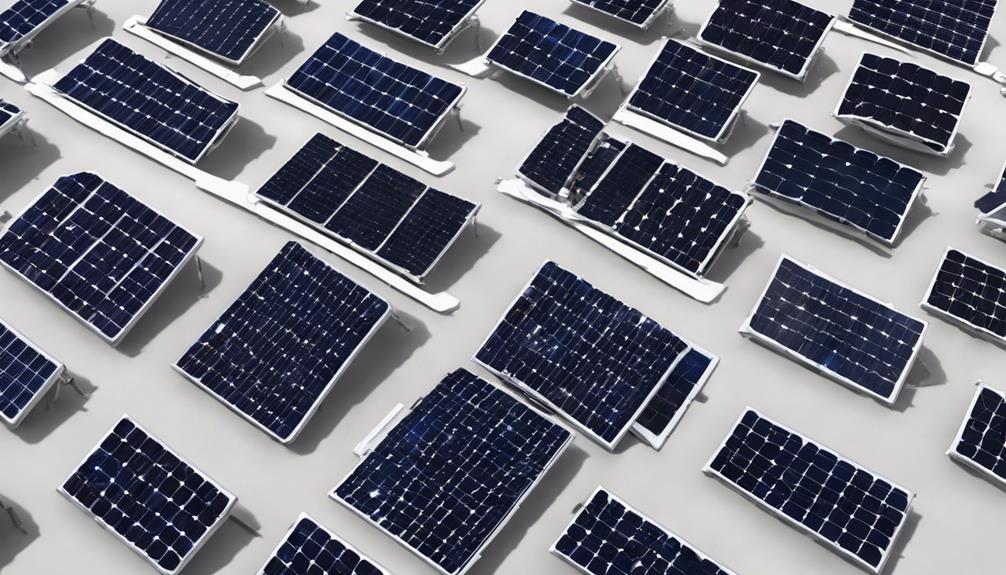
After cells are produced, they are assembled into modules. Cells are electrically connected, typically in strings, and laminated between a transparent front sheet and a protective backsheet using encapsulants such as ethylene-vinyl acetate. The lamination step uses heat and vacuum to remove air pockets and bond layers into a durable sandwich. A tempered glass front protects cells from impact, while aluminum framing provides structural rigidity and mounting points for residential racking systems. Junction boxes and bypass diodes are attached to manage current flow and minimize power loss from shading. Manufacturers may offer specialized residential finishes, like all-black aesthetics or enhanced low-light performance, to suit homeowner preferences and neighborhood regulations.
Testing, quality control, and certification
Finished modules undergo electrical testing to verify power output, insulation testing to ensure safety, and environmental stress tests such as thermal cycling, humidity freeze, and salt spray resistance. Certifications from organizations like IEC or UL attest that panels meet performance and safety standards, which is particularly important for residential installations that must pass local permitting and interconnection requirements. Long-term reliability testing and warranty terms—often 10 to 25 years for product and 25 to 30 years for performance—reflect the confidence manufacturers have in their processes. Homeowners should review these specifications when comparing brands because thorough testing translates into fewer unexpected failures and steadier energy production over time.
Implications for residential solar panels: performance, cost, and sustainability
The specifics of the manufacturing process for solar panels influence residential outcomes in several tangible ways. Higher-efficiency cells produced with advanced methods reduce the number of panels needed on a typical roof, which can lower installation labor and hardware costs. Manufacturing choices also affect degradation rates; modules produced with better encapsulation and rigorous quality control tend to maintain their rated output longer, improving lifetime savings. Environmental considerations are increasingly part of the decision-making process: manufacturers that recycle silicon kerf, reduce hazardous chemicals, and source clean energy for production can lower the embodied carbon footprint of a residential system. Finally, regional manufacturing and robust supply chains contribute to faster lead times and potentially lower prices for homeowners.
Understanding how solar panels manufactured and what steps are involved in their production helps homeowners make informed choices when selecting residential solar solutions. The manufacturing process for solar panels shapes efficiency, durability, aesthetics, and environmental impact—all important factors when investing in a rooftop system. By prioritizing certified, well-tested modules and considering the trade-offs between cost and long-term performance, homeowners can choose panels that deliver reliable energy and strong returns over the life of their system.