Introduction
Crystalline‑silicon (c‑Si) photovoltaic, or PV, technology is the most common way homes convert sunlight into electricity. In this article “PV module” is the technical term for what many people call a “solar panel.” This guide explains how crystalline‑silicon PV works, the main module types, what affects real‑world output, installation considerations, expected lifetime, and end‑of‑life options to help you decide whether c‑Si panels are right for your property.
What is a crystalline‑silicon PV module?
A crystalline‑silicon PV module is an assembly of individual silicon PV cells wired together, encapsulated behind glass and protective polymers, and usually mounted in an aluminum frame. Cells are made from thin wafers cut from purified silicon ingots. A complete PV system includes the modules plus racking, wiring, an inverter (to convert DC to AC), monitoring equipment, and optionally battery storage.
How crystalline‑silicon PV produces electricity
PV cells are semiconductor devices. When sunlight strikes the silicon lattice, photons transfer energy to electrons and create an electric current. Metal contacts collect that current and route it through the module’s wiring. The module produces direct current (DC); an inverter converts DC into alternating current (AC) for household use or export to the grid.
Monocrystalline vs. polycrystalline modules
Two familiar cell types may appear similar on your roof but differ in crystal structure and performance:
- Monocrystalline: Cells cut from a single‑crystal silicon ingot. They are typically darker and more uniform in appearance and tend to offer higher efficiency and better space utilization on constrained roofs.
- Polycrystalline (also called multicrystalline): Cells formed from silicon with multiple crystal grains. They often have a speckled blue appearance and historically had lower efficiency. Polycrystalline was important in earlier markets but is less central to recent commercial development.
Appearance alone doesn’t guarantee quality; cell architecture, module construction, and manufacturer’s quality control all matter.
Newer cell architectures
Crystalline silicon is a mature platform, but cell designs continue to evolve to increase efficiency and reliability. Common terms you may see:
- PERC — a widely used p‑type architecture that improved performance over older designs.
- TOPCon — an n‑type architecture (tunnel‑oxide passivated contact) gaining commercial traction for higher performance.
- SHJ / HJT — silicon heterojunction cells that combine crystalline silicon with thin amorphous silicon layers for good efficiency and temperature behavior.
- IBC — interdigitated back contact cells with rear contacts to reduce front‑side shading losses.
- Bifacial modules — modules designed to generate power from both front and rear light when installed over reflective surfaces.
Some of these are mainstream; others are emerging or more common in utility‑scale and research settings. Laboratory records can exceed commercial module performance; look for certified module ratings for practical comparisons.
Rated power, efficiency, and real‑world energy yield
Module nameplate power (watts) and module efficiency (percentage of sunlight converted to electricity under standard test conditions) are useful specifications. However, real energy yield at your site depends on many factors: local irradiance, weather (direct and diffuse light), module temperature, shading, soiling (dirt, snow), tilt and orientation, inverter losses, and age‑related degradation. Higher efficiency is helpful when roof area is limited, but site‑specific energy modeling gives the best estimate of annual production.
Do panels work in cloudy or rainy climates?
Yes. PV modules produce electricity from both direct and diffuse sunlight, so they still generate power on cloudy days—though output is reduced when clouds significantly cut irradiance. Whether solar makes sense in your location should be determined using local solar and weather data and a performance estimate for your roof or site.
Installation considerations
Good installations begin with a professional site assessment that checks roof age and condition, structural capacity, shading, orientation and tilt, and local permitting and interconnection rules. Important system choices include:
- Mounting: rooftop versus ground mount or carport.
- Power electronics: string inverter, microinverters, or power optimizers—each affects shading performance and cost.
- Electrical upgrades, monitoring, and optional battery storage.
- Fire and wind code compliance, permits, and utility interconnection requirements.
Because of roof work, DC voltages, and code requirements, hire a qualified professional for design and installation rather than attempting a DIY electrical installation.
Lifespan, maintenance, and end‑of‑life
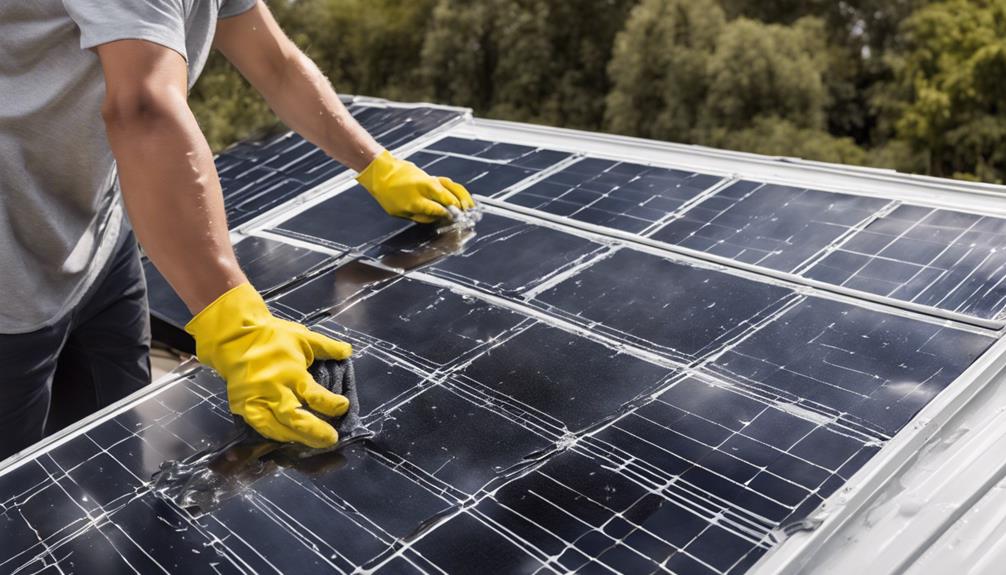
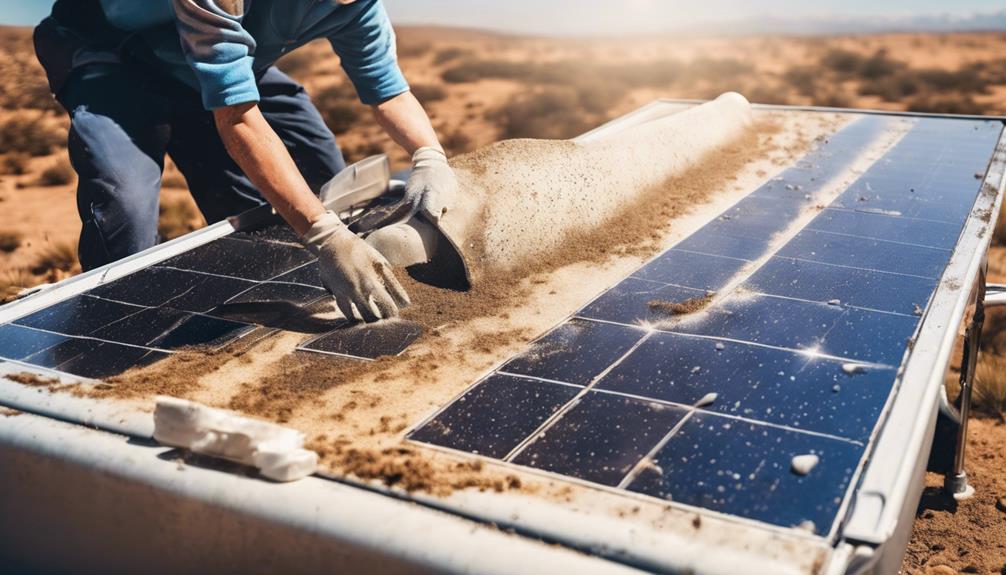
Modern crystalline‑silicon modules are designed for multi‑decade service. Many systems reliably operate for 25 years or longer, with gradual output decline over time. Warranties and degradation rates vary by product. Routine inspection, cleaning when heavily soiled, and monitoring can help maintain production.
At end of life, modules can often be repaired, repowered (replace inverters or many modules), reused, or recycled. Recycling services exist, though economics and availability vary by region. Responsible end‑of‑life planning is part of a sustainable PV decision.
Is crystalline‑silicon right for your site?
Crystalline silicon is a proven, widely used choice for residential and small‑property PV. To decide whether it’s right for you, consider:
- Unshaded area and roof condition
- Local solar resource and weather patterns
- Electricity use and goals (bill reduction, resilience, emissions)
- Budget, available financing, and permitting or utility rules
- Whether ground mounting or community solar might be better
Get a site assessment and production estimate from a reputable installer to compare system options and expected energy yield rather than relying on blanket statements about panel types.
Conclusion
Crystalline‑silicon PV modules are a mature, adaptable technology for converting sunlight into electricity. Understanding the difference between rated module specs and the energy you’ll actually get, and having a qualified professional design and install the system, will give you the clearest picture of whether c‑Si solar is a good fit for your home or property.