Commercial solar panels—installed as part of a commercial solar PV system—convert sunlight into electricity that can serve a business’s loads, reduce grid purchases, and support sustainability and resilience objectives. This article explains how commercial solar works, who may benefit, common system types, financing choices, key incentives and timing rules, and a practical due-diligence checklist to help facility managers and building owners decide whether to pursue a feasibility study.
What are commercial solar panels and systems?
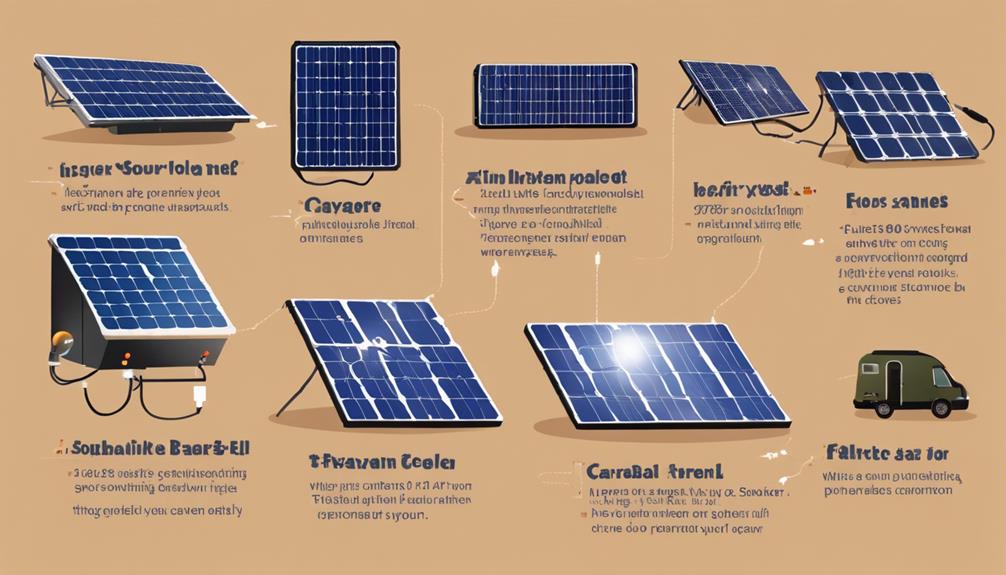
Commercial solar refers to photovoltaic (PV) systems used by businesses, nonprofits, institutions, multifamily properties, and other nonresidential customers. A system typically includes PV modules, inverters (to convert DC to AC), racking or mounting, monitoring equipment, and wiring to either serve the building or export to the grid. System capacity is expressed in kilowatts (kW) or megawatts (MW); energy production is measured in kilowatt-hours (kWh) or megawatt-hours (MWh). Capacity (kW) describes potential instantaneous power, while production (kWh) describes energy generated over time.
How commercial solar works
- Daytime generation: Panels produce electricity when sunlight is available. Solar output generally follows solar irradiance and local weather.
- Behind-the-meter operation: A behind-the-meter system supplies electricity to onsite loads before the meter—reducing purchases from the utility when production overlaps demand.
- Grid exports and compensation: Excess generation can be exported to the grid, but compensation is state- and utility-specific (net metering, net billing, or other export compensation rules).
- Nighttime use and storage: PV does not generate at night; batteries store energy for later use but add cost, maintenance, and safety considerations. Solar-plus-storage can shift daytime generation to higher-value periods and may help manage demand charges for some customers.
Potential benefits for businesses
Commercial solar PV systems can offer multiple site-dependent benefits, including:
- Lower purchased electricity consumption by replacing grid-supplied kWh.
- Greater exposure to predictable energy costs when part of a long-term financing or PPA arrangement.
- Potential reduction in demand charges when paired with appropriate controls or storage, depending on the utility tariff.
- Progress toward sustainability and emissions-reduction goals—though lifecycle emissions and grid mix should be considered.
- Resilience benefits when solar is paired with storage and appropriate backup controls.
- Productive use of underutilized rooftops, parking areas (canopies), or onsite land.
None of these outcomes is guaranteed; value depends on site production, load profile, tariff structure, financing, and local rules.
Common commercial system types
- Rooftop arrays—typical for warehouses and large flat roofs.
- Ground-mounted systems—where land is available.
- Parking-canopy systems—provide shade and generate power.
- Solar-plus-storage—PV paired with batteries to shift energy and address short peaks.
- Community solar—offsite projects that multiple customers subscribe to; useful when onsite installation is impractical.
How much solar does a commercial property need?
Size depends on many variables: annual and interval electricity consumption, peak demand, roof or land area and structural capacity, solar resource and shading, system losses, inverter limits, interconnection rules, and the owner’s budget and financial goals. System sizing should be based on site-specific production modeling and at least 12–24 months of utility data—not on generic panel-count rules.
Financing and ownership options
- Direct ownership: The customer purchases the system (cash or loan) and typically receives tax benefits and incentive claims when eligible.
- Loan financing: Preserves cash but adds interest and lender requirements.
- Lease: The installer or financier owns the equipment; the customer pays a fixed schedule to use it.
- Power purchase agreement (PPA): A third party owns and operates the system and sells electricity to the customer at a contracted rate.
- Community solar: Subscription or contract rights to offsite project output or bill credits; avoids onsite construction but depends on project availability and crediting rules.
Which option is best depends on tax appetite, balance-sheet preferences, risk tolerance, and specific project economics. Ownership materially affects who can claim tax credits.
Costs, incentives, and important federal timing rules
Commercial solar costs are project-specific and shaped by system size, roof condition, electrical upgrades, interconnection, permitting, equipment choice, labor, storage, and O&M. Benchmark studies exist, but they are not substitutes for a site quote.
As of July 31, 2026, the federal Clean Electricity Investment Credit under Section 48E provides a technology-neutral credit for qualified facilities and energy storage placed in service after December 31, 2024. The base credit is 6%, with a potential increase to 30% when prevailing-wage and registered-apprenticeship requirements are met; additional bonuses may apply for domestic content and energy-community eligibility. Also note that IRS guidance ties certain timing rules to construction-start dates: projects that begin construction after July 4, 2026 may face different rules, and credits terminate for applicable solar facilities placed in service after December 31, 2027 if construction begins after July 4, 2026. These rules are complex and time-sensitive—consult a tax professional and qualified commercial-solar adviser before making decisions. Tax credits differ from rebates, utility incentives, and depreciation benefits, and owners, lessees, and PPA customers are treated differently for tax purposes.
Due-diligence checklist before installing
- Collect at least 12–24 months of interval or monthly utility data and review tariffs (demand charges, export compensation).
- Assess roof age, warranty, remaining service life, structural loading, and wind exposure.
- Evaluate shading, solar access, and site orientation.
- Check electrical service capacity and interconnection requirements with the utility.
- Confirm permits, fire-code and zoning requirements, and landlord/tenant ownership of electricity accounts.
- Obtain installer references, licensing, insurance, warranties, and O&M agreements.
- Model expected production and run a financial analysis that includes O&M, inverter replacement, insurance, and decommissioning.
Is commercial solar worth it?
Commercial solar can be attractive for properties with good solar exposure, significant electricity use, suitable roofs or land, and favorable tariffs or incentives. The only reliable way to know is through a feasibility study that models site-specific production, compares alternatives (own vs. third-party ownership), and incorporates local rules and realistic cost assumptions.
FAQ
How long do commercial solar panels last? Many modules have 25-year performance warranties and can produce for decades, but inverters, mounting, and other balance-of-system components may require replacement sooner.
Can commercial solar work on a flat roof? Yes—flat roofs are common for commercial PV and allow flexible tilt and layout, though structural and waterproofing considerations are essential.
Do panels work during a power outage? Typically no—grid-tied systems shut down during outages unless paired with storage and certified islanding controls or a dedicated backup system.
Is battery storage required? No. Storage may help manage demand charges or provide backup, but it increases capital cost and complexity and should be justified by tariff and operational analysis.
Are federal solar tax credits still available in 2026? As of July 31, 2026, Section 48E applies with base and bonus credits, but eligibility depends on timing, construction-start dates, and specific rules; consult a tax professional for project-specific advice.
For a first step, gather recent utility data, contact a reputable commercial-solar adviser for modeling, and consult legal and tax advisors before committing to a procurement or financing path.