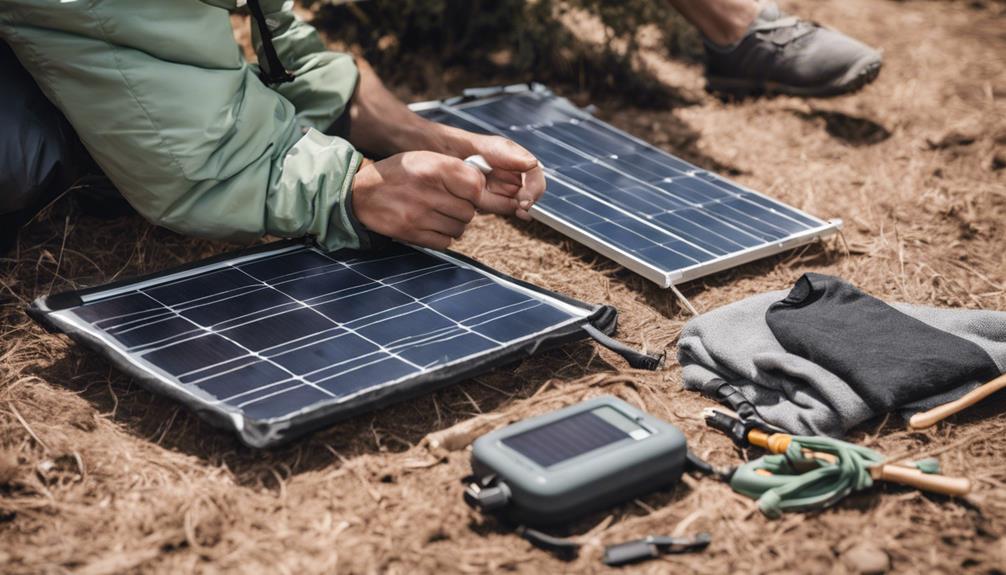
Considering rooftop solar? This guide helps U.S. homeowners evaluate whether solar photovoltaic (PV) is right for their home, how much system they may need, what questions to ask installers, and how to compare ownership and financing options.
Quick checklist: what to check before buying
- Roof condition and remaining useful life
- Annual electricity use (review ~12 months of bills)
- Shade, roof orientation, tilt, and usable area
- Local utility export rules and interconnection requirements
- Ownership and financing preferences (cash, loan, lease, PPA)
- Installer licensing, insurance, and warranty details
Is your home suitable for solar?
Suitability depends on roof age and structure, clear roof area, orientation toward the sun, shading from trees or nearby buildings, and local weather. If your roof needs replacement within a few years, plan that before or combined with the solar installation. HOA rules, local permits, and the utility’s interconnection process also affect feasibility.
How much solar do you need?
Distinguish capacity (kW) from energy (kWh). System capacity is the panels’ DC rating in kilowatts (kWdc); annual generation is measured in kilowatt-hours (kWh). Don’t assume a fixed system size for every home—size should be based on your historic consumption, goals (offset all or part of usage), available roof area, and the installer’s production model.
Review about 12 months of electricity bills and compare that usage with a site-specific production estimate. Tools such as NREL’s PVWatts can provide an initial forecast, but installer proposals should explain assumptions: panel orientation, shading, system losses, inverter sizing (kWac vs kWdc), and expected degradation.
What equipment is included?
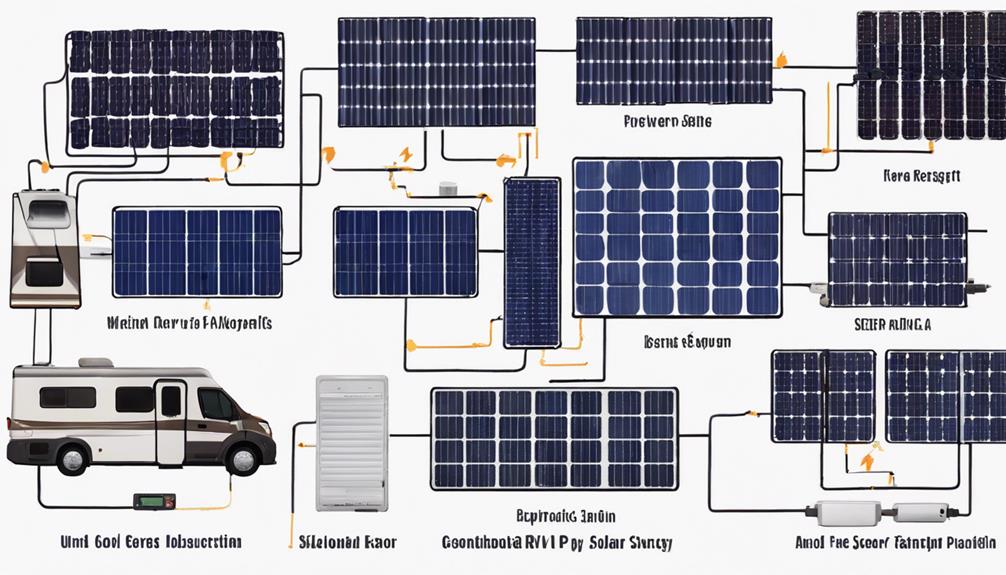
- Solar modules (panels) with product and performance warranties
- Inverter(s): string inverters, microinverters, or optimizers
- Racking and roof-penetration hardware
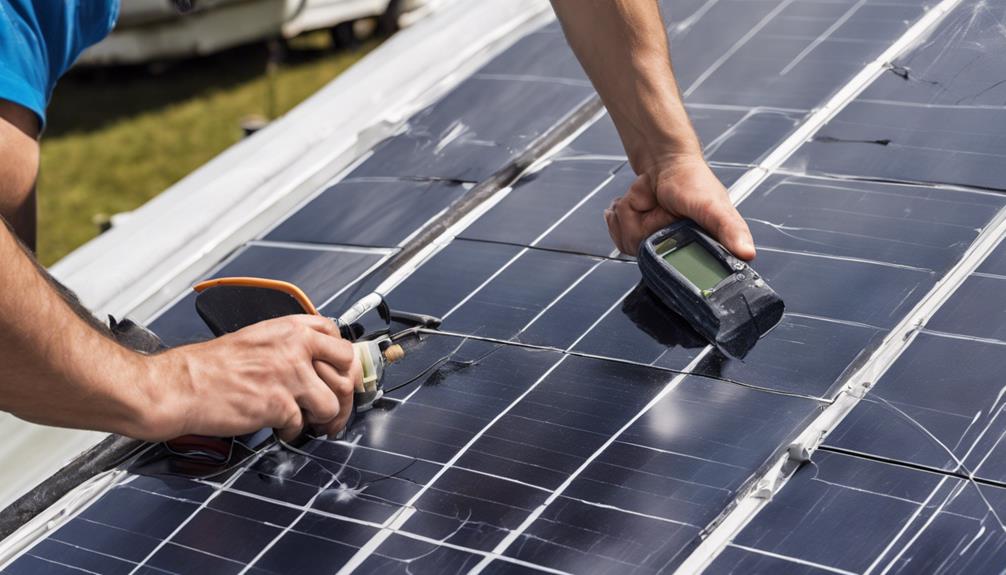
- Monitoring system for production and alerts
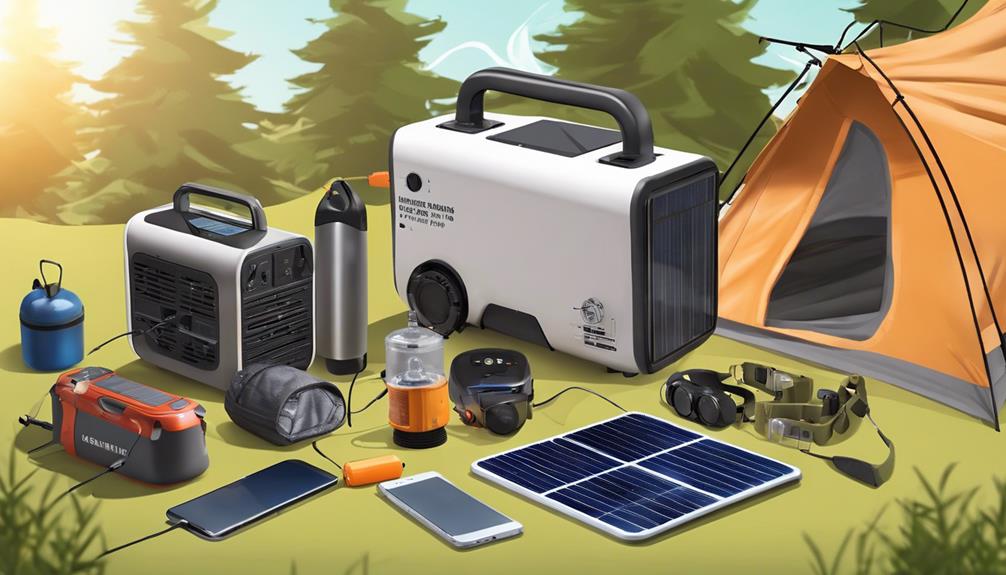
- Optional battery and backup equipment (if requested)
Do you need a battery?
Conventional grid-tied PV systems are required to shut down during grid outages—panels alone do not provide backup. A battery plus backup-capable inverter and transfer equipment are needed for outage power and must be designed to support a defined set of circuits.
Batteries can also shift solar energy to evening periods, reduce purchases during expensive peak rates, or increase self-consumption when export credits are low. They are not automatically financially beneficial: value depends on outage needs, local electricity pricing (including time-of-use rates), export compensation, battery costs, financing, warranties, and incentives.
Utility credits and interconnection
Compensation for exported electricity varies by utility. Some utilities offer net metering (credit near retail rate), others use net billing or lower export credits. Ask proposals to specify the export rate or credit, whether credits expire or can be cashed out, and any interconnection limits or fees. Tariff details—fixed charges, demand charges, and rate structure—can materially change system economics.
Ownership and financing options
- Cash purchase: Highest upfront cost but simplest ownership; long-term cost comparison is clearest.
- Solar loan: Spreads payments; compare APR, term, fees, and total repayment—not just monthly payment.
- Lease: Installer owns system; review payment escalators, transfer requirements, and who handles maintenance.
- PPA: You pay for electricity generated; check the rate, escalator, production guarantees, and contract term.
Comparing quotes: what to demand in writing
Obtain multiple written proposals that include:
- Total price and stated price-per-watt (for comparison only)
- DC and AC capacity (kWdc and kWac) and expected annual kWh production with assumptions documented
- Equipment brand and model numbers (panels, inverter, battery)
- All warranties: product, performance, inverter, battery (throughput/cycle limits), racking, and installer workmanship
- Who handles permits, inspections, interconnection, and utility approvals
- Installation schedule, payment milestones, and cancellation/transfer clauses
- Monitoring access and post-install service contact
Warranties, red flags, and scams
Separate warranties by component and ask who administers them. Beware of pressure sales, “free solar” claims, unsolicited government impersonations, demands for large upfront payments, and contracts that require same-day signing. The FTC warns consumers about these tactics—take time to review contracts carefully.
Incentives and tax rules (research date)
Research date: July 30, 2026. Under current IRS guidance as of this date, the federal Residential Clean Energy Credit (Section 25D) is not available for expenditures made after December 31, 2025. Verify state, local, utility, and federal programs with the IRS and relevant agencies before relying on incentives.
Pre-signing checklist
- Get at least three written quotes from licensed, insured installers
- Verify licenses, insurance, references, and complaint records
- Confirm roof condition and who pays for necessary repairs or replacement
- Review production estimates and the assumptions behind them
- Read cancellation, transfer, buyout, and removal provisions closely
- Confirm responsibility for permitting, interconnection, inspections, and monitoring
Conclusion
Buy solar based on verified production, transparent total cost, clear contract terms, and installer reliability—not on a single price-per-watt figure or high-pressure sales claims. For tax, legal, and utility-specific details, consult the IRS, your utility, state and local agencies, and qualified professionals before signing a contract.