Introduction
Rooftop solar photovoltaic (PV) systems can reduce the amount of electricity you buy from the utility, but they do not automatically erase your electric bill. Whether solar will meaningfully lower your costs depends on your home’s electricity use, roof and site characteristics, utility policies, financing, and maintenance expectations. This article explains how rooftop solar works, what affects savings, and what homeowners should evaluate before moving forward.
How residential solar lowers electricity costs
A solar photovoltaic (PV) system uses PV modules (the technical name for individual panels) to convert sunlight into direct current (DC) electricity. An inverter converts that DC to alternating current (AC) for household use. When your panels generate more than your home is using, that surplus can either be exported to the grid or—if you have a battery—stored for later use.
Key terms to know:
- Self-consumption: Solar electricity used directly in the home, which offsets utility purchases at the retail rate.
- Net metering: A billing arrangement that credits exported electricity; credit values vary by utility and state.
- Net billing/export compensation: Programs that compensate exports at a rate that may differ from the retail rate.
- Solar-plus-storage: Solar paired with a battery energy-storage system.
What determines your potential savings
Several site- and policy-specific variables shape how much you can save:
- Electricity use and timing: Homes with higher annual usage benefit more from on-site generation. Time-of-use (TOU) rates can make shifting use or storing solar at peak times more valuable.
- Local retail rates and export rules: Higher electricity prices increase the value of solar. How your utility credits exports (net metering vs. net billing) influences the value of excess generation.
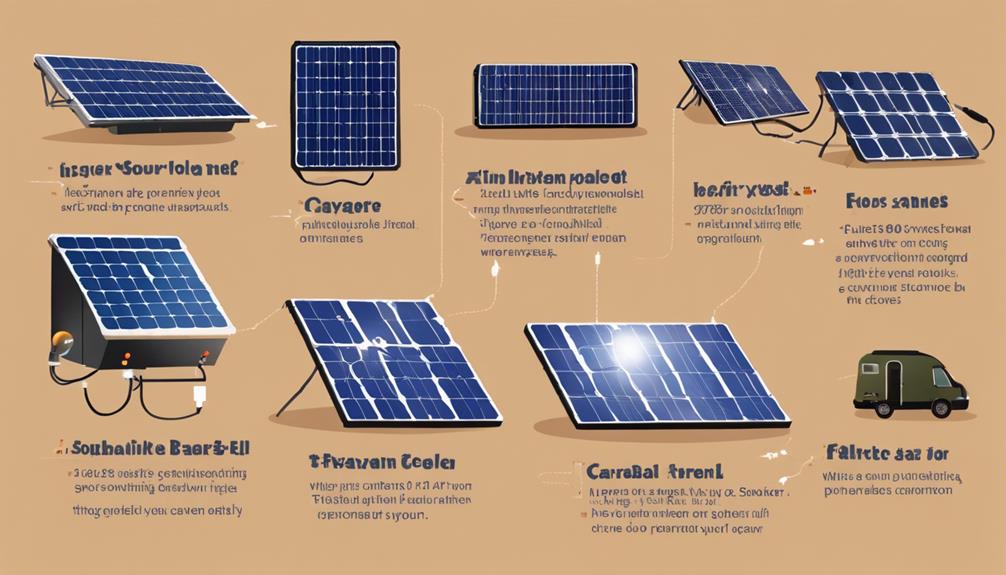
- Roof and site: Usable roof area, orientation (south-facing is often best in the Northern Hemisphere but southeast/southwest can work), slope, and shading from trees or structures affect production.
- System design and equipment: System size, panel efficiency, inverter choice, and monitoring affect output and reliability.
- Financing and ownership: Buying with cash, financing, leasing, or a power-purchase agreement changes the economics and who benefits from incentives.
Is your roof suitable for solar?
Ask these questions before you get quotes:
- How old is the roof and will it need replacement soon? (Replacing a roof after solar is installed is more complicated and costly.)
- What roof directions, slopes, and obstructions (vents, chimneys, skylights) affect panel placement?
- Is there significant shade during key daylight hours?
- Does your electrical panel have capacity for the system, or will upgrades be needed?
Panels, inverters, and batteries — the components that matter
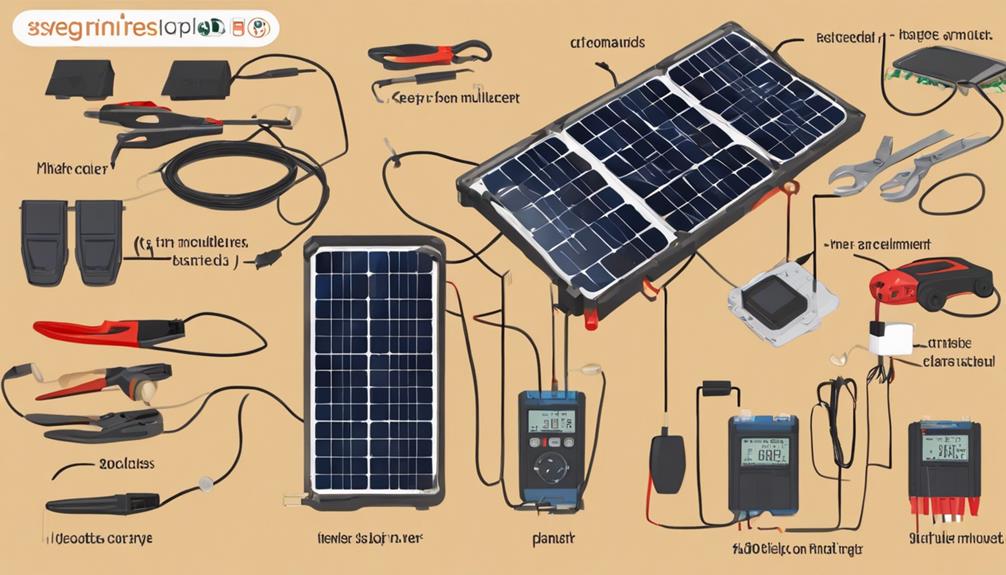
A complete grid-connected rooftop PV system includes modules, racking/mounting, wiring, one or more inverters, and—optionally—battery storage. Important design choices include:
- String inverter vs. microinverters: A string inverter serves groups of panels; microinverters convert power at each panel. Microinverters reduce the impact of panel-level shading or mixed orientations.
- Batteries: Batteries increase self-consumption and can provide backup power only if the system and controls are specifically configured for backup. Grid-tied systems without appropriate battery/transfer equipment will shut down during outages for safety.
- Solar shingles/building-integrated PV: These are alternatives to mounted modules but should be evaluated for cost, performance, and warranty differences.
Understanding payback and financial measures
Payback period is the time it takes for cumulative savings to equal your upfront investment. It’s a simple metric but doesn’t capture the whole picture. Net present value (NPV) accounts for future savings, equipment replacement (inverters may need service during the system life), degradation, maintenance, and financing costs. Avoid trusting a single number without seeing the assumptions behind it (electricity price escalation, export credits, system degradation rate, loan interest, and equipment replacement timing).
Residential systems commonly last about 20–25 years; panels typically degrade slowly but inverters often have shorter service lives and may require replacement during that period.
Incentives and utility rules — check the specifics
Federal, state, and local incentives can materially affect economics, but they are time- and location-sensitive. Note the current federal rule: the Residential Clean Energy Credit is available only for qualifying property placed in service through December 31, 2025. After that date, eligibility rules for the federal credit may change. Always verify state, local, and utility programs and the details of net metering or export compensation with your utility.
Buying solar responsibly
Steps and a short checklist:
- Review recent electricity bills to understand usage and demand patterns.
- Obtain multiple itemized quotes with production estimates and clear assumptions.
- Check installer credentials, insurance, references, and read equipment warranties.
- Confirm who owns the equipment, who is responsible for maintenance, and how warranties transfer on sale of the home.
- Factor in permitting, inspection, and utility interconnection steps—these are typically required.
Alternatives if rooftop solar isn’t a fit
- Community solar subscriptions for renters or shaded properties.
- Energy-efficiency upgrades (insulation, HVAC, LED lighting) to lower the baseline load.
- Load shifting and demand-management under TOU rates to reduce peak charges.
- Battery-only installations for backup or load-shifting where generation isn’t practical.
Conclusion
Rooftop solar can reduce how much electricity you buy from the grid, but savings are site-specific and depend on roof characteristics, utility policies, financing, and maintenance expectations. Get site-specific production estimates, multiple detailed quotes, and confirm current incentive and interconnection rules before deciding. Treat payback estimates as one input among many—NPV, warranties, and long-term system performance also matter.