Introduction: what solar panels can—and cannot—do
Solar photovoltaic (PV) systems can generate some or all of a household’s electricity, cutting the amount you buy from your utility and reducing operational emissions. They are not a guaranteed way to eliminate utility bills or a simple plug-and-play solution for every home. Whether solar is a good fit depends on your roof, local rules, financing, and how you plan to use the electricity.
How a residential PV system works
At a basic level:
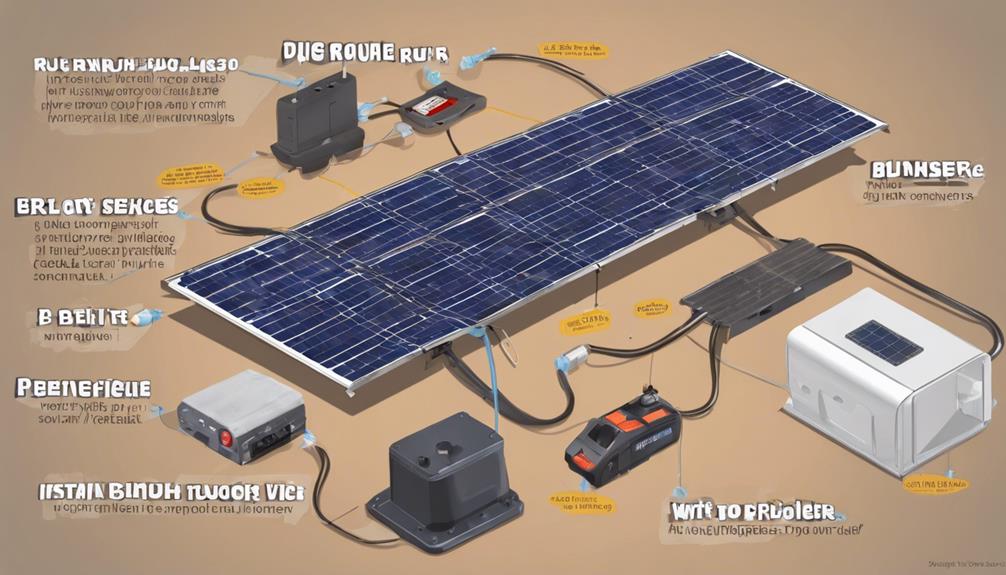
- Sunlight strikes PV cells inside a PV module (a single panel). Cells convert sunlight directly into direct-current (DC) electricity.
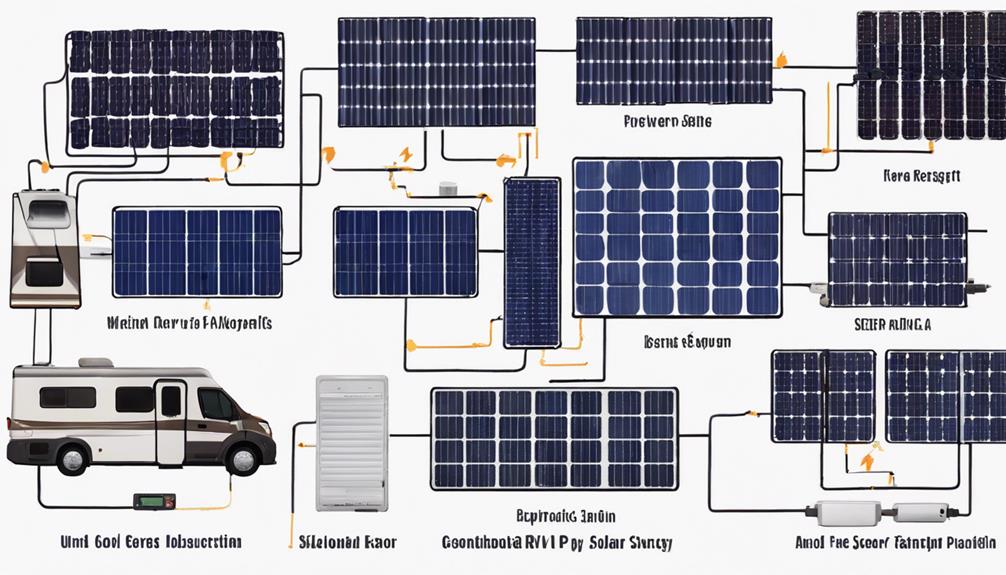
- Multiple modules connected together form a solar array. The array’s DC output goes to an inverter, which converts DC to alternating-current (AC) electricity used by most home appliances and the grid.
- Your home uses solar-produced electricity first. Excess generation may flow to the grid or charge a battery, depending on your system and utility rules.
- A battery energy storage system (BESS) can store electricity for later use; battery capacity is measured in kilowatt-hours (kWh), while power delivery capability is rated in kilowatts (kW).
What determines how much energy a system produces
Energy production (measured in kWh over time) depends on many site- and system-specific factors:
- Solar access: Roof orientation, tilt, and shade from trees or neighboring structures affect usable sunlight.
- Location and climate: Latitude, seasonal daylight hours, and typical cloudiness matter.
- System size and equipment: System capacity is usually expressed in kWdc (DC capacity) and inverter output in kWac. Panel efficiency and inverter quality also influence output.
- Roof condition and area: Available space, roof age, and structural condition limit array size and installation timing.
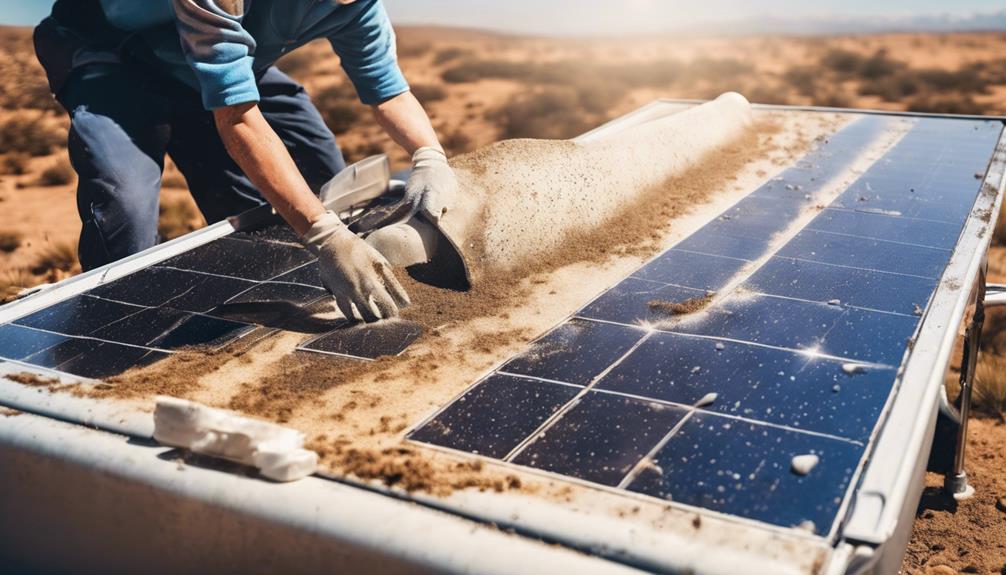
- Operations: Dirt, snow, and deferred maintenance reduce production.
- Utility export rules: Compensation for exported electricity (net metering, net billing, export credits) varies widely by utility and state and changes results significantly.
Main benefits—realistic and conditional
- Reduction in purchased electricity: A properly sized system can lower the energy you buy from the utility, but fixed charges and some grid purchases often remain.
- Long-term protection from rising retail electricity rates: Generating some of your own power can reduce exposure to future price increases.
- Lower operational emissions: PV systems produce no onsite air pollution or CO2 while operating; manufacturing and end-of-life handling do have environmental impacts.
- Local generation and resilience when paired with storage: Adding a correctly configured battery can provide backup power during outages and shift use to lower-cost hours, depending on design.
Important limitations
- Production varies daily and seasonally; midday, sunny hours typically produce the most energy.
- Grid-tied systems usually shut down in a utility outage for safety unless the inverter and controls are configured with battery storage or an approved islanding feature.
- Upfront costs, financing charges, maintenance, and inverter or battery replacements affect lifetime savings—outcomes depend on many assumptions.
- Utility credit and interconnection policies differ by location and can change; don’t assume the same compensation everywhere.
- Not every roof or household is a good candidate; limited roof area, heavy shading, or imminent roof replacement can make solar less suitable.
Solar versus solar-plus-storage
Solar alone reduces daytime electricity purchases and can export surplus to the grid under local rules. Solar-plus-storage adds the ability to:
- Use stored solar energy after sunset or during cloudy periods.
- Provide outage backup if the system is designed for islanding and the battery/battery inverter is sized appropriately.
- Shift energy use to avoid high-rate periods (useful where time-of-use pricing applies).
Batteries add cost and are not 100% efficient—charging and discharging lose some energy—so the decision depends on backup needs, rate structures, and budget.
Buying or financing a system: options to compare
- Cash purchase: you own equipment and incentives, and you are responsible for maintenance and replacement.
- Loan financing: spreads cost while typically leaving ownership with you; check interest rates and total interest paid.
- Leases and power purchase agreements (PPAs): a third party owns the system and provides power or leases panels; contract terms, transfer rules, and who claims incentives differ from ownership.
Compare total contract costs, warranty coverage (product and performance), production estimates in kWh, and terms for roof repairs and home sales.
Installation checklist
- Assess roof age, structural condition, and shading.
- Get multiple written estimates and production estimates from reputable installers.
- Verify contractor licensing, insurance, and references.
- Confirm which permits, inspections, and utility interconnection steps the installer will handle.
- Review equipment warranties, performance warranties, and maintenance responsibilities.
- Ask who handles future repairs, inverter replacement, and battery end-of-life procedures.
Incentives, utility rules, and why you should verify locally
Incentives and export compensation are location- and time-dependent. Federal, state, and utility programs change. As of the information used for this article, a federal residential clean-energy tax credit applied to qualifying property through December 31, 2025; readers should verify current federal and local incentives before planning a purchase.
Conclusion
Solar PV can be a useful way to generate clean electricity at home and reduce some utility purchases, especially when site conditions, utility policies, financing, and system design align. It is not a universal solution—evaluate roof condition, expected production in kWh, interconnection rules, and costs carefully, and get multiple bids from qualified contractors before deciding.
Last reviewed: August 17, 2026. Verify tax credits, utility export rules, and local permitting requirements at the time you plan installation.