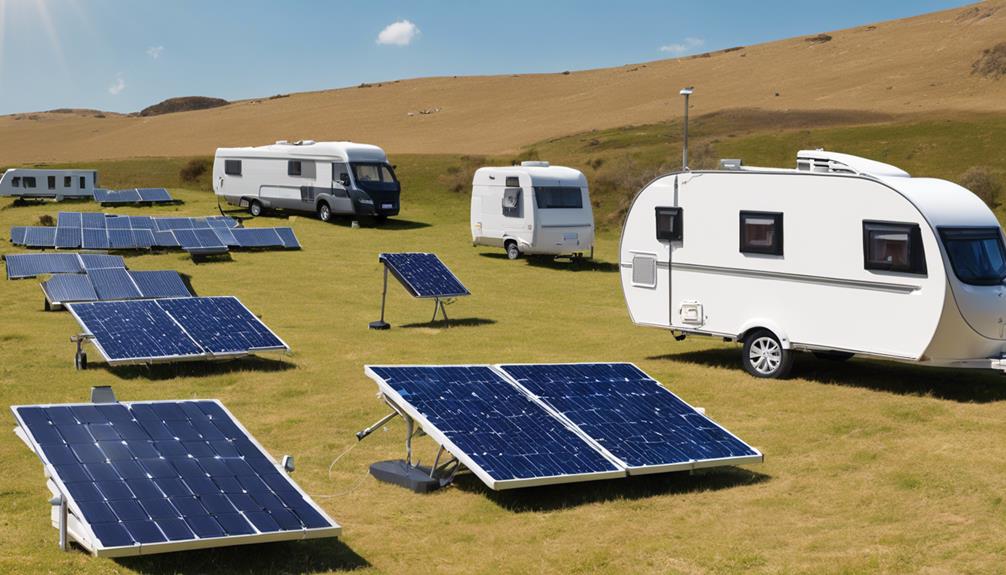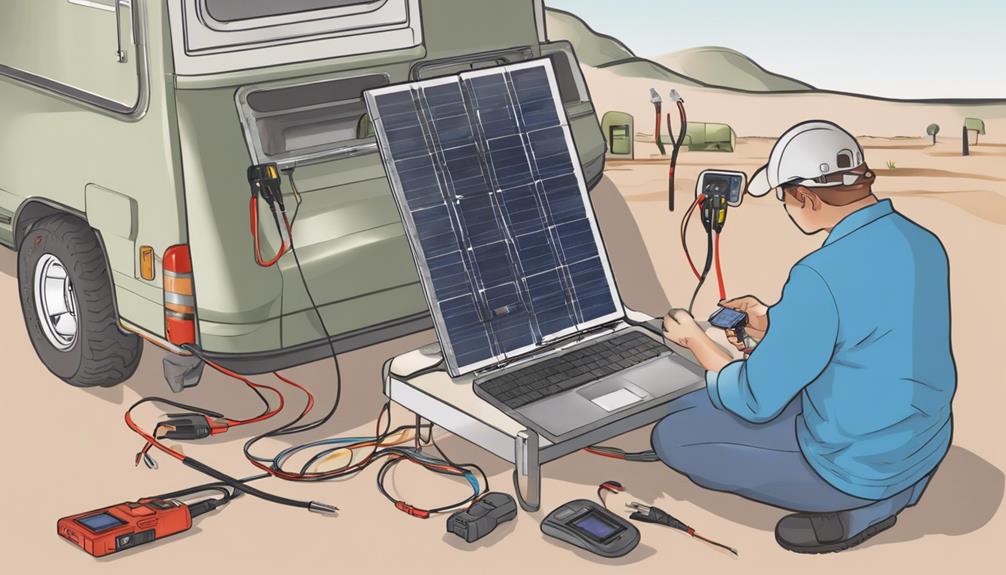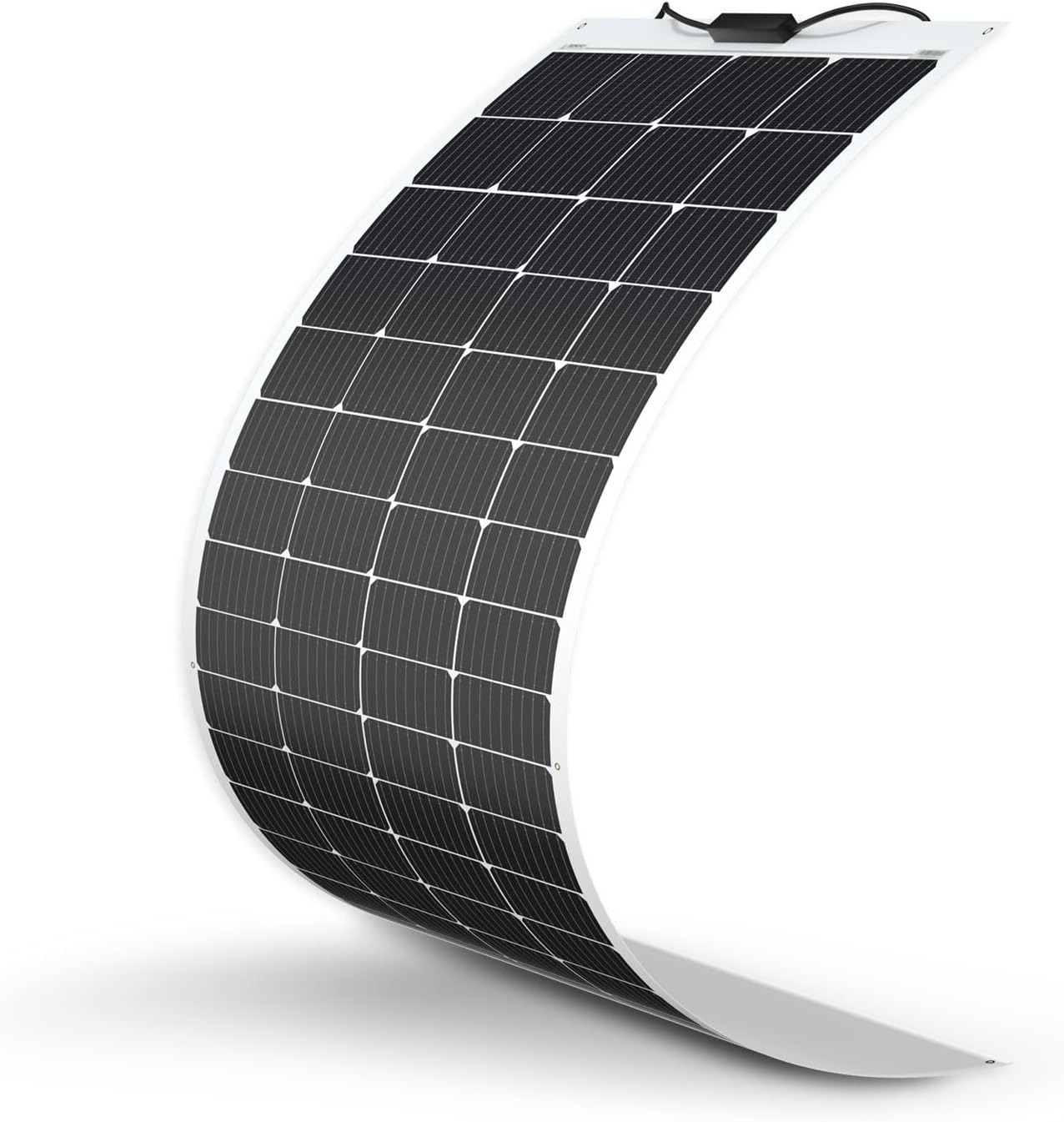
“Harvesting” solar power means converting sunlight into usable energy at your home. For most U.S. homeowners that means a solar photovoltaic (PV) system: semiconductor cells inside PV modules produce direct current (DC) electricity from sunlight, and an inverter turns that DC into the alternating current (AC) your house and the grid use. This article explains how residential PV works, what a complete system includes, practical site and financing considerations, and the permits, storage, and safety issues to watch for.
How solar panels turn sunlight into electricity
Solar cells—commonly silicon semiconductors—create electrical charges when exposed to light through the photovoltaic effect. Many cells are packaged into a PV module (panel); multiple modules wired together form a solar array. The array’s output is DC, so an inverter or inverter system (string inverter, microinverters, or power optimizers) converts that power to AC for appliances and, if the system is grid-tied, for export to the utility.
Actual energy output varies with sunlight intensity, shading, panel orientation and tilt, temperature, season, and system losses. Rated capacity (watts) is useful but does not equal annual energy production (kilowatt-hours). Tools such as NREL’s PVWatts estimate likely monthly and yearly output for your location when you enter system size, tilt, and shading assumptions.
What a residential solar system includes
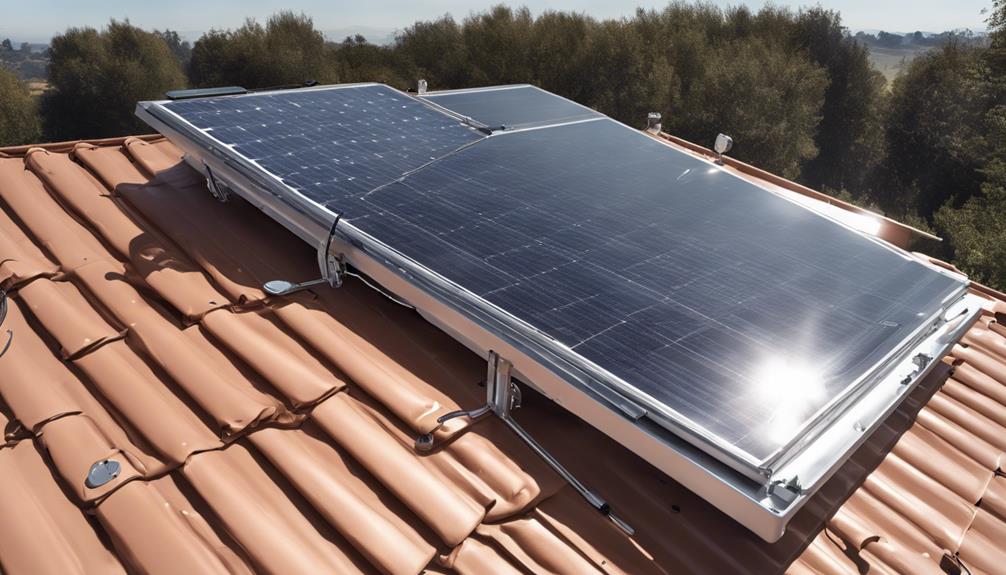
- PV modules (panels) and racking/mounting hardware for your roof or ground.
- An inverter solution (string inverter, microinverters, or optimizers) plus disconnects and protection devices.
- Wiring, conduit, and a connection to your main electrical panel and meter.
- Optional battery energy storage system (BESS) if you want backup or time-shifting of solar energy.
- Monitoring hardware or software to track production and detect faults.
- Interconnection equipment as required by your utility and inspection authorities.
Panels are only one part of the system; inverters, mounts, electrical work, and permitting are essential to a safe, code-compliant installation.
Is your home suitable for solar?
Key practical factors are roof condition and remaining life, shading from trees or neighbors, usable roof area and orientation (south-facing roofs usually perform best in the U.S.), and local solar resource. A roof that needs replacement should normally be addressed before installing long-lived PV equipment. If rooftop installation isn’t practical, options include ground-mounted systems, carport arrays, or subscribing to community solar projects that share generation benefits without on-site panels.
Compare estimated production with your historical electricity use to size a system realistically. Avoid relying on headline claims about percentage bill reductions without local data.
Solar panels, batteries, and the electric grid
Most residential PV systems are grid-tied. Interconnection arrangements—often called net metering or export compensation—determine how your utility credits exported electricity. Policies vary widely by state and by utility: credit rates, billing structures, and eligibility differ, so check your utility’s rules for current details.
Standard grid-tied systems are designed to shut down during a utility outage to protect line workers. To keep your home powered in an outage requires a system specifically configured for backup: the correct inverter or an inverter plus a battery BESS and an approved transfer or islanding setup. Batteries can also store daytime solar for evening use, but they add cost, space, and maintenance considerations.
Buying, leasing, or signing a PPA
Ownership affects costs, incentives, and responsibilities. With a purchase or solar loan you own the system and are responsible for maintenance and component replacement—but you also generally own any tax benefits and renewable energy credits. A lease or power purchase agreement (PPA) typically means a third party owns the equipment; you pay for use or electricity produced. Leases and PPAs may include escalator clauses, transfer requirements when selling a home, and differing warranty or maintenance arrangements. Read contracts carefully and understand who is responsible for repairs and insurance.
Permits, inspections, and utility approval
Installing a grid-connected PV system requires local building and electrical permits, inspections, and a utility interconnection application. The utility must usually grant a Permission to Operate (PTO) before the system can be energized. Permitting and interconnection timelines vary—installation might take days, but the approval process can take weeks or months in some jurisdictions. Never energize a system before receiving utility authorization.
Solar maintenance and expected lifespan
Silicon PV modules typically last 25 years or more and often retain more than 80% of rated power after that period. However, inverters, batteries, and mounting hardware have different lifespans and warranties. Routine maintenance includes monitoring production, inspecting for storm or animal damage, trimming vegetation that causes shading, and cleaning panels if soiling significantly reduces output. Use qualified professionals for electrical or roof work; battery systems require specialized safety handling.
Federal, state, and utility incentives (status as of August 5, 2026)
Federal tax law changed for residential solar: the Section 25D Residential Clean Energy Credit is not available for qualifying expenditures made after December 31, 2025. Some systems installed before that deadline may still involve filing or carrying forward a credit under IRS rules—check with a tax professional. State, local, tribal, and utility incentives may still be available, but eligibility and terms change frequently and must be verified for your location and installation date.
How to avoid solar scams
- Be skeptical of “free solar,” government-impersonation tactics, guaranteed-savings promises, or high-pressure sign-up tactics.
- Get multiple written bids, compare equipment specs and warranties, and verify installer licensing, insurance, and references.
- Ask who owns the system (and certificates or credits), and review contract transfer terms if you plan to sell your home.
Conclusion
Residential PV can reduce the electricity you buy from the grid and increase your energy independence, but it is not automatically inexpensive, maintenance-free, or suitable for every roof. Evaluate production estimates for your property (tools like PVWatts help), compare proposals, confirm permits and interconnection rules, and work with qualified installers. For backup during outages or more control over energy use, consider a carefully specified solar-plus-storage system rather than assuming panels alone will power your home during an outage.