Choosing the right power source is one of the most important decisions for comfortable and reliable camping. Deep cycle batteries for camping provide steady, long-duration power for lights, refrigerators, fans, and small appliances, and they integrate well with portable solar arrays for extended off-grid trips. This article explains the types, sizing, charging options, and practical setups—so you can select the best battery for your tent, camper, or RV while keeping an eye on longevity and compatibility with home solar battery storage systems.
Why deep cycle batteries are ideal for camping
Deep cycle batteries are designed to be discharged and recharged repeatedly without damage, unlike starter batteries which deliver short bursts of high current. For camping use, deep cycle batteries deliver a stable voltage over many hours, making them ideal for powering LED lighting, water pumps, portable refrigerators, and inverter-driven devices. They are available in common camping-friendly formats such as 12-volt units that fit RV battery trays, making options like a 12v rv battery deep cycle or a 12v battery for camper easy choices for many outdoor setups.
Types of deep cycle batteries and how they compare
There are several chemistry and construction options for deep cycle batteries, each with trade-offs in weight, cost, maintenance, and lifespan. Flooded lead-acid batteries are often the least expensive and are commonly used in home solar battery storage as well as in some camping setups, but they require regular maintenance and proper venting. Absorbed glass mat (AGM) batteries are sealed lead-acid variants that are maintenance-free and more vibration resistant, making them popular for camper installations. Gel cells are similar to AGM but can be more sensitive to charging voltages.
LiFePO4 (lithium iron phosphate) batteries are becoming the preferred choice for serious campers and RVers because they offer far greater cycle life, lighter weight, and faster charging. Although the upfront cost is higher, a lithium 12v battery for camper can deliver years of high-performance service and integrates well with solar charging systems because it accepts higher charge currents and maintains a stable voltage under load.
Sizing and selecting the right battery for your camper or RV
Choosing an appropriately sized battery starts with measuring your expected daily energy use in amp-hours. List the appliances you will run, estimate their wattage and hours of use, and convert to amp-hours at 12 volts. A common rule of thumb is to size for at least two to three days of autonomy, especially if you plan to boondock without shore power. For many small campers, a single 100 to 200 amp-hour 12v rv battery deep cycle or a pair of smaller batteries will cover lighting, a low-draw fridge, and device charging. Larger RVs or those running inverter loads like a microwave will need higher capacity or multiple batteries.
Remember the usable capacity varies by chemistry: lead-acid batteries should not routinely be discharged beyond 50 percent without shortening their lifespan, while many lithium batteries can use 80 to 90 percent of their capacity. This means a 100 amp-hour lithium pack has significantly more usable energy than a 100 amp-hour flooded lead-acid battery.
Charging strategies and integrating with solar
Reliable charging is crucial in camp and in home solar battery storage systems. A quality multi-stage charger is recommended to maximize battery life for lead-acid types, managing bulk, absorption, and float stages. For campers using solar panels, a solar charge controller—MPPT types preferred—optimizes panel output and ensures the battery receives the correct voltage and current for its chemistry.
If you plan to use batteries both at camp and as part of a home solar battery storage system, look for models and battery management systems that support remote monitoring and smart charging profiles. Many lithium batteries have integrated battery management systems (BMS) that protect against overcharge, over-discharge, and thermal issues, which simplifies integration with both portable solar arrays and fixed home systems. When combining solar and shore power charging, ensure your charge controller and inverter/charger are configured to work together to prevent conflicting charging algorithms.
Maintenance, safety, and best practices
Maintenance requirements vary greatly by battery type. Flooded lead-acid batteries need periodic water top-ups and careful venting to avoid hydrogen buildup. AGM and gel batteries are maintenance-free but still benefit from proper charging and storage practices. Lithium batteries require the least day-to-day care but should be protected from extreme temperatures and high-voltage charging systems that are not lithium-compatible.
For safe camping use, secure batteries in a ventilated, stable compartment, use properly sized cables and fuses, and ensure your inverter and charger are matched to the battery voltage—commonly 12 volts for most campers. Regularly inspect connections for corrosion and tighten terminals. If you use a 12v battery for camper applications, include a low-voltage disconnect or monitor to prevent deep discharge and avoid permanently damaging the battery.
Practical use cases and setup examples
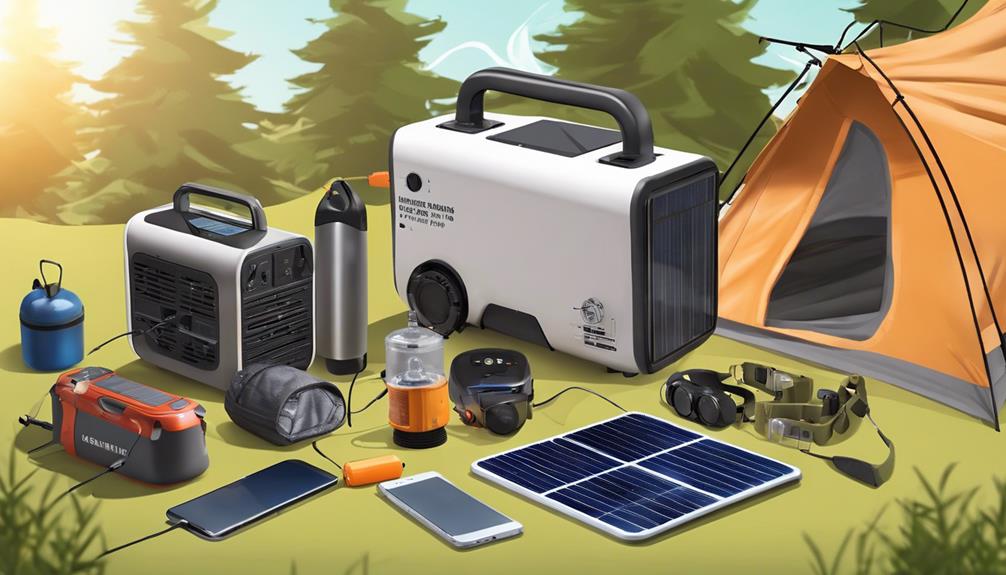
A practical weekend setup for a small camper might include a single 100 amp-hour AGM battery paired with a 100-watt portable solar panel and an MPPT charge controller. This arrangement will run LED lights, charge devices, and keep a small 12-volt compressor fridge operating for a couple of days with moderate sun. For longer trips or full-time van life, a dual 100 amp-hour lithium setup powered by a 400-watt roof array and a robust inverter provides ample energy for kitchen appliances, heating elements, and electronics while staying compact and lightweight.
For those who want seamless transition between camping and home use, some owners use modular lithium battery packs that can be connected to a home solar battery storage system when stationary and then disconnected for mobile use. This flexibility leverages the battery’s capacity and aligns with a broader energy strategy that covers both off-grid adventures and emergency home backup.
Choosing deep cycle batteries for camping requires balancing budget, weight, maintenance, and energy needs. Whether you opt for traditional lead-acid options or invest in lithium technology, focus on proper sizing, compatible charging, and safe installation. Thoughtful integration with portable solar or home solar battery storage can transform a simple campsite into a comfortable, energy-independent base—letting you enjoy the outdoors without sacrificing the conveniences you rely on.