Introduction
“Tent with solar panel” can mean different things: a tent with photovoltaic (PV) hardware built into its fabric or shell, a tent designed to accept a separate panel, or a conventional tent paired with a portable solar panel and a battery power station. This guide explains those categories, how the systems work, what they can realistically power, and the tradeoffs to consider when choosing a solar approach for camping.
What a “Tent with Solar Panel” Can Mean
There are four practical categories to know:
- Solar-integrated tents: PV panels or modules are built into the tent roof, shell, or hard top (for example, some rooftop-tent designs). Integration reduces loose components but comes with design tradeoffs.
- Solar-ready tents: The tent includes cable ports, mounting points, or pockets for a battery or lights but does not include a panel.
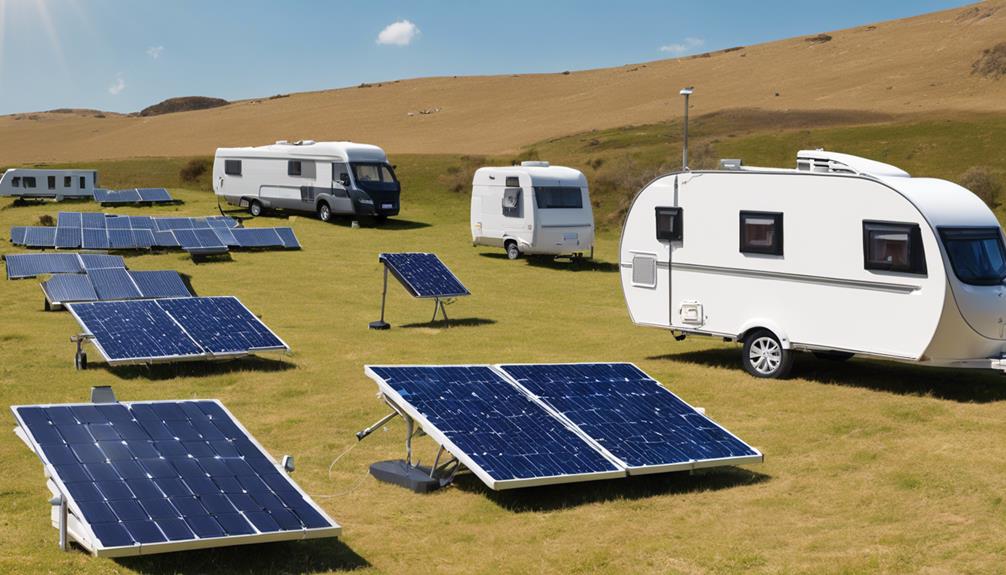
- Separate portable solar systems: A conventional tent plus a foldable or rigid panel, a charge controller, and a portable power station (often called a “solar generator” in retail terms).
- Specialized/expedition shelters: Larger photovoltaic shelters or fabric-integrated systems for military, humanitarian, or event use. These differ from consumer camping tents in scale and cost.
How a Solar Tent System Works
At a basic level the chain is:
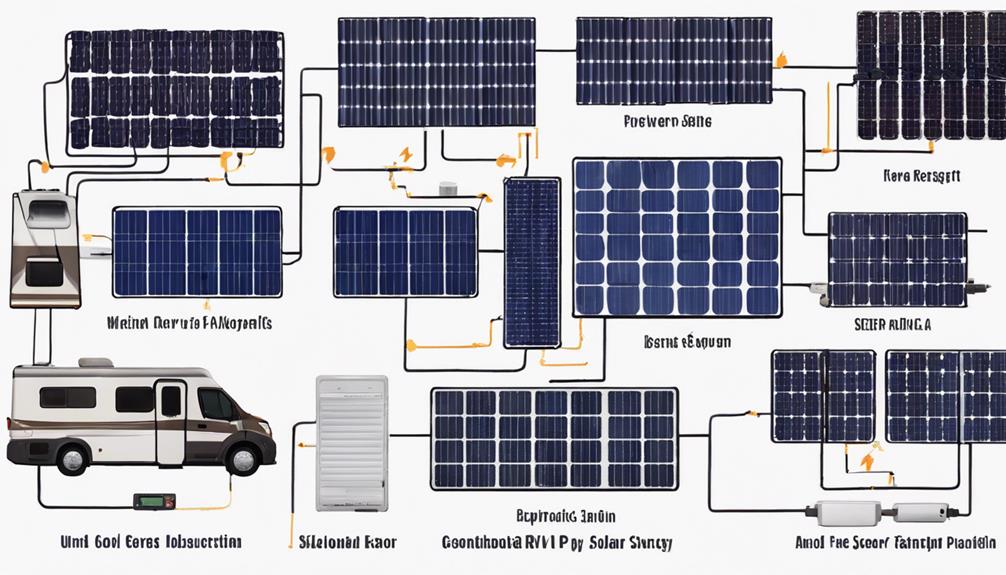
Sunlight → PV panel → charge controller/solar input → battery or portable power station → device (USB/DC/AC) output.
PV panels produce electricity only when illuminated; production varies with sun angle, clouds, temperature, dirt, and shading. A battery (measured in watt-hours, Wh) is usually required to store daytime energy for nighttime use. Losses occur during conversion and charging, so stored energy will be somewhat less than the panel produced.
Integrated Solar Tent vs. Separate Panel + Power Station
Compare the two approaches by use case and practical tradeoffs:
- Convenience: Integrated panels reduce setup and loose items. Separate systems add setup but allow independent placement of the panel for better sun exposure.
- Sun positioning: A sewn-in panel is fixed to the tent’s orientation. A separate panel can be angled and moved to follow sun patches—useful under trees or for multi-day charging.
- Repair and upgrades: Separate components are easier to replace or upgrade. Integrated panels may complicate repairs and could affect tent warranty.
- Weight and packability: Some integrated designs add weight to the tent. Portable panels and power stations can be shared across trips and other uses but add to gear volume.
- Durability: Integrated panels face abrasion and folding stress; flexible panels vary widely in robustness. Check manufacturer specifications.
What a Camping Solar System Can Realistically Power
Small electronics are the common, practical loads: smartphones, GPS units, camera batteries, LED lanterns, low-power fans, tablets, and some medical or communication devices if their power needs match the system. Expecting to run high-watt appliances (space heaters, AC units, induction cooktops, large refrigerators) from a tent-mounted or small portable system is unrealistic without a much larger, more expensive system and significant battery capacity.
Specifications to Compare When Shopping
- Panel wattage (watts): rated peak power under standard test conditions—useful for sizing but not a guaranteed daily yield.
- Battery capacity (watt-hours, Wh): how much energy can be stored for later use.
- Output limits (USB/DC/AC and inverter continuous wattage): what you can run at once.
- Solar-input limits (voltage/current): how fast the battery can accept charge from the panel.
- Weight and packed size: critical for backpacking decisions.
- Environmental ratings and weather protection: IP ratings, connector sealing, and guidance about exposure to rain.
- Cable and connector compatibility: ensure the panel, controller, and power station match or use appropriate adapters.
Practical Tips for Effective Use
- Choose a campsite with unobstructed sun if charging is important; keep panels clean and unshaded.
- Store energy in a battery during daylight and run small loads from the battery at night to avoid inconsistent generation.
- Use low-power LED lighting and efficient charging to stretch stored energy.
- Protect power stations and connectors from rain—don’t leave them exposed in pooling water.
- Follow manufacturer instructions on folding, mounting, and wiring; avoid permanent modifications that could void warranties or create hazards.
Market Examples and Reality Check
There are real consumer and specialist examples across the market. For instance, some rooftop hard-shell tents list integrated panels (one example lists a 148 W panel integrated into a rooftop tent shell), while companies such as Goal Zero exemplify the modular panel-plus-portable-power-station model. Pvilion and similar firms focus on larger photovoltaic shelters for defense and expedition use. Some smart-tent products offer internal batteries and USB charging but may not include solar inputs—check specs before assuming solar integration.
Product availability, pricing, and exact specifications are time-sensitive; verify current details before purchase.
Is a Solar-Integrated Tent Worth It?
If you value simplicity and are camping where the tent top will get direct sun (or you use a rooftop setup), integrated solar can be convenient. If you need flexibility to angle panels, share gear across vehicles and trips, or prioritize repairability and upgradability, a separate panel and power station are usually the more adaptable choice. For backpacking, pack weight and durability should drive the decision.
Conclusion
Solar options for tents range from sewn-in panels and rooftop shells to modular, portable panel-plus-battery systems and large expedition shelters. For most campers, a portable panel paired with a power station offers the best balance of flexibility and replaceability. Whatever approach you choose, size the panel and battery for the loads you actually need, respect weather and safety limits, and verify product specifications and availability before buying.