Portable solar can keep phones, lights, cameras, coolers, and even CPAPs running at camp — but it’s not magic. Panels turn sunlight into electricity; batteries store it. The right combination depends on how you camp (backpacking vs car camping vs overlanding), how many devices you need to run, and how much sun you expect. This guide helps you pick, size, set up, and care for a camping-ready solar setup.
How camping solar works — the basics
Solar panels (portable solar panels or solar chargers) convert sunlight into direct-current electricity. That electricity must either be used immediately by a device that accepts DC/USB input, or stored in a battery: a power bank (small USB-focused pack) or a portable power station (larger battery with AC outlets and a solar input). An inverter converts DC to AC when you need standard household outlets. Watts (W) describe power or panel output; watt-hours (Wh) describe stored energy or energy use over time.
Are solar panels worth it for your trip?
Solar is a good fit when you need multi-day off-grid power, want a quiet, fuel-free option, or plan long daytime charging periods. It’s less useful when most of your time is under dense canopy, you only need a quick top-off for a phone on a weekend, or you need reliable overnight power for critical medical devices without tested backups. Always test any medical-device setup at home and bring backups.
Types of portable solar setups
- Small solar charger + phone/power bank: Ultralight for backpacking and emergencies. Good for trickle charging phones and GPS units; slow and sun-dependent.
- Foldable 20W–60W panels + USB power bank: Best for day trips and short multi-device trips — phones, cameras, lights. Look for USB-C PD if you need faster charging.
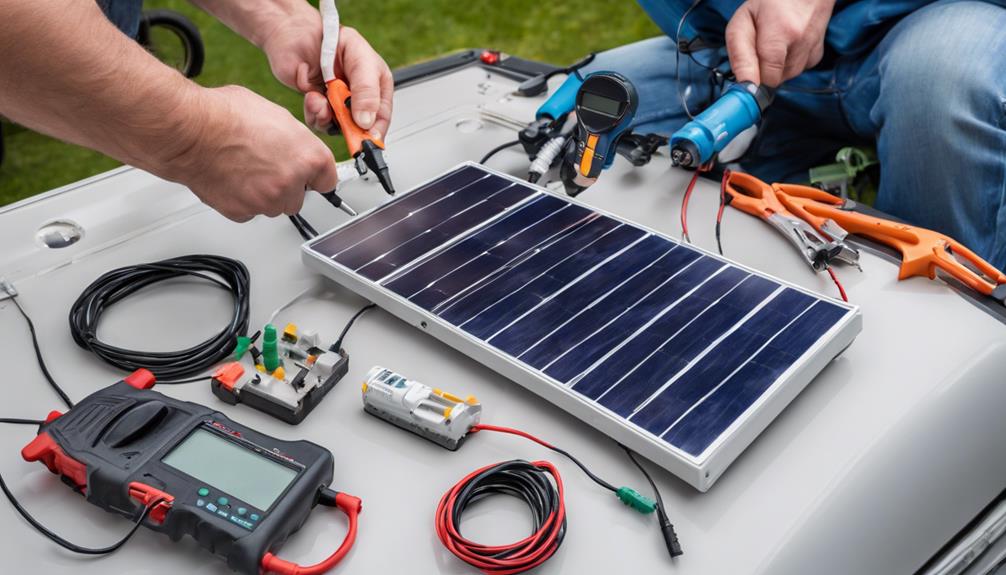
- 100W–200W panels + portable power station: For car camping, overlanding, or running laptops, fridges, fans, or CPAPs. Match panel ratings and connectors to the power station’s solar input.
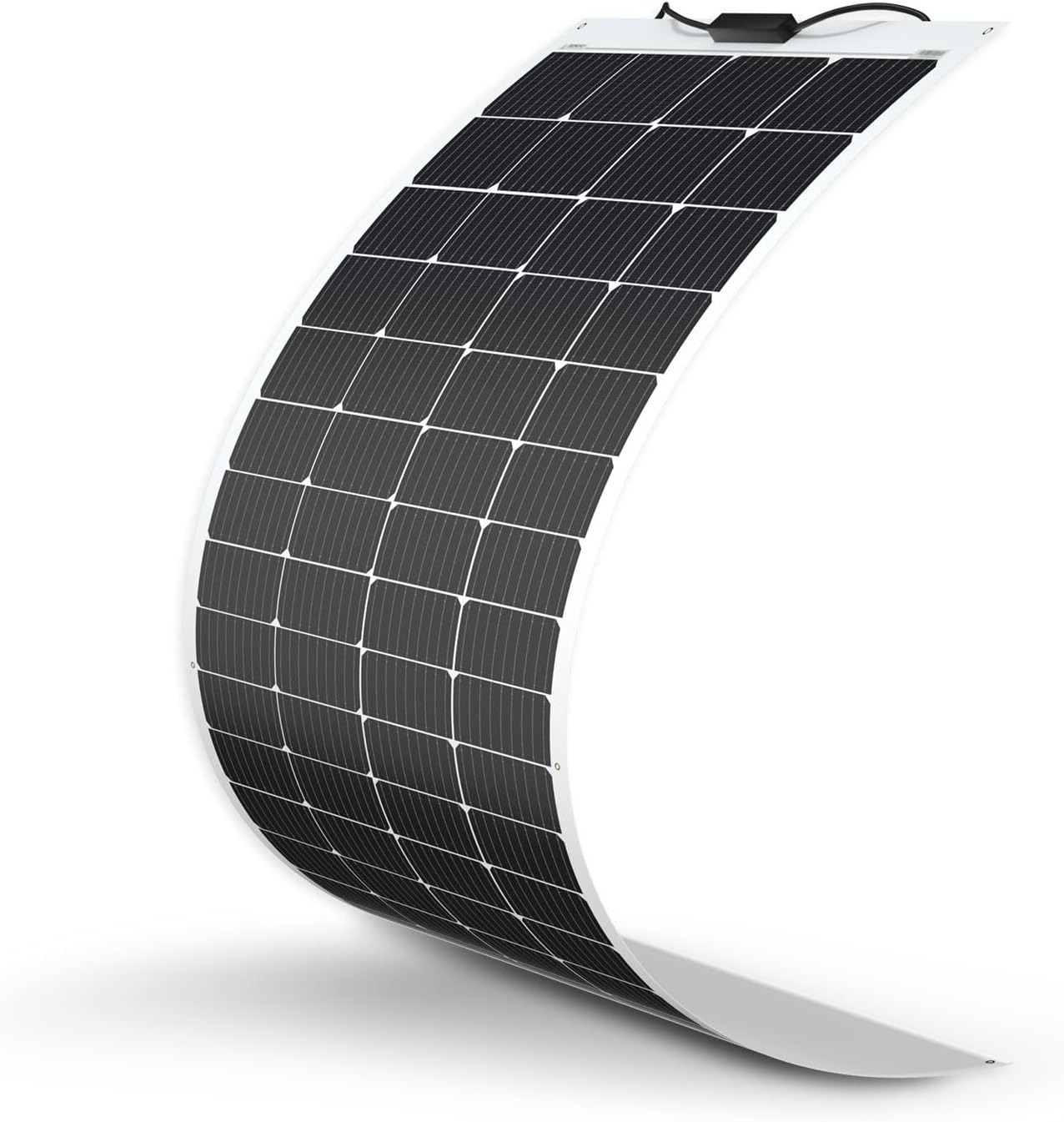
- Rigid or semi-rigid vehicle/RV panels: Roof-mounted or long-term camp systems. Less portable but durable and always ready.
How much solar power do you need? Simple sizing math
Estimate energy needs in Wh: device wattage × hours used = Wh. Add a margin for losses (inverter, MPPT, temperature, shade) — plan 20–40% extra.
Rough daily examples (typical ranges):
- Phone full charge: ~10–20 Wh
- Headlamp/night light: 1–5 Wh
- GPS: 2–5 Wh
- Camera battery: 10–30 Wh per battery
- Laptop charge: 40–100 Wh
- CPAP (8 hours): ~240–480 Wh (varies by model)
- Portable fridge (day): ~700–1,400 Wh (highly dependent on fridge efficiency and ambient temp)
To estimate solar production: Panel watts × useful sun hours × real-world efficiency factor = rough daily Wh. Useful sun hours vary by location and season (commonly 3–6). Use an efficiency factor of 0.5–0.7 to reflect shade, angle, and temperature losses.
Example: a 100W panel × 5 sun-hours × 0.6 = about 300 Wh/day.
Matching panels, connectors, and charge controllers
- Check the power station’s maximum solar input (voltage, current, and watts). Don’t exceed that limit.
- Connector compatibility matters: common types include MC4, XT60, Anderson, DC barrel, and USB-C. Use proper adapters when needed.
- MPPT charge controllers (often built into modern power stations) extract more energy than basic controllers, especially in variable light.
- Battery chemistry: LiFePO4 (LFP) power stations are increasingly common and often advertised with longer cycle life than older lithium-ion types, but check manufacturer specs for real cycle-life claims.
Setting up panels at camp
- Place panels in direct sun and angle them toward the sun. Reposition during the day if practical.
- Avoid shadows from trees, tents, vehicles, or canyon walls; even small shade can cut output significantly.
- Secure panels against wind and protect connectors from dirt and moisture. Disconnect before packing.
- Charge batteries during daylight so stored power is available at night.
Performance in clouds, shade, and winter
Panels still produce some power in cloudy conditions but at a reduced rate; in heavy shade they can be ineffective. Winter and high-latitude camping reduce daily sun-hours. For poor-weather trips, increase battery reserve or bring an alternate charging option and pre-charge everything before departure.
Solar vs fuel generators
Solar is quiet, produces no onsite fumes, and requires little day-to-day maintenance; it’s campground-friendly for quiet hours. Generators provide high, on-demand output but are noisy, require fuel, and may be restricted by park or campground rules. Always check local regulations before relying on a generator.
Flying with batteries and panels
Panels themselves are usually fine in checked or carry-on baggage, but lithium batteries are regulated: most airlines follow FAA guidance — batteries up to 100 Wh are generally allowed in carry-on, 101–160 Wh may need airline approval, and batteries over 160 Wh are typically forbidden on passenger aircraft. Spare batteries must be carried in the cabin and protected from shorting.
Maintenance, safety, and common mistakes
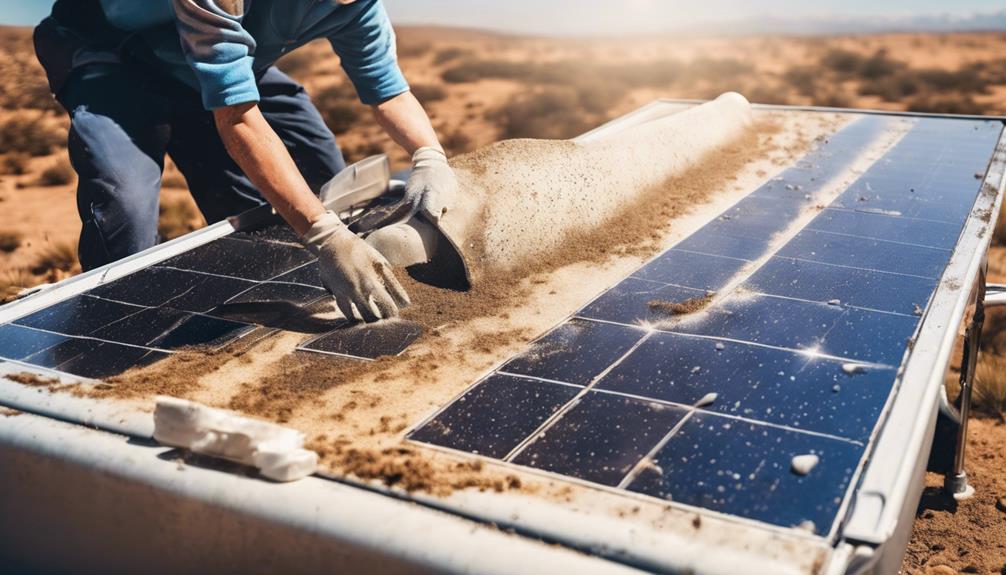
- Keep panels clean and dry; wipe with a soft cloth and mild soap if needed. Avoid abrasives and sharp folds.
- Store batteries within manufacturer temperature specs and never leave large power stations in hot cars for long periods.
- Common mistakes: buying a panel without a battery, undersizing the battery for overnight loads, ignoring shade, assuming rated watts always equal real output, and using incompatible connectors.
- Don’t rely on solar alone for critical medical devices unless you’ve fully tested a redundant setup at home.
Quick FAQ
Can solar panels charge devices in cloudy weather?
Yes, but output is reduced and charging may be much slower. Plan more battery capacity for cloudy trips.
Do I need a battery?
Almost always. Panels don’t store energy. A power bank or portable power station lets you use power at night or during low sun.
How long to charge a power station?
Depends on panel watts, sun-hours, and the station’s MPPT and input limits. Use the panel-watts × sun-hours × efficiency formula for a rough estimate, and expect real-world results to be lower than ideal specs.
Solar for camping can simplify life at camp when sized and set up thoughtfully. Start by estimating daily Wh needs, pick a battery large enough for your overnight loads, and choose panels that match the power-station input and your travel style.